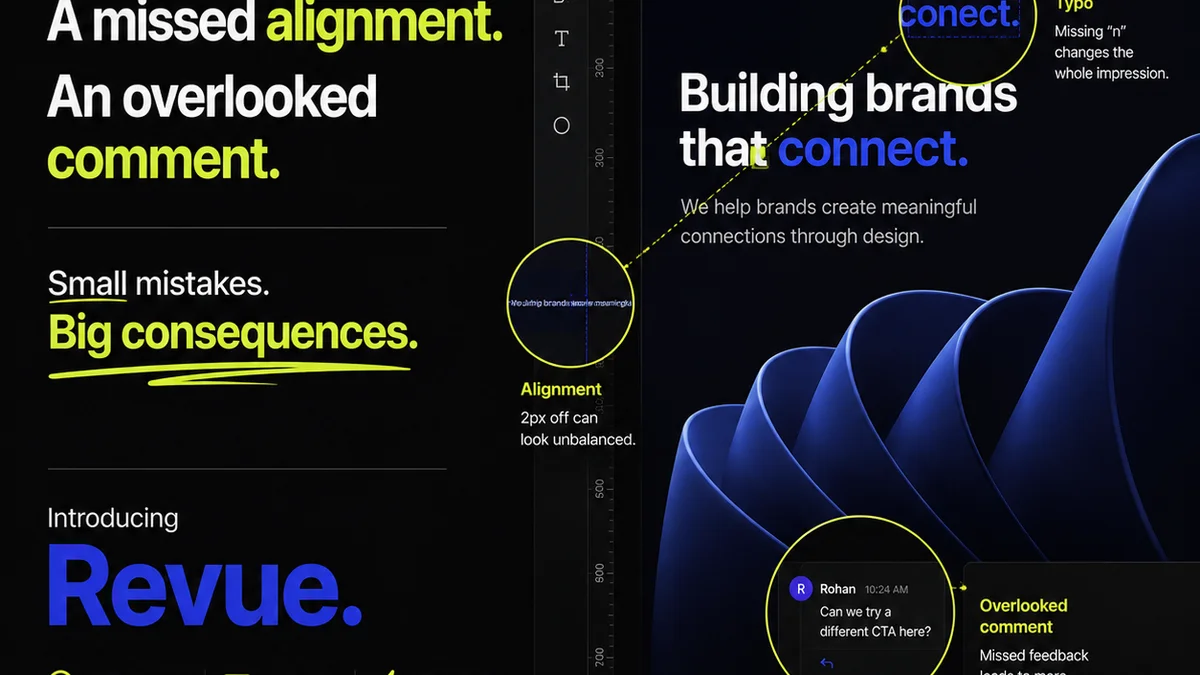
Everyone talks about brand consistency. You hear it in every marketing meeting, every branding workshop. It’s about the logo, the colors, the fonts. Keep them the same everywhere, and boom – instant brand recognition. Right?
None of that is wrong. But it’s incomplete.
The real reason brand consistency is non-negotiable today isn’t just about aesthetics. It’s about trust. And trust, in our hyper-connected, fragmented world, is built on predictability. Predictability in experience, predictability in quality, predictability in how you show up.
The hard truth? Your operational processes are the engine of brand consistency. If your internal workflows are messy, your brand will eventually show it. And clients will notice.
1. The Illusion of Visual Control
Most teams think consistency is a design problem. A checklist of brand guidelines. “Is the logo the right size? Is the color code accurate?”
This visual-first approach is a trap.
It assumes that once the brand guide is done, the job is finished. It overlooks the messy middle: the actual execution of that brand across countless touchpoints, by different people, over time.
Think about it:
- A junior designer applies a campaign graphic slightly off-brand because they weren't clear on the approved variation.
- A copywriter uses a tone that’s too casual for a formal announcement because the brand voice guide wasn't readily available or understood.
- A client makes a minor tweak to an approved asset, and it ripples through future versions, slowly eroding the original intent.
- A new team member is onboarded and gets a watered-down version of the brand standards, leading to subtle deviations.
These aren't failures of design. They are failures of process.
The Real Enemy: Decentralized Feedback
The biggest killer of brand consistency isn't a bad designer; it's scattered, untrackable feedback. When comments live in email threads, Slack channels, or even sticky notes on a monitor, you lose context. You lose accountability. You lose the ability to see the full picture of how a piece of work evolved.
This chaos breeds inconsistency faster than anything else.
2. Consistency as a Signal of Professionalism
In an era where consumers are bombarded with messages, a consistent brand cuts through the noise. But it's more than just being recognizable.
It signals professionalism. It signals reliability. It signals that you have your house in order.
Imagine two agencies pitching for a major account. Agency A delivers a polished, on-brand proposal, but the subsequent website design has slightly off-color buttons and a confusing navigation structure. Agency B’s proposal has a few minor typos, but every subsequent deliverable – from social media posts to email campaigns to the final website – feels like it came from the same, highly competent source. Which agency feels more trustworthy?
The latter, every time.
The Ripple Effect of Small Inconsistencies
It starts small. A slightly different shade of blue on a social media graphic. A tagline that’s almost right but not quite. A tone of voice that wavers between formal and casual within the same email.
These aren't deal-breakers on their own. But they add up.
To a client, these small deviations translate to:
- Lack of attention to detail.
- Poor internal communication.
- A general sense that things are “amateur.”
This perception is incredibly damaging, especially in the agency world where trust and reputation are paramount.
3. Operational Rigor: The Unseen Foundation
True brand consistency isn't about having a beautiful PDF of brand guidelines. It's about embedding those standards into your daily workflow.
This means:
- Clear Ownership: Who is responsible for approving final assets against brand standards?
- Centralized Assets: Where are the latest, approved logos, templates, and imagery stored?
- Standardized Processes: Is there a defined review and approval loop for all creative work?
- Accessible Guidelines: Are brand guidelines easy to find and understand for everyone involved?
When these elements are in place, you build a system that supports consistency, rather than relying on individuals to remember every rule, every time.
The Myth of
Frequently asked questions
What's the difference between visual consistency and operational consistency?
Visual consistency refers to the uniform application of brand elements like logos, colors, and typography. Operational consistency, however, focuses on the underlying processes and systems that ensure these visual standards are met reliably across all projects and touchpoints, regardless of who is executing the work.
How does client feedback impact brand consistency?
Scattered and untrackable client feedback, often buried in emails or chat messages, is a major threat to brand consistency. It leads to misinterpretations, lost context, and deviations from approved standards, slowly eroding the brand's unified appearance and message.
Can a small agency achieve brand consistency?
Absolutely. While larger agencies might have dedicated brand managers, smaller agencies can achieve consistency through clear, documented processes, centralized asset management, and using tools that streamline feedback and approvals. The key is establishing rigorous operational habits from the outset.
What are the first steps to improving brand consistency?
Start by auditing your current workflow. Identify where inconsistencies typically arise – is it in feedback loops, asset storage, or team onboarding? Then, implement a centralized system for feedback and asset management, and create clear, accessible documentation for your brand guidelines and processes.