Everyone talks about brand consistency. Logos must be the right size. Colors need to be exact hex codes. Fonts must be consistent. None of that is wrong. But it’s incomplete.
The hard truth? Brand consistency isn't a design problem. It’s an operational problem. It’s about the messy, unglamorous workflow behind the pretty pixels.
1. The Assumption: Consistency is a Design-Only Discipline
This is where most agencies get it backward. They treat brand consistency as a purely visual exercise. A checklist of do's and don'ts delivered in a brand guideline document.
This document then gets filed away. Or worse, ignored.
The real issue isn't a lack of understanding. It's a lack of integration into the actual day-to-day work.
The Deeper Truth: Consistency is Embedded in Process
True brand consistency lives in your project management, your client communication, and your internal review cycles. It’s not just about the final output; it’s about how you get there.
Think about it:
- Does every team member know where to find the latest brand assets?
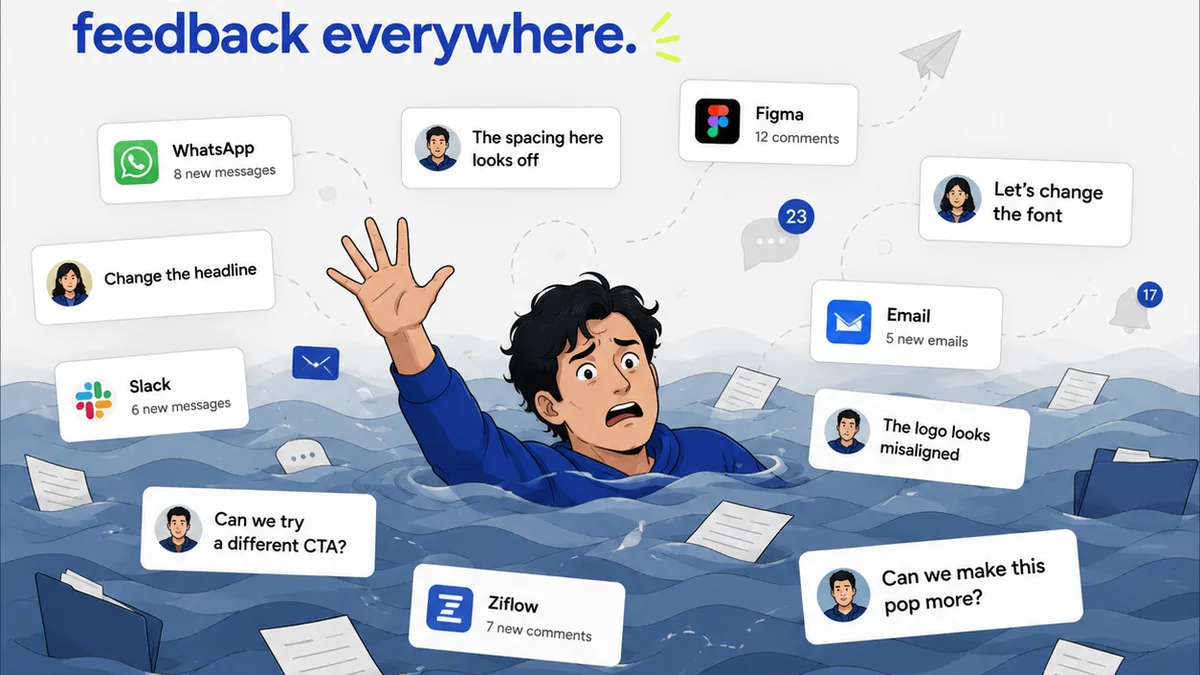
- Is there a clear process for how client feedback is incorporated without breaking brand rules?
- Are approvals tracked transparently so you don't have last-minute
Frequently asked questions
What's the difference between brand identity and brand consistency?
Brand identity is the core visual and verbal elements that define a brand (logo, colors, voice). Brand consistency is the practice of applying these elements uniformly across all touchpoints to create a cohesive and recognizable experience for the audience.
How often should brand guidelines be updated?
Brand guidelines should be reviewed and updated annually, or whenever there's a significant shift in the brand's strategy, offerings, or market position. It's crucial to keep them current with evolving brand needs.
Can a small agency struggle with brand consistency?
Absolutely. Smaller agencies might lack dedicated brand managers or robust processes, making consistency a challenge. Centralizing assets and standardizing workflows are key, regardless of team size.
What are the biggest risks of inconsistent branding?
Inconsistent branding erodes trust, confuses customers, dilutes brand recognition, and can lead to a perception of unprofessionalism. It ultimately weakens the brand's impact and market position.