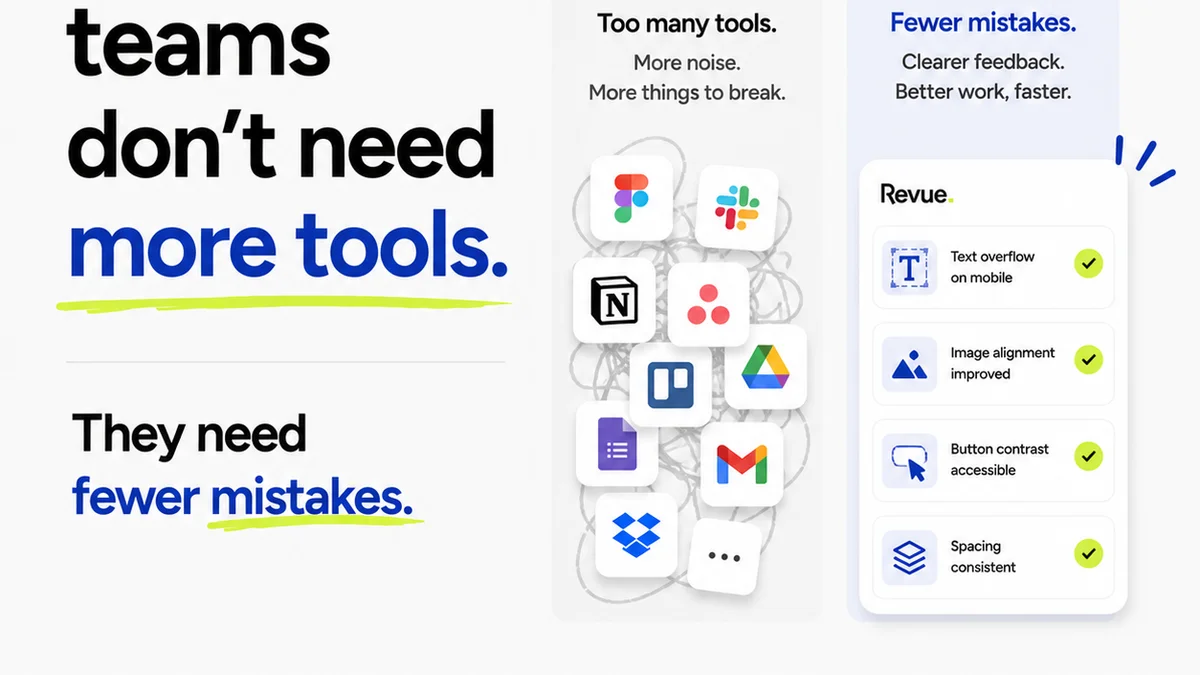
Everyone talks about brand consistency. You need the right logo, the right colors, the right tone of voice. That’s the surface stuff.
But that’s not the hard truth about brand consistency. The real battle is fought in the trenches of daily workflow. It’s about the systems, the processes, and the people.
Most agencies assume consistency is a creative problem. It’s not. It’s an operational one.
1. The Myth of the Single Source of Truth
The biggest mistake? Believing your brand guidelines document lives in a vacuum. It’s a static PDF, right? Everyone has access. Everyone reads it. Everyone follows it.
Wrong.
Brand guidelines are useless if they aren’t integrated into the actual work process. They become an afterthought, a dusty reference manual.
The Reality: Disconnected Tools and Knowledge
- Designers pull assets from disparate folders.
- Copywriters don’t have easy access to the latest brand voice examples.
- Client feedback is scattered across emails, Slack channels, and random documents.
- New team members learn the brand by osmosis, leading to inconsistent interpretations.
This fragmentation is a breeding ground for inconsistency. It’s not about bad intentions; it’s about bad systems.
2. Underestimating the Feedback Loop Chaos
Client feedback is where brand consistency goes to die. Think about it.
A client loves a concept, then a week later, a different stakeholder requests a change that subtly (or not so subtly) alters the brand’s core message or visual identity.
Without a clear, centralized system for managing feedback and revisions, these changes get implemented piecemeal. Each tweak, made in isolation, chips away at the overall consistency.
The Symptoms of Feedback Chaos
- Conflicting feedback from multiple client contacts.
- Approved revisions are later undone or ignored.
- Difficulty tracking the history of changes and approvals.
- Designers and copywriters working off outdated versions of the brief or assets.
- The final deliverable looks nothing like the initial approved concept.
This isn’t a creative failure; it’s a communication and process failure.
3. Treating Revisions as an Afterthought
Revisions are where the real work happens. They’re not just minor tweaks; they’re opportunities to refine and solidify the brand’s presence.
But many agencies treat revisions as a necessary evil, a quick patch-up job.
This leads to rushed work, missed details, and ultimately, a diluted brand experience.
The Revision Rip-Tide
- Lack of clear revision history makes it hard to revert or understand previous states.
- No standardized process for marking up and approving changes.
- Teams don't have visibility into what has been revised and why.
- Endless back-and-forth emails and messages instead of a clear trail.
- The final output doesn't reflect the intended strategic direction due to unchecked iterative changes.
Each unmanaged revision is a potential crack in the brand’s armor.
4. The Illusion of Internal Alignment
You might think your internal team is on the same page. Everyone *says* they understand the brand.
But are they operating from a shared, up-to-date understanding?
Disagreements about brand application are common, even within the same agency.
Internal Friction Points
- Different interpretations of the brand voice by copywriters.
- Designers using slightly different color values or typography weights.
- Marketing and sales teams using outdated collateral.
- Project managers not having a clear overview of brand compliance.
- The client sees inconsistencies that the internal team missed.
This internal disconnect is a direct threat to external brand consistency.
5. Forgetting the Quality Check Endgame
The final quality check is the last line of defense for brand consistency.
Too often, this is a superficial glance before delivery.
The real issue is that inconsistencies are often baked in by this stage, making them hard to spot and even harder to fix without derailing the project timeline.
The QA Gap
- No standardized checklist for brand consistency checks.
- Checks are done too late in the process to easily fix major issues.
- The responsibility for QA is unclear or falls on someone without brand expertise.
- Clients discover inconsistencies post-delivery, damaging trust.
- The agency misses opportunities to deliver a polished, on-brand final product.
A robust quality assurance process is non-negotiable for maintaining brand integrity.
Where Revue Fits In
Brand consistency isn't magic. It's the result of deliberate, well-managed processes.
Revue is built to tackle these operational challenges head-on.
- Centralized Feedback: All client comments, markups, and approvals live in one place. No more hunting through emails or Slack. Everyone sees the same feedback, in context.
- Revision Visibility: Track every change, every iteration, and every approval. Understand the history of a project and ensure everyone is working from the latest version.
- Streamlined Approvals: Get clear sign-offs on creative assets. Reduce ambiguity and ensure alignment before moving forward.
- Quality Assurance: Use clear workflows to ensure all feedback is addressed and revisions meet brand standards before final delivery.
By bringing clarity and control to client feedback and revision management, Revue helps agencies ensure that brand consistency isn't just a document, but a reality in every deliverable.
Final Thought
Are you managing your brand consistency, or is it managing you?
The difference lies in your operational rigor. It’s time to move beyond the static PDF and build systems that actively protect and promote your clients’ brands, project after project.
Frequently asked questions
What's the difference between brand guidelines and brand consistency?
Brand guidelines are the rulebook (logos, colors, voice). Brand consistency is the *result* of effectively applying those guidelines across all touchpoints and projects, which requires robust operational processes, not just the document itself.
How can scattered client feedback harm brand consistency?
When feedback comes from multiple sources via email, chat, or calls, it's easy to miss crucial details, misinterpret requests, or apply conflicting changes. This fragmentation leads to inconsistent execution of the brand's identity and message.
Why are revisions a common source of brand inconsistency?
Revisions are often handled reactively. Without a clear history of changes, version control, and standardized approval processes, iterative edits can unintentionally drift from the original brand strategy, diluting consistency over time.
Can internal team misunderstandings cause brand inconsistency?
Absolutely. If team members have different interpretations of brand voice, visual styles, or application rules, their work will naturally vary. Lack of a shared, accessible, and actively reinforced understanding of brand standards is a major cause of internal inconsistency.