Everyone talks about brand consistency. They point to logos, color palettes, and fonts. Get those right, they say, and you’ve nailed it.
That’s not wrong. But it’s also dangerously incomplete.
The hard truth is that true brand consistency isn't just a visual checklist. It's an operational discipline. It’s baked into your agency’s every process, from initial client brief to final asset delivery.
Miss that, and you're not just risking a wobbly brand identity; you're risking client trust and project profitability.
1. The 'Visuals Only' Fallacy
Most agencies and clients stop at the surface. They develop a style guide and assume the job is done.
This is where the cracks start to form.
A style guide is a map, not the territory. It tells you where to go, but it doesn't guarantee you'll get there.
The real challenges of brand consistency lie in the day-to-day execution. It's about how feedback is gathered, how revisions are managed, and how final assets are approved.
Think about it:
- Does every team member have access to the latest brand guidelines?
- Is there a clear process for ensuring all client feedback aligns with the established brand?
- How are you tracking revisions to ensure they don't deviate from the approved brand direction?
- When multiple stakeholders are involved, how do you prevent conflicting input from diluting the brand?
If these questions don't have immediate, clear answers, you're already in trouble.
2. Misaligned Stakeholder Expectations
Clients often have a fuzzy idea of what 'brand consistency' means for *them*. They want it, but they might not understand the effort involved or the trade-offs.
Your job is to translate that fuzzy desire into concrete, actionable steps.
This means setting expectations early and often.
The Briefing Problem
A weak initial brief is a breeding ground for inconsistency. If the client can't articulate their brand vision clearly, how can you possibly execute it consistently?
The Feedback Loop Chaos
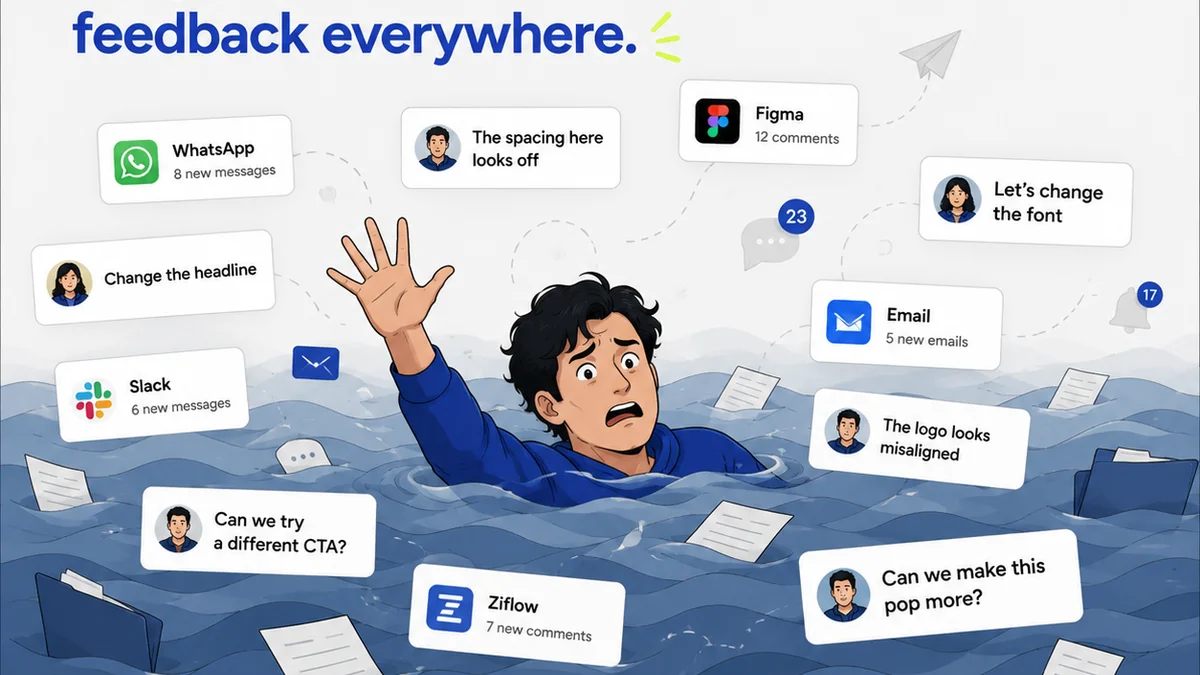
This is the most common culprit. Unstructured, conflicting, or late feedback from multiple client stakeholders is a brand killer. One person loves blue, another hates it. One wants edgy, another wants safe. Without a system, these voices create a cacophony.
Approval Bottlenecks and Compromises
When approvals drag on, pressure mounts. Teams might make small concessions to get a sign-off, eroding consistency bit by bit. These aren't malicious acts; they're the result of workflow friction.
3. Internal Process Breakdowns
Even with the best intentions, internal agency processes can sabotage brand consistency.
Siloed Teams and Information Hoarding
Designers, copywriters, account managers, and strategists need to be on the same page. If brand guidelines are only in one department's drive, or if crucial context is lost in email chains, consistency suffers.
Lack of Version Control
How do you know which is the *latest* approved logo or copy? Without a single source of truth, versions get mixed up, leading to outdated assets being used.
Inadequate Training and Onboarding
New hires, or even existing team members who haven't worked on a specific brand, need clear guidance. Relying on tribal knowledge is a recipe for inconsistency.
4. The 'Good Enough' Trap
In the rush to meet deadlines, it's easy to let standards slip. A slightly off-color logo here, a minor copy deviation there.
These aren't minor errors; they're death by a thousand cuts.
The Cost of Rework
Fixing inconsistencies after the fact is always more expensive than getting it right the first time. This eats into your margins and client satisfaction.
Erosion of Trust
When a brand's presentation is sloppy, clients start to question the agency's competence. This isn't just about the creative output; it reflects on the entire service.
Missed Opportunities
A strong, consistent brand builds recognition and loyalty. Inconsistency weakens that, making it harder for the client's message to cut through the noise.
5. Neglecting Digital Touchpoints
In today's world, a brand lives across countless digital platforms. Consistency needs to extend beyond print and static web pages.
Website and App UX/UI
Is the user experience consistent across all digital products? Do the colors, typography, and tone of voice align with the overall brand strategy?
Social Media Presence
Each social post is a brand interaction. Are the visuals, messaging, and engagement style consistent with the established brand voice?
Email Marketing
Templates, tone, and imagery in emails must reflect the brand. A sudden shift in style can be jarring for subscribers.
Accessibility Standards
True consistency includes accessibility. A brand that isn't accessible to all users isn't truly consistent in its reach or impact. Adhering to guidelines like those from the Web Content Accessibility Guidelines (WCAG) is paramount.
Where Revue Fits In
You can have the best brand guidelines in the world, but if your workflow is chaotic, they're useless.
This is where a centralized feedback and approval platform becomes critical.
Revue helps you:
- Centralize Client Feedback: Gather all comments, annotations, and approvals in one place, linked directly to the creative asset. No more scattered email threads or missed messages.
- Streamline Revisions: Track every change, understand the context behind it, and ensure revisions align with the approved brand direction. Version control is built-in.
- Gain Visibility: See who has reviewed, who needs to review, and what feedback has been actioned. This transparency prevents miscommunication and ensures accountability.
- Maintain Quality Checks: Use the platform to run through your brand consistency checklist before final delivery. Ensure logos, colors, copy, and messaging are all on point.
By bringing order to the feedback and revision process, Revue ensures that the execution matches the strategic intent, preserving brand integrity from concept to completion.
Final Thought
Brand consistency isn't a design problem; it's a workflow problem.
Are you treating it like a checklist, or are you building it into the very fabric of how your agency operates?
Frequently asked questions
What is the most common mistake agencies make regarding brand consistency?
The most common mistake is treating brand consistency as purely a visual design issue (logos, colors, fonts) rather than an operational one. This leads to neglecting the crucial processes of feedback, revision, and approval, which are the real battlegrounds for maintaining brand integrity.
How does unclear client feedback impact brand consistency?
Unclear, conflicting, or unstructured feedback from multiple client stakeholders can lead to deviations from the established brand direction. Without a system to manage and reconcile this input, the final output often becomes a diluted or inconsistent representation of the brand.
Can internal agency processes cause brand inconsistency?
Absolutely. Siloed teams, poor version control, lack of access to up-to-date brand guidelines, and inadequate training can all lead to inconsistencies. When information isn't shared effectively or processes are not standardized, different team members may work from outdated or incorrect brand assets and rules.
How important are digital touchpoints for brand consistency?
Extremely important. In today's digital-first world, brands exist across websites, apps, social media, and email. Consistency across all these touchpoints, including user experience, messaging, and visual elements, is vital for building a strong and unified brand perception. Neglecting digital consistency can undermine the entire brand effort.
How can a platform like Revue help improve brand consistency?
Revue centralizes client feedback, streamlines revisions, and provides visibility into the entire approval process. By creating a single source of truth for feedback and changes, it prevents miscommunication, ensures accountability, and helps teams adhere to brand guidelines throughout the project lifecycle, thereby maintaining consistency.