Everyone thinks brand consistency is about slapping the right logo on everything and using the correct hex codes. That’s the easy part. It’s the foundation, sure, but it’s not the whole building.
The real challenge, the one that trips up even seasoned agencies, is operationalizing consistency across every touchpoint, every team, and every client interaction. This isn’t about aesthetics; it’s about process. And that’s where most brand consistency mistakes in 2026 are born.
1. Over-reliance on Brand Guidelines Documents
The comprehensive brand guidelines document is a relic. Beautifully designed, meticulously detailed, and utterly ignored. It sits on a server, a digital tombstone for good intentions.
Why? Because static documents are static. They don't adapt to real-time feedback, evolving client needs, or the messy reality of creative production.
Think about it: How often does a junior designer actually *read* the 200-page PDF before starting a social media graphic? How often does a client, overwhelmed by a 50-slide deck, retain the nuances of tone of voice?
The problem isn't the content of the guidelines; it's the delivery mechanism. It's a one-way broadcast in a two-way conversation.
The Hard Truth: Guidelines Are Useless Without Integration
Brand guidelines only work when they are alive, accessible, and integrated into the daily workflow. They need to be the easy, obvious choice, not a document to be hunted down and deciphered.
Symptoms of a Stale Guidelines Problem:
- Inconsistent social media visuals.
- Varying tones of voice across different marketing channels.
- Client teams misinterpreting brand direction.
- Internal teams recreating assets from scratch because they can't find the right one.
- Endless back-and-forth emails asking for clarification on minor brand elements.
2. Underestimating the Power of Internal Alignment
You’ve got your client presentation nailed. The brand strategy is locked. The visual identity is perfect. Everyone in the room agrees. Great.
Now, what about the 15 people on the client’s marketing team who weren’t in that room? What about the agency’s new junior copywriter, or the freelance illustrator you just onboarded?
This is where brand consistency crumbles. Lack of internal alignment means everyone is working from a slightly different playbook, or worse, no playbook at all.
It’s a cascading problem. One person misunderstands. They create something slightly off-brand. Someone else sees it, assumes it’s correct, and follows suit. Before you know it, the brand’s voice is a cacophony.
The Hard Truth: Consistency Starts Inside
A brand is only as consistent as the people who bring it to life. If your internal teams and external partners aren't singing from the same hymn sheet, the client’s brand will inevitably drift.
Common Internal Alignment Breakdowns:
- Onboarding processes that don't deeply embed brand understanding.
- Lack of a single source of truth for brand assets and messaging.
- Siloed teams (creative, copy, strategy, account) with different interpretations of brand rules.
- Insufficient training or refreshers on brand standards.
- Client-side teams operating independently without agency oversight.
3. Treating Feedback as an Afterthought
Client feedback is the engine of creative work. It’s also a major choke point for brand consistency. If feedback is handled poorly, it can derail even the best-laid brand plans.
Think about the classic email chain. A client sends a long, rambling email with subjective comments: “Make it pop more.” “I don’t love this blue.” “Can we try something different here?”
These comments are often vague, contradictory, and lack context. The agency team then spends hours deciphering them, making educated guesses, and hoping for the best.
This isn’t collaboration; it’s guesswork. And guesswork is the enemy of consistency.
The Hard Truth: Feedback Needs Structure to Be Useful
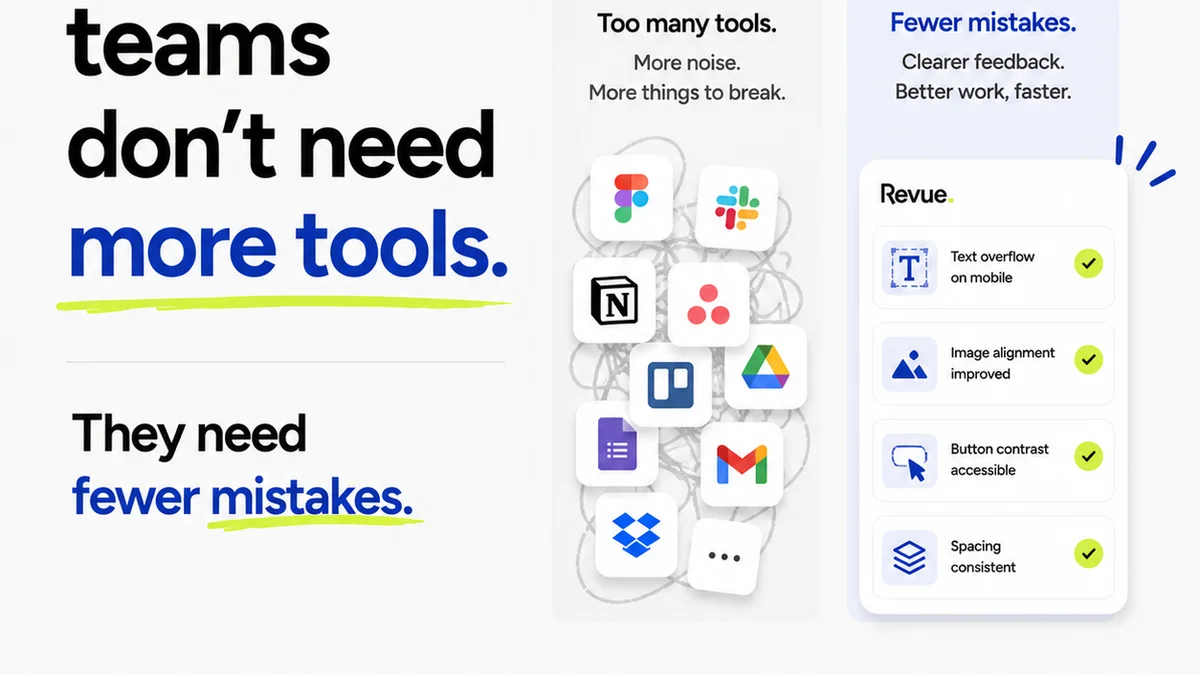
Unstructured, subjective feedback is a breeding ground for inconsistency. You need a system that captures clear, actionable comments tied directly to the work being reviewed.
The Perils of Poor Feedback Loops:
- Misinterpretation of client requests leading to off-brand revisions.
- Subjective opinions overriding strategic brand direction.
- Endless revision cycles because the core issue wasn't understood.
- Frustration on both the agency and client side.
- Missed deadlines due to time wasted on clarifying feedback.
4. Ignoring the
Frequently asked questions
What is the biggest mistake agencies make regarding brand consistency?
The biggest mistake is treating brand consistency as purely a visual design issue. True consistency is operational, embedded in workflows, communication, and how feedback is managed across all touchpoints.
How can agencies ensure internal brand alignment?
Internal alignment requires a single source of truth for brand assets and messaging, robust onboarding, ongoing training, and clear communication channels. Everyone on the team, and external partners, must understand and have easy access to brand guidelines and standards.
Why are static brand guideline documents often ineffective?
Static documents are rarely accessed, easily become outdated, and don't integrate into the dynamic workflow of creative production. They become a reference point rather than an active tool.
How does client feedback impact brand consistency?
Vague, unstructured, or subjective client feedback can easily lead to off-brand revisions. A structured feedback process that captures clear, actionable comments tied to specific elements is crucial for maintaining consistency.