Everyone agrees brand consistency is vital. It builds trust, recognition, and loyalty. Agencies and creative teams work hard to nail it.
But most approaches are surface-level. They focus on the visible elements – the logo, the color palette, the typography.
None of that is wrong. But it’s incomplete.
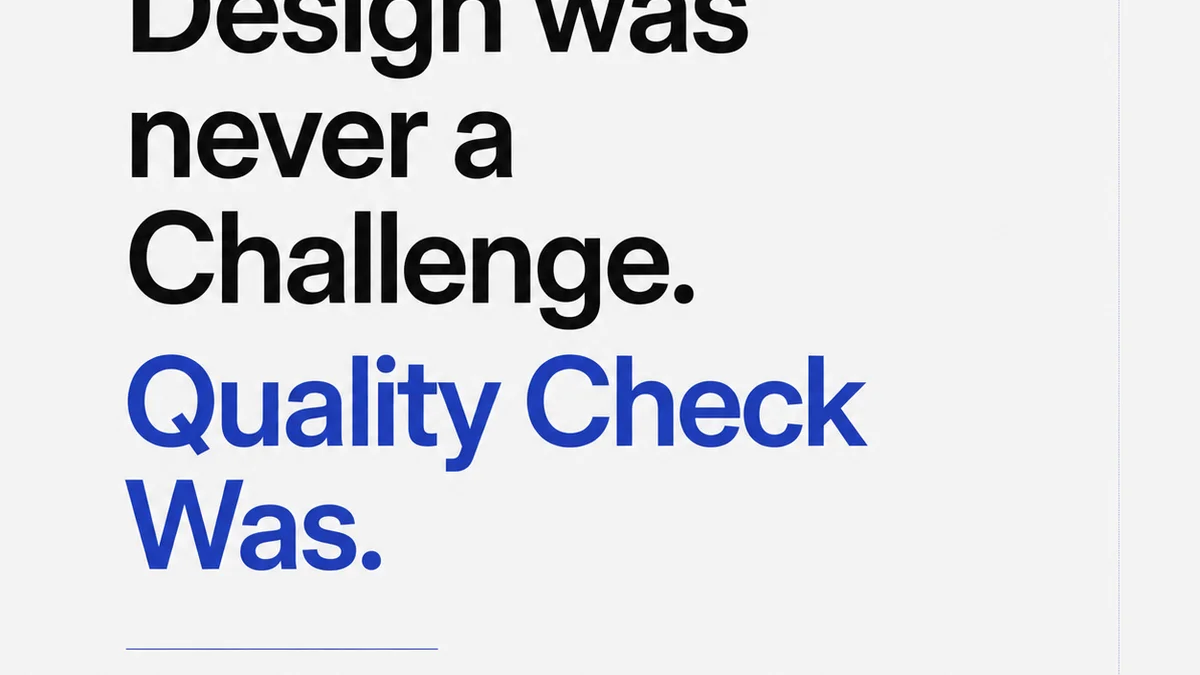
The hard truth? True brand consistency isn't a design problem. It’s an operational one.
1. The 'One-Off' Project Mentality
Many agencies treat each project as a discrete task. A campaign here, a website there. The brand guidelines are consulted, then filed away until the next brief.
This leads to subtle drift. Each touchpoint, while perhaps individually correct, doesn't quite align with the last. Over time, the brand’s voice, tone, and visual language begin to fray.
It’s like a game of telephone. The message gets distorted with each iteration.
Symptoms of the 'One-Off' Mentality:
- Inconsistent tone of voice across different deliverables (e.g., a playful social ad versus a formal report).
- Visual elements that are technically compliant but feel slightly 'off' in context.
- Lack of a central, easily accessible repository for brand assets and rules.
- Team members frequently asking
Frequently asked questions
What is the most common brand consistency mistake?
The most common mistake is treating brand consistency as purely a visual design issue, neglecting the operational processes that ensure consistent application across all touchpoints and team members.
How can agencies ensure brand consistency with multiple clients?
Agencies can ensure consistency by establishing clear, accessible brand guidelines, centralizing all brand assets, and implementing a standardized feedback and approval process that flags deviations early.
Does brand consistency only apply to visual elements?
No, brand consistency extends beyond visuals to include tone of voice, messaging, customer service interactions, and overall brand experience. All these elements must align with the brand's core identity.
How can technology help maintain brand consistency?
Tools for centralized asset management, version control, and streamlined feedback/approval workflows can significantly improve brand consistency by reducing errors and ensuring everyone works with the latest, approved materials.