Enterprise teams think brand consistency is a given. They have brand guidelines, a marketing department, and a stable of approved agencies. Easy, right?
None of that is wrong. But it’s incomplete.
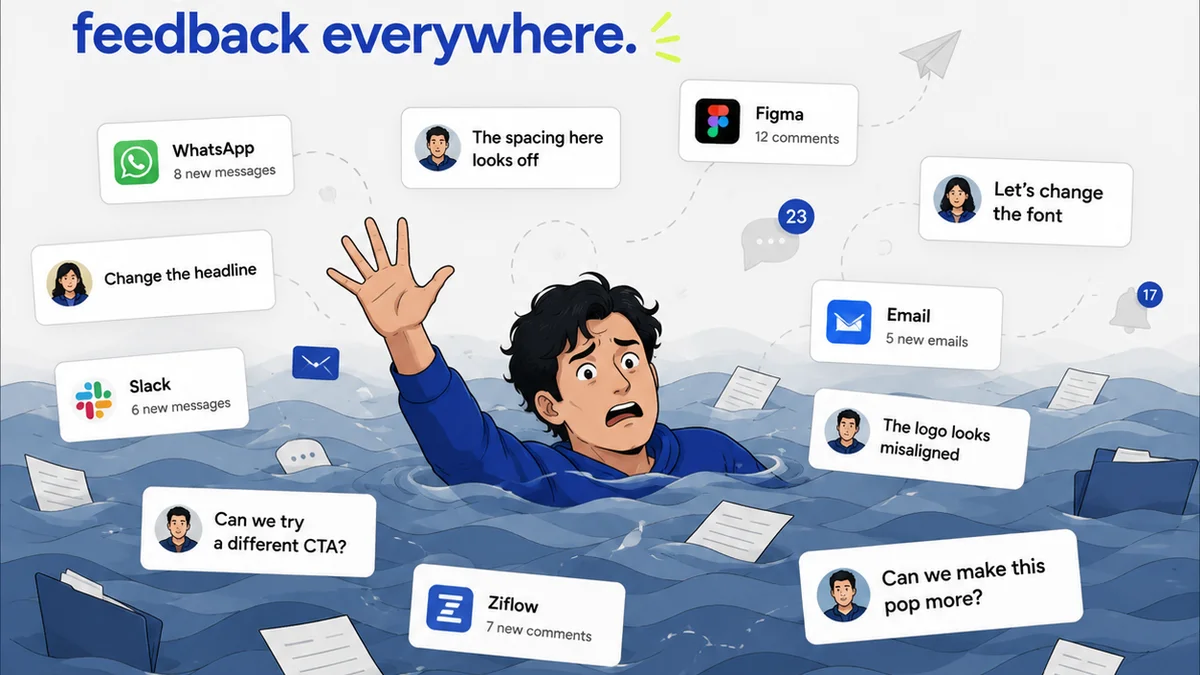
The hard truth? Brand consistency for enterprise teams isn't a creative problem; it's an operational one. It breaks down not in the design studio, but in the messy middle of large-scale collaboration, approvals, and distributed teams.
1. The "Single Source of Truth" Myth
Everyone talks about a single source of truth for brand assets. Sounds simple. But for enterprise teams, this often becomes a graveyard of outdated logos, misnamed files, and guidelines that live on a forgotten SharePoint site.
The reality is, multiple
Frequently asked questions
What's the biggest difference between brand consistency challenges for small vs. enterprise teams?
For small teams, it's often about a lack of resources or clear guidelines. For enterprise teams, it's the sheer scale of distribution, collaboration, and complex approval chains that create operational friction, even with good guidelines.
How can enterprise teams ensure their brand guidelines are actually used?
Guidelines need to be accessible, digestible, and integrated into workflow tools. Static PDFs get ignored. Dynamic, searchable, and context-aware resources within the tools teams use daily are far more effective.
Is it possible to have too many brand assets?
Yes. An overwhelming library of assets, especially if poorly organized or versioned, can lead to confusion and the use of incorrect or outdated materials. Pruning and clear version control are crucial.
What role does technology play in maintaining brand consistency at scale?
Technology is critical. Centralized platforms for asset management, feedback consolidation, and workflow automation reduce errors, ensure everyone is using the latest versions, and streamline approvals, all vital for enterprise consistency.