Everyone assumes brand consistency is about a checklist: Is the logo in the right place? Are the colors correct? Is the typography on point? None of that is wrong. But it’s incomplete.
The hard truth is that true brand consistency QA in 2026 isn't just about adherence to a style guide. It’s about managing the chaos of client collaboration and ensuring that every touchpoint, across every revision, stays on-brand amidst the noise.
1. The Myth of the Static Brand Guide
The traditional brand guide is dead. Or at least, it’s dying a slow, painful death.
We treat these documents like sacred texts, immutable laws handed down from on high. But the reality of agency work is fluid. Clients change their minds. Market conditions shift. New platforms emerge.
A brand guide is a starting point, not an endpoint. Relying solely on a static document for consistency checks is like trying to navigate a storm with a map from last century.
The Real Problem: Evolving Brand Interpretation
Clients often don't fully grasp the nuances of their own brand. They approve things that dilute it, then push back on things that strengthen it, all in the name of subjective 'feeling right'.
This creates a constant tension:
- Internal teams understand the brand strategy.
- Clients understand their business goals, but not always brand strategy implications.
- External stakeholders (partners, vendors) have varying levels of brand understanding.
Your QA process needs to bridge these gaps, not just police basic visual elements.
2. The Feedback Labyrinth: Where Consistency Goes to Die
This is where most agencies lose the battle for brand consistency. It’s not in the initial design. It’s in the feedback loop.
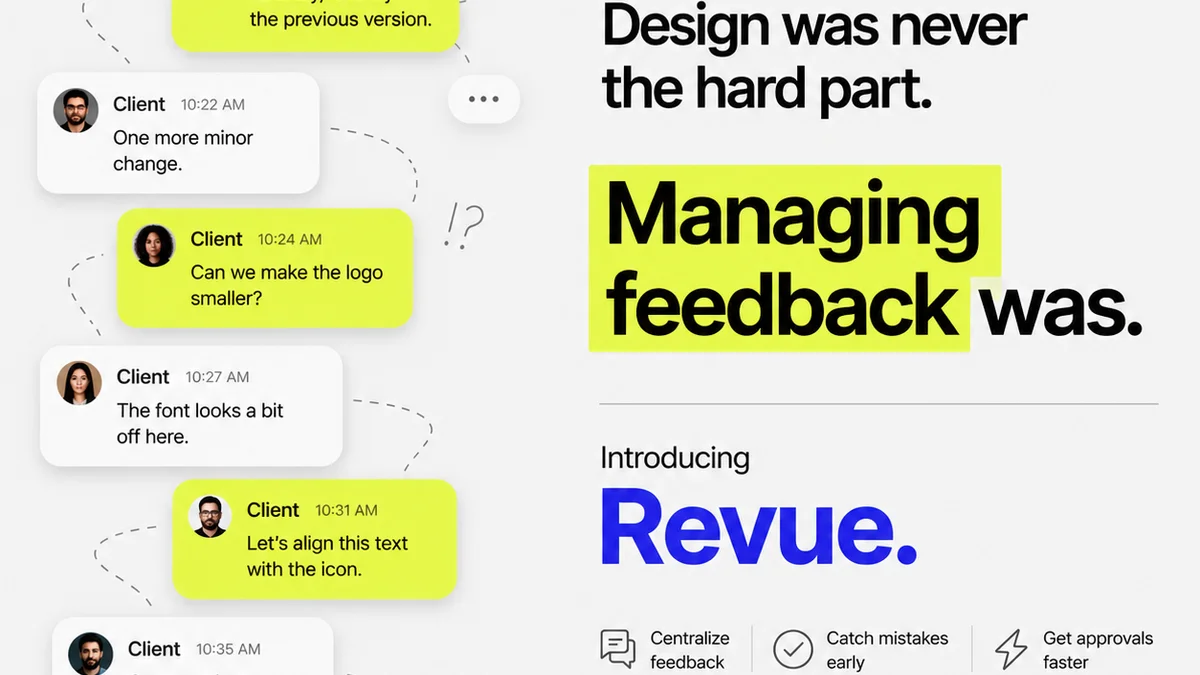
Client feedback is rarely clear, concise, or consistent. It comes in waves, often contradictory, and usually buried in email threads, Slack messages, or even verbal conversations.
You get comments like:
- “Make it pop more.”
- “I don’t like that blue, it feels… off.”
- “Can we try something a bit more… premium?”
- “My boss said X, but I think Y.”
Trying to track which feedback was incorporated, which was superseded, and which fundamentally altered the brand's direction is a nightmare.
The Cascading Effect of Vague Feedback
One vague comment about a color can cascade into a complete UI overhaul. A request to 'simplify' can strip away crucial brand elements. Without a clear system, these changes are often implemented without a second thought about their impact on the overall brand integrity.
This leads to:
- Inconsistent messaging across different assets.
- Visual elements that clash with the core brand identity.
- A diluted, muddled brand perception in the market.
Your QA process must account for the *source* and *impact* of feedback, not just the resulting change.
3. Revision Hell: The Ultimate Consistency Killer
Every agency owner and creative director knows the pain. Endless rounds of revisions, each one chipping away at the original vision and, often, the brand's core.
The longer a project drags on, the harder it is to maintain consistency. Details get missed. Shortcuts are taken. The original strategic intent gets lost in the weeds of tweaking and tweaking again.
This isn't just about client frustration; it's a direct threat to brand integrity.
The Cost of
Frequently asked questions
What are the biggest challenges in brand consistency QA for agencies?
The biggest challenges are managing vague and contradictory client feedback, tracking changes across endless revision cycles, ensuring all team members and stakeholders understand and apply brand guidelines consistently, and adapting to evolving brand interpretation without losing core identity.
How can agencies improve brand consistency in the face of client revisions?
Agencies can improve consistency by establishing clear communication protocols for feedback, using a centralized platform to track all comments and approvals, conducting regular brand alignment meetings with clients, and empowering a dedicated brand guardian within the agency to oversee all creative output.
Is a static brand guide enough for modern brand consistency?
No, a static brand guide is insufficient. While essential, it must be a living document supported by dynamic processes for interpretation, application, and ongoing adaptation. Consistency today requires managing the human element of collaboration and feedback, not just adherence to fixed rules.
How does technology help with brand consistency QA?
Technology, like centralized feedback and approval platforms, helps by providing a single source of truth for all project communication and asset versions. This reduces miscommunication, ensures all feedback is documented and addressed, and offers clear visibility into the revision history, thereby streamlining the QA process and maintaining brand integrity.