Creative Directors, you think brand consistency QA is about spotting pixel-perfect errors. You assume it’s about catching typos, misaligned logos, or the wrong shade of blue. None of that is wrong. But it’s incomplete.
The hard truth? True brand consistency QA is a workflow problem, not a checklist of visual defects. It’s about the systems and processes that *prevent* those errors from happening in the first place.
1. Beyond the Surface: What Brand Consistency Really Means
Most agencies define brand consistency by the final output. Is the logo correct? Is the typography on point? Are the colors right?
This is a reactive approach. It’s like a doctor only treating symptoms. You’re constantly putting out fires.
The Real Cost of Inconsistency
Brand inconsistency erodes trust. It makes your client’s business look sloppy, unprofessional, and unreliable. Internally, it leads to:
- Wasted time correcting mistakes.
- Frustration for designers and account managers.
- Damaged client relationships.
- A diluted brand message.
This isn’t just about aesthetics. It’s about business impact.
2. The Root Causes: Why Inconsistency Creeps In
Inconsistency isn’t usually a deliberate act of rebellion by a junior designer. It’s a symptom of broken processes.
Siloed Communication
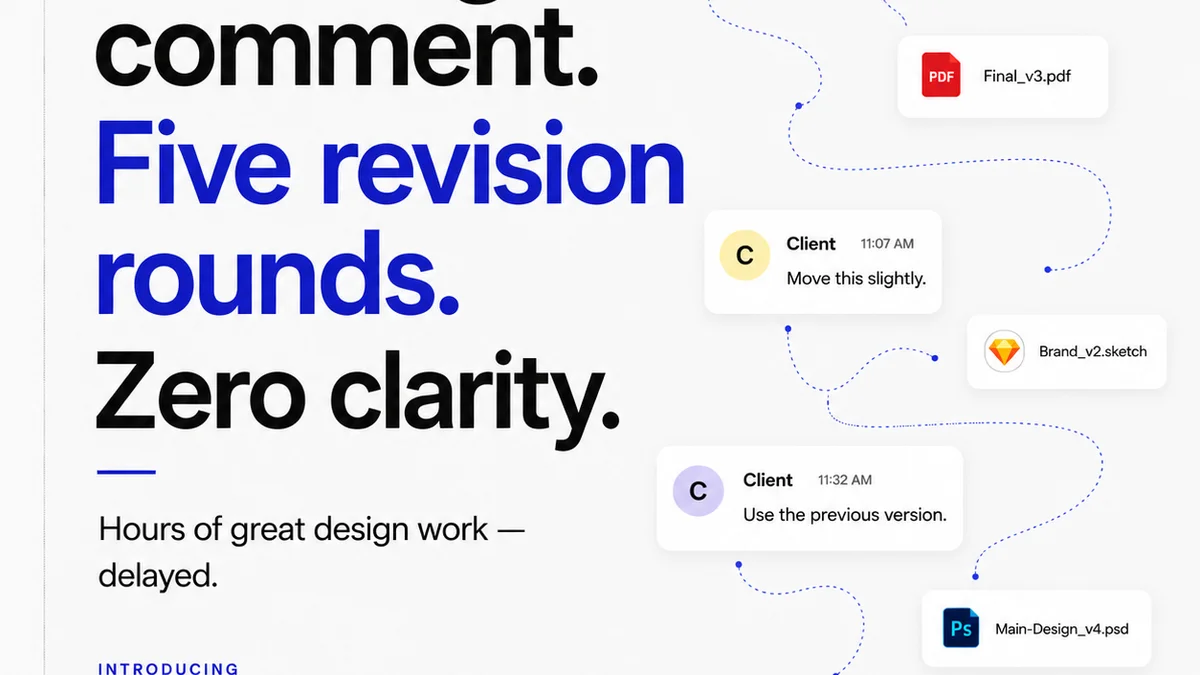
When feedback is scattered across emails, Slack threads, and random calls, context gets lost. Different team members might get different versions of the brief or the client’s latest thoughts.
This is a breeding ground for errors. No one has the single source of truth.
Lack of Centralized Assets
Where is the latest brand guide? Is that the correct logo file? Which version of the color palette should be used?
If designers are hunting for assets or using outdated versions, mistakes are inevitable. A disorganized asset library means inconsistent application.
Unclear Approval Workflows
When the approval process is vague, who signs off on what? Is there a clear point person for final checks?
Ambiguity leads to rushed decisions and overlooked details. The pressure to move fast can bypass critical quality checks.
Limited Visibility into Revisions
If you can’t easily see the history of changes and feedback, it’s hard to track how a design evolved. Did a key element get changed accidentally during a revision round?
Without a clear audit trail, you’re flying blind.
3. Proactive QA: Building Consistency into Your Process
Shift your focus from *finding* errors to *preventing* them. This means embedding brand guidelines and quality checks throughout the workflow.
Establish a Single Source of Truth
Your brand guidelines need to be accessible, comprehensive, and the definitive reference for everyone. This includes:
- Logo usage (clear space, minimum size, variations)
- Color palettes (primary, secondary, tints, shades)
- Typography (font families, weights, sizes, hierarchy)
- Imagery style (photography, illustration, tone)
- Voice and tone guidelines
Make this accessible to all team members, not just designers.
Centralize Feedback and Revisions
This is where the rubber meets the road. Feedback should be collected in one place, tied directly to the creative asset.
When feedback is consolidated, everyone sees the same comments, the same versions, and the same approval status. This drastically reduces misinterpretations and missed instructions.
Implement Version Control
Every iteration of a creative asset needs to be tracked. This ensures that the team is always working from the most recent approved version and that past versions are archived but accessible.
Knowing which version is the
Frequently asked questions
What is the difference between brand consistency and brand identity?
Brand identity is the overall perception of your brand, encompassing its values, mission, and personality. Brand consistency is the practice of ensuring that all touchpoints and communications consistently reflect that identity across all channels and over time.
How can a creative director improve brand consistency QA?
Creative directors can improve QA by implementing centralized feedback tools, establishing clear brand guidelines, ensuring asset accessibility, and training teams on consistent application. Focusing on workflow over purely visual checks is key.
What are the most common brand consistency mistakes?
Common mistakes include using outdated logos, incorrect color palettes, inconsistent typography, mixed messaging in tone of voice, and applying branding elements in ways not specified in the guidelines. These often stem from process gaps.
How often should brand guidelines be updated?
Brand guidelines should be reviewed and updated periodically, typically annually or when there's a significant brand refresh or strategic shift. However, minor updates to assets or clarifications can occur as needed.