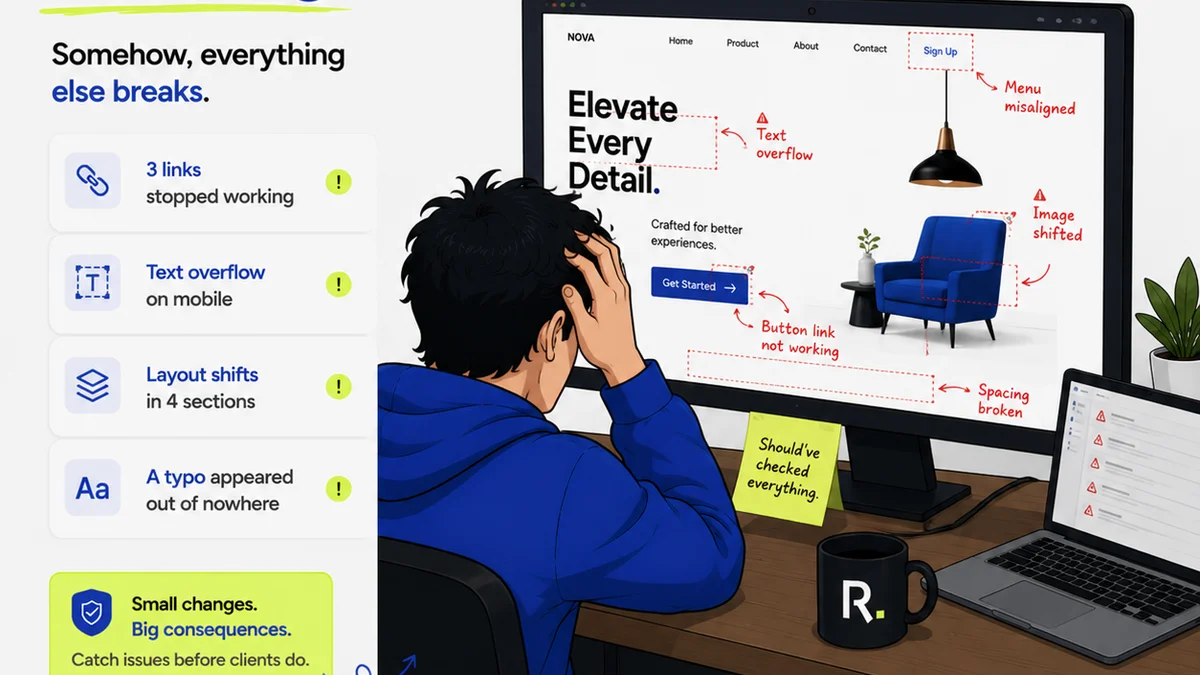
Growing companies assume brand governance is a checklist. A binder full of logos, fonts, and color palettes. Keep it neat, keep it consistent, and you’re golden.
None of that is wrong. But it’s incomplete.
The real truth is that brand governance isn’t just about *looking* right. It’s about *working* right.
It’s the operational scaffolding that supports consistent delivery, scales your output, and prevents the chaos that inevitably creeps in as you grow.
1. The Myth of 'Brand Police'
Most leaders think brand governance means hiring a stern guardian to enforce rules. Someone who’ll send back every piece of collateral that dares to use a slightly off-brand shade of blue.
This approach is doomed.
It creates bottlenecks. It breeds resentment. And it completely misses the point.
Brand governance is not about policing. It’s about empowering.
It’s about building systems that make the *right* choice the *easy* choice for everyone on your team, from the newest designer to the sales rep sending a proposal.
The Real Goal: Seamless Execution
When brand governance is done right, it’s invisible. It’s baked into your workflows.
Consider the alternative:
- Endless back-and-forth on minor visual details.
- Inconsistent client experiences across touchpoints.
- Wasted time and resources correcting avoidable errors.
- A diluted brand message that fails to resonate.
This isn't just about aesthetics; it's about efficiency and impact. It’s about ensuring every interaction with your brand reinforces your value, not detracts from it.
2. Building Your Operational Framework
Forget the dusty rulebook. Start with how your team actually works.
Think of brand governance as the operating system for your brand's output.
Define Your Core Assets
This is the obvious part, but get it right.
- Logo Variations: Primary, secondary, icon, monochrome. When to use each.
- Color Palette: Primary, secondary, accent colors. Define HEX, RGB, CMYK values. Specify usage ratios.
- Typography: Primary and secondary fonts. Hierarchy rules for headings, body copy, captions. Web vs. print variations.
- Imagery Style: Photography guidelines, illustration style, tone.
- Voice & Tone: Brand personality, key messaging, do's and don'ts.
Keep it concise. Too much detail becomes overwhelming and ignored.
Establish Clear Workflows
This is where the magic happens.
How does a new asset get created? Who reviews it? Who approves it? When does it go live?
Map out the journey for common assets:
- Marketing collateral (brochures, social posts)
- Sales materials (presentations, proposals)
- Website content
- Product UI/UX
- Internal communications
Document these processes. Make them accessible. Train your team.
Implement Smart Templating
Templates are your secret weapon.
They bake in brand consistency by default.
- Presentation decks
- Social media graphics
- Email signatures
- Proposal documents
- Reports
When a template is well-designed and easy to use, people will use it. It saves them time and guarantees compliance.
3. Feedback Loops and Iteration
Brand governance isn't static. It needs to evolve.
As your company grows, your brand needs will change.
Your governance framework needs to adapt.
Centralize Feedback
Where does feedback on brand assets live now? Scattered across emails? Slack threads? Random documents?
This is a recipe for disaster. Key comments get lost. Revisions are missed. The same mistakes get repeated.
You need a single source of truth for all brand-related feedback and approvals.
This isn't about micromanagement; it's about clarity.
Track Revisions Visibly
When a designer makes a change based on feedback, how is that tracked?
Who signed off on the *final* version?
Lack of visibility here leads to confusion, duplicated effort, and the dreaded
Frequently asked questions
What is the main difference between brand guidelines and brand governance?
Brand guidelines are the 'what' – the rules about logos, colors, and fonts. Brand governance is the 'how' – the systems, workflows, and processes that ensure those guidelines are consistently applied across the organization as it grows.
How can a growing company implement brand governance without slowing down?
Focus on making the right choices easy. Use templates, create clear and accessible resources, and implement streamlined feedback and approval workflows. Automate where possible.
Who is responsible for brand governance in a company?
While a brand manager or marketing lead often oversees it, brand governance is a shared responsibility. It requires buy-in and adherence from design, marketing, sales, product, and anyone else creating or using brand assets.
What are the biggest risks of poor brand governance for a growing company?
Inconsistent customer experiences, diluted brand message, wasted resources on revisions, brand confusion in the market, and difficulty scaling creative output effectively.