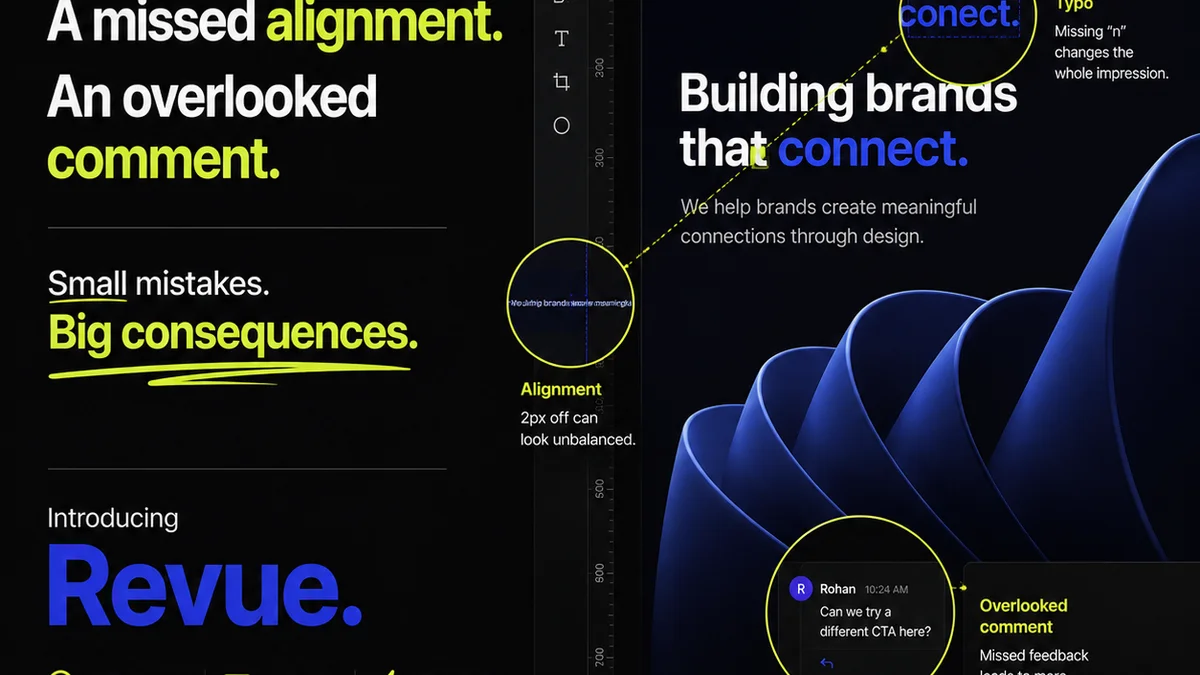
You probably think brand governance is all about the style guide. The Pantone codes, the logo usage rules, the approved fonts. And that’s not wrong.
But it’s incomplete.
The hard truth? A beautiful PDF is useless if it’s ignored, misunderstood, or impossible to implement across a busy creative team and a demanding client roster.
True brand governance isn't a document; it's a system. It’s about embedding brand integrity into the daily workflow, not just tacking it on as an afterthought.
1. The Myth of the Self-Sufficient Creative
There’s an assumption that great creatives inherently *get* brand. That they’ll intuitively understand the nuances, remember the rules, and always apply them perfectly. This is a dangerous myth.
Creatives are focused on solving problems. On generating ideas. On execution.
Brand guidelines are often seen as constraints. Necessary, perhaps, but a hurdle to overcome rather than a framework to build within.
This isn’t a failing of the creative. It’s a failing of the system that expects them to be brand custodians by osmosis.
The Reality of Day-to-Day Production
- Tight deadlines mean quick decisions.
- Multiple projects mean context switching.
- Diverse skill sets mean varying levels of brand understanding.
- Client demands can push boundaries.
Expecting creatives to constantly police themselves against a static document, while juggling all of this, is a recipe for inconsistency.
2. From Guidelines to Governance: The Operational Shift
Governance is about the *process* of maintaining brand integrity, not just the *rules*. It’s about making adherence easy and deviation difficult.
Think of it like traffic laws. The rules are there, but the governance is in the road design, the signage, the enforcement, and the driver education.
For brands, this means building systems that:
- Make brand assets easily accessible.
- Provide clear, contextual guidance.
- Facilitate easy review and approval.
- Create accountability.
It's about shifting from
Frequently asked questions
What's the difference between brand guidelines and brand governance?
Brand guidelines are the rules and assets (logo, colors, fonts). Brand governance is the system and processes put in place to ensure those guidelines are consistently followed across all outputs and teams.
Why do creative teams struggle with brand consistency?
Tight deadlines, constant context switching between projects, varying levels of brand understanding, and client pressure can all lead to inconsistencies, even with the best intentions.
How can a creative leader improve brand governance?
Focus on building systems that make brand assets accessible, provide contextual guidance, streamline review processes, and foster accountability. Centralize feedback and approvals.
Is brand governance only for large organizations?
No. While large enterprises might have dedicated brand managers, effective brand governance is crucial for agencies and smaller creative teams to maintain quality, efficiency, and client trust.