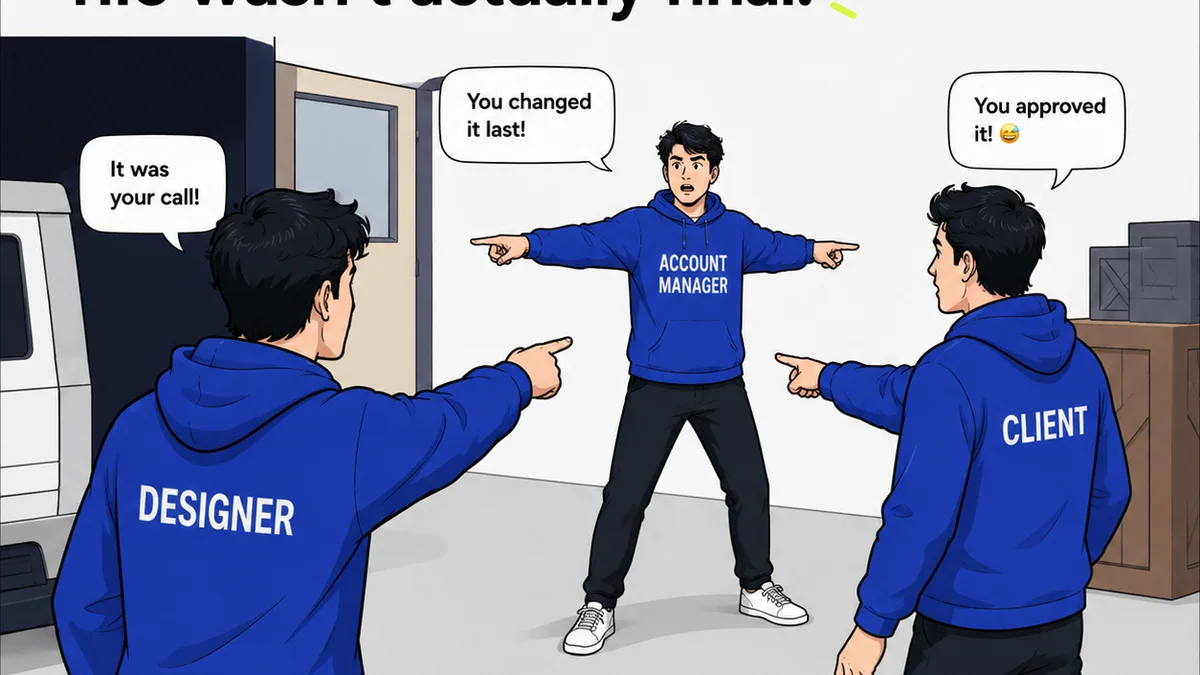
Most enterprise creative teams assume brand governance is simply about enforcing a style guide. You know, the thick PDF that dictates fonts, colors, and logo usage. None of that is wrong. But it’s incomplete.
The real challenge for enterprise creative teams isn’t just *what* the brand looks like, but *how* that look and feel consistently gets applied across an enormous volume of work, with hundreds of people touching it. That’s where operational rigor, not just aesthetic rules, becomes paramount.
1. The Illusion of Control: Why Style Guides Aren’t Enough
A style guide is a reference document. It’s a dictionary. It tells you what the words are. It doesn’t tell you how to write a novel.
Enterprise creative departments are complex ecosystems. You’ve got internal teams, external agencies, freelancers, regional marketing branches, product teams, and more. Each group is under pressure to produce. Each has its own interpretation of brand nuance. Each needs to get work out the door, yesterday.
A static style guide, no matter how comprehensive, can’t possibly account for every single application, every potential stakeholder, or every fast-moving project.
The Symptoms of Poor Governance
- Inconsistent brand application across campaigns.
- Brand assets being misused or outdated.
- Siloed feedback loops leading to rework.
- Legal or compliance teams constantly playing whack-a-mole.
- A general feeling of brand dilution, despite best intentions.
This isn’t a failure of design. It’s a failure of process. It’s a failure of operationalizing brand consistency at scale.
2. Operationalizing Brand: Building a Scalable Framework
True brand governance is built on systems, not just rules. It’s about making it easy for everyone to do the right thing, and hard to do the wrong thing.
This means moving beyond the PDF and into the workflows. It means integrating brand checks and balances at every stage of the creative process.
Key Pillars of Operational Brand Governance
- Centralized Asset Management: A single source of truth for all approved brand assets. No more digging through shared drives or outdated servers.
- Clear Feedback Channels: Standardized ways for stakeholders to provide input, and for creative teams to manage and respond to it.
- Defined Approval Workflows: Explicit steps for who needs to sign off on what, and when. This prevents bottlenecks and ensures accountability.
- Proactive Quality Assurance: Building checks for brand compliance *into* the production process, not just at the end.
- Continuous Training and Communication: Regularly reinforcing brand standards and updating teams on new guidelines or assets.
This framework creates an environment where brand consistency is an emergent property of your workflow, not a constant battle against it.
3. The Technology Layer: Enabling Consistency at Scale
You can’t achieve operational brand governance with spreadsheets and email chains. Not at enterprise scale, anyway.
You need tools that are designed for the complexity of creative production and stakeholder collaboration.
Critical Technology Components
- Digital Asset Management (DAM) Systems: These are non-negotiable. A good DAM ensures your teams are always using the latest, approved versions of logos, imagery, and templates.
- Project Management Software: Essential for tracking tasks, deadlines, and responsibilities across multiple projects and teams.
- Feedback and Approval Platforms: This is where the magic happens. Tools that allow for visual annotation, clear version control, and structured approval tracking are vital.
- Brand Compliance Checklists/Tools: Integrated or standalone tools that can flag potential brand violations before assets go live.
The right technology doesn’t just automate tasks; it embeds brand governance into the very fabric of your creative operations.
4. Roles and Responsibilities: Clarifying the Chain of Command
Ambiguity is the enemy of effective governance. Everyone needs to know who owns what, who approves what, and who is responsible for ensuring brand integrity.
Defining Key Roles
- Brand Guardians: Often a dedicated team or individuals responsible for setting and maintaining brand standards. They own the style guide and audit compliance.
- Creative Directors/Leads: Responsible for ensuring their teams adhere to brand guidelines in their day-to-day work and for managing internal creative reviews.
- Project Managers: Crucial for integrating governance steps into project timelines and ensuring all necessary approvals are obtained.
- Legal & Compliance: Gatekeepers for risk mitigation, ensuring all external-facing materials meet regulatory and legal requirements.
- External Partners (Agencies/Freelancers): Must be onboarded and educated on brand standards and workflows. Clear contractual obligations are key.
This clarity prevents tasks from falling through the cracks and ensures that brand decisions are made by the right people at the right time.
5. The Human Element: Culture and Training
Even the best systems can fail if the people using them aren’t bought in. Brand governance isn’t just about rules; it’s about culture.
How do you foster a culture where brand consistency is valued by everyone, from the junior designer to the VP of marketing?
Strategies for Cultural Integration
- Onboarding: Make brand governance a core part of the onboarding process for all new hires and partners.
- Regular Training: Don’t just rely on the style guide. Conduct workshops, share case studies, and host Q&A sessions.
- Feedback Loops: Create mechanisms for teams to provide feedback on the governance process itself. What’s working? What’s not?
- Recognition: Acknowledge and celebrate teams or individuals who demonstrate exceptional brand stewardship.
- Leadership Buy-in: Ensure senior leadership consistently champions the importance of brand governance.
When brand consistency is seen as a collective responsibility and a shared value, it becomes much easier to maintain.
Where Revue Fits In
Managing feedback, revisions, and approvals across a large enterprise is a massive operational challenge. It’s a prime area where brand governance can break down.
Revue helps by centralizing client and stakeholder feedback directly on the creative assets themselves. This eliminates endless email threads and scattered comments.
With clear version control and an auditable trail of feedback and approvals, you gain visibility into the entire revision process. This ensures that brand guidelines aren’t lost in translation during back-and-forth iterations.
Furthermore, by having a single platform for review and approval, you can build in specific checkpoints for brand compliance. This helps ensure that the final approved creative adheres to governance standards before it’s published.
Final Thought
Brand governance isn't a one-time setup; it's an ongoing operational discipline. It requires a blend of clear policies, robust systems, and a culture that values consistency.
Are you viewing brand governance as a creative constraint, or as the operational engine that powers your brand’s long-term success?
Frequently asked questions
What is the difference between brand guidelines and brand governance?
Brand guidelines (like a style guide) define *what* the brand should look like. Brand governance is the *system* and *process* for ensuring those guidelines are consistently applied across all creative output at scale.
How can I enforce brand governance with external agencies?
Clearly define brand standards and workflow expectations in contracts. Use a centralized feedback and approval platform like Revue to manage their submissions and ensure compliance before final sign-off. Regular communication and onboarding are also key.
Is a Digital Asset Management (DAM) system necessary for brand governance?
Yes, a DAM system is crucial for enterprise-level brand governance. It provides a single source of truth for approved assets, ensuring teams always use the correct, up-to-date versions, which is fundamental to consistency.
How often should brand guidelines be updated?
Brand guidelines should be updated as needed, typically when a brand refresh occurs or new marketing initiatives require expanded usage. However, the governance *process* should be continuously reviewed and optimized based on team feedback and workflow performance.