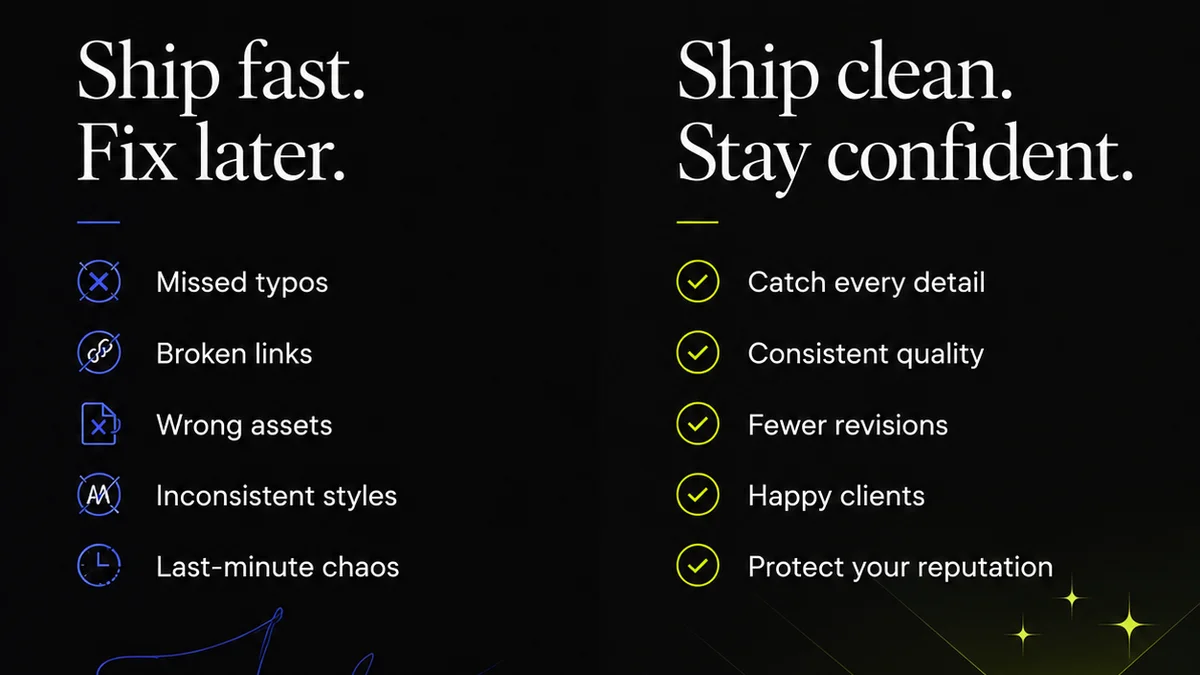
Most people think brand governance is about keeping the logo looking right. They picture a thick PDF, a checklist for pantone colors, and a stern warning about using the wrong typeface. None of that is wrong. But it’s incomplete.
The hard truth? Brand governance is less about policing pixels and more about orchestrating experience. It's the operational backbone that ensures your brand doesn't just look consistent, but *acts* consistent, across every single touchpoint.
1. What Brand Governance Really Is (And Isn't)
Forget the dusty style guide. True brand governance is a living system. It’s the framework that aligns your internal teams, external partners, and even your customers around a shared understanding of your brand's identity, values, and desired perception.
It’s about making sure that every piece of communication, every product interaction, every customer service call reinforces the same core message and feeling. It’s proactive, not just reactive.
The Common Misconception: Style Police
The classic view of brand governance is that of a gatekeeper. Someone (or a team) is tasked with ensuring every asset adheres strictly to predefined visual rules.
- Logo usage
- Color palettes
- Typography
- Imagery style
- Tone of voice
This is a necessary component, but it’s the *what*, not the *why* or the *how* at scale.
The Deeper Truth: Experience Orchestration
Effective brand governance is about building trust and predictability. It ensures that no matter who interacts with your brand, or where, the experience is cohesive and aligned with your strategic goals.
Think of it as the operating system for your brand's presence in the world.
2. Why Most Brand Governance Efforts Fail
Many organizations invest heavily in creating beautiful brand guidelines, only to see them ignored or inconsistently applied. Why?
Because they treat governance as a document, not a process. They fail to integrate it into the daily workflows of the people who actually *create* the brand experience.
Siloed Ownership
When brand governance sits solely within marketing or design, other departments feel disconnected. Sales, product development, customer support – they all have a hand in shaping the brand experience, but if they aren't part of the governance conversation, they won’t champion it.
Lack of Accessibility
A 200-page PDF buried on a shared drive is useless. Brand assets, guidelines, and best practices need to be easily discoverable and usable by everyone who needs them, when they need them.
Overly Rigid Rules
While consistency is key, rigidity can stifle creativity and adaptability. Guidelines that are too prescriptive can lead to bland, uninspired work and frustration among creative teams.
No Feedback Loop
Governance shouldn't be a one-way street. There needs to be a mechanism for teams to ask questions, provide feedback on guidelines, and suggest improvements.
3. The Pillars of Effective Brand Governance
Building a robust brand governance system requires a strategic, integrated approach. It’s not a one-time project; it’s an ongoing discipline.
Pillar 1: Centralized Brand Assets & Guidelines
This is the foundation. All approved brand elements – logos, fonts, color swatches, templates, imagery libraries, tone-of-voice guides – must be stored in a single, accessible location.
This isn't just about storage; it's about version control and ensuring everyone uses the *latest* approved assets. Think of a Digital Asset Management (DAM) system or a dedicated brand hub.
Pillar 2: Clear Roles and Responsibilities
Who is responsible for what? Define clear ownership for:
- Developing and updating guidelines
- Approving new brand assets
- Educating internal teams and partners
- Monitoring brand compliance
- Managing the brand governance platform
This clarity prevents confusion and ensures accountability.
Pillar 3: Integrated Workflows
Brand governance cannot live in a vacuum. It must be woven into the fabric of your creative production process.
This means integrating brand checks and approvals directly into project management tools, design software, and content creation platforms. It should be part of the process, not an afterthought.
Pillar 4: Education and Training
Simply providing guidelines isn't enough. Teams need to understand the *why* behind the rules and how to apply them effectively.
Regular training sessions, onboarding materials, and readily available support can significantly improve adoption and compliance.
Pillar 5: Measurement and Iteration
How do you know if your governance is working? Establish metrics and regularly review performance.
This could include:
- Tracking brand consistency across campaigns
- Monitoring feedback on brand application
- Assessing the ease of access to brand resources
- Reviewing the efficiency of approval processes
Use this data to refine your guidelines and processes over time.
4. Implementing Brand Governance in an Agency Setting
For creative agencies, brand governance is a critical factor in delivering consistent, high-quality work for clients. It protects your clients' brands and, by extension, your agency's reputation.
Client Onboarding and Discovery
Start by thoroughly understanding the client's existing brand guidelines, their strategic objectives, and their desired brand perception. Document this clearly.
Internal Briefing and Asset Management
Ensure your internal teams have easy access to all client-approved brand assets and guidelines. This includes logos, color palettes, typography, tone of voice, and any specific do's and don'ts.
A centralized system is non-negotiable here. Juggling multiple client brand assets across scattered folders is a recipe for disaster.
Creative Development Process
Integrate brand checks at key stages of the creative process.
- Concepting: Does the idea align with the brand strategy?
- Design: Are visual elements compliant with guidelines?
- Copywriting: Does the tone of voice match?
- Production: Are final assets correctly formatted and delivered?
Clear sign-off points at each stage are crucial.
Client Review and Approval
Streamline the feedback and approval process. Ensure clients can easily review creative work and provide consolidated feedback against the established brand parameters.
This prevents endless back-and-forth and ensures alignment.
Onboarding New Team Members
Make brand governance a core part of your agency's onboarding process. New hires need to understand how your agency manages and upholds brand standards for all clients.
5. Where Revue Fits In
Managing client feedback, revisions, and approvals can quickly become a governance nightmare if not handled systematically. Disparate email threads, scattered annotation tools, and unclear sign-offs lead to brand drift.
Revue helps by centralizing the entire creative review and approval process. Instead of chasing feedback across inboxes, all client comments, revisions, and approvals live in one place, tied directly to the creative asset.
This provides:
- Visibility: Everyone sees the same feedback, in context.
- Accountability: Clear audit trails of who said what, when.
- Efficiency: Streamlined workflows reduce the time spent managing feedback.
- Consistency: Easier to ensure final deliverables meet brand standards when the entire history is preserved.
By bringing order to the feedback loop, Revue empowers agencies to maintain brand integrity throughout the revision process, ensuring that the final output consistently reflects the client's brand governance.
6. Final Thought
Brand governance is more than a set of rules; it’s a commitment to delivering a consistent, trustworthy brand experience. It’s the operational discipline that transforms brand guidelines from static documents into dynamic drivers of perception.
Are you managing your brand, or is your brand managing you?
Frequently asked questions
What is the primary goal of brand governance?
The primary goal of brand governance is to ensure that a brand's identity, values, and messaging are consistently and effectively communicated across all touchpoints, thereby building trust and a predictable experience for the audience.
How does brand governance differ from brand guidelines?
Brand guidelines are a component of brand governance, typically documenting visual and verbal identity rules. Brand governance, however, is the broader system of processes, roles, and responsibilities that ensures these guidelines are understood, implemented, and maintained consistently across an organization and its partners.
Who is typically responsible for brand governance?
Responsibility for brand governance often involves multiple stakeholders, including marketing, branding, legal, and sometimes product development or operations teams. In agencies, it's a shared responsibility between the agency's operations and account management teams and the client's brand stewards.
Can brand governance stifle creativity?
It can, if implemented too rigidly. Effective brand governance strikes a balance: it provides clear guardrails to ensure consistency and brand alignment, but allows enough flexibility for creative expression within those parameters. The focus should be on achieving strategic objectives, not just adhering to arbitrary rules.
How can technology help with brand governance?
Technology, such as Digital Asset Management (DAM) systems, brand portals, and project management tools (like Revue), plays a crucial role. These tools centralize assets, streamline workflows, facilitate feedback and approvals, and provide audit trails, making it easier to manage and enforce brand consistency.