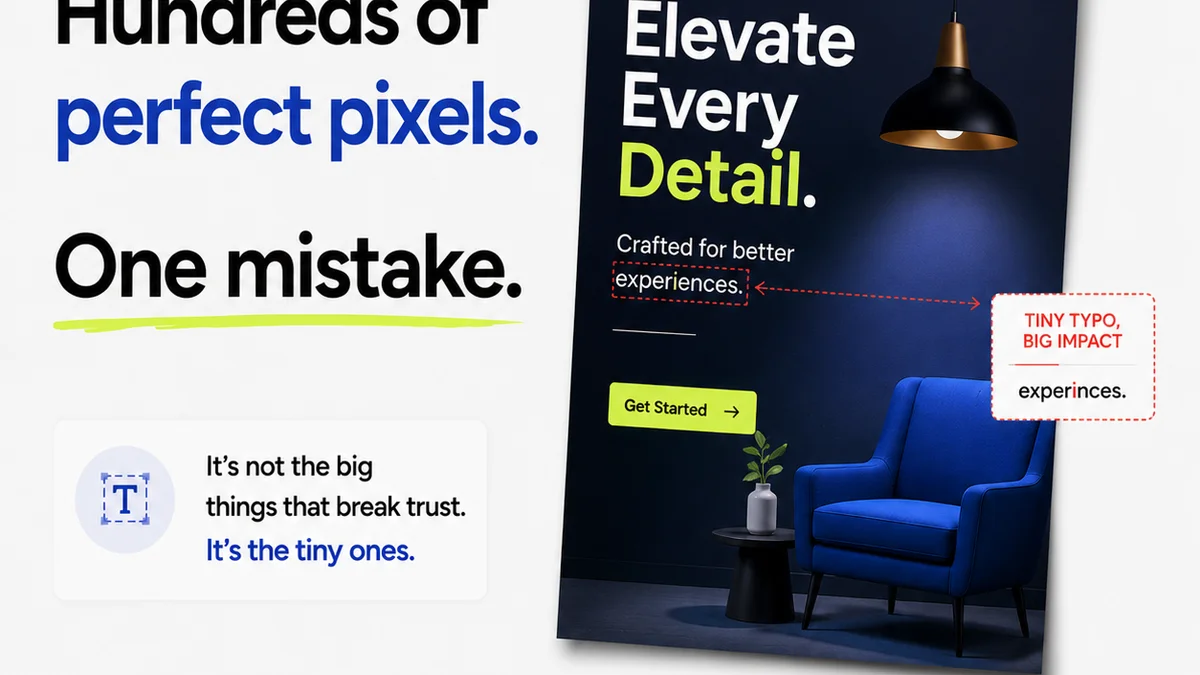
Everyone agrees brand governance is crucial. It’s the bedrock of a consistent, recognizable brand. You need guidelines. You need rules. You need a system.
None of that is wrong. But it’s incomplete.
The hard truth is that most brand governance frameworks are built with the wrong priorities. They’re designed to restrict, not enable. They focus on *preventing* mistakes rather than *facilitating* good work.
This approach chokes creativity, slows down production, and ultimately, creates more friction than it solves. It turns brand governance from a helpful tool into a bureaucratic hurdle.
Let’s break down the common mistakes and how to actually build a governance system that works.
1. The "Big Book of Rules" Fallacy
Many teams create massive brand guidelines documents. Think hundreds of pages. They meticulously detail every conceivable scenario, every shade of blue, every acceptable font pairing. The intention is to leave no room for error.
This is a mistake. Why?
- Information Overload: No one reads it. Or if they do, they skim. Key information gets lost in the noise.
- Rigidity: The world changes. Brands evolve. A massive, static document is impossible to update effectively and quickly.
- Fear of Interpretation: It trains people to follow rules blindly, rather than understand the *why* behind them. This stifles creative problem-solving.
Your brand guidelines should be a living, breathing resource, not a dusty tome.
Focus on Principles, Not Just Prescriptions
Instead of listing every single acceptable use case, focus on the core principles of your brand. What is the brand’s personality? What are its core values? What is the desired emotional response?
Provide clear examples of what works and what doesn’t, but frame them as illustrations of the principles, not exhaustive lists.
2. Treating Governance as a Gatekeeper, Not a Guide
The most common setup is a bottleneck. A brand manager or a dedicated team sits at the end of the creative process, reviewing everything before it goes out. They’re the “brand police.”
This creates an adversarial relationship. Creatives start to see the brand team as an obstacle, not a partner. It leads to:
- Last-Minute Revisions: Problems are caught too late, leading to rushed fixes and missed deadlines.
- Reduced Ownership: Creatives feel less invested in the brand’s integrity if they’re just being told what’s wrong.
- Inefficiency: The brand gatekeeper becomes overloaded, slowing down the entire operation.
This isn’t sustainable. It’s a recipe for burnout and suboptimal work.
Integrate Governance Early and Collaboratively
Brand governance should be an ongoing conversation, not a final judgment. Empower your creative teams to be brand stewards from the outset.
This means:
- Early Consultations: Bring brand considerations into the kickoff phase.
- Accessible Resources: Make brand assets and simple guides readily available.
- Empowerment, Not Enforcement: Train your teams on brand principles so they can make good decisions independently.
The goal is to build brand-aware creatives, not brand-compliant automatons.
3. Neglecting the "Why" Behind the Rules
People resist rules they don’t understand. When brand governance is presented as a set of arbitrary mandates, compliance plummets.
Why is the logo always this size? Why can’t we use this font? Without context, these questions reveal a disconnect.
A lack of understanding leads to:
- Workarounds: People find ways around the rules because they don’t see the value.
- Complacency: A blind adherence to rules without critical thought.
- Missed Opportunities: Failing to adapt or innovate because the rules seem too rigid.
Your governance system needs to tell a story.
Educate and Contextualize
Every guideline, every rule, should have a clear rationale tied back to the brand’s strategy, its audience, or its business objectives.
Explain:
- Brand Strategy: What are we trying to achieve?
- Target Audience: Who are we talking to and why?
- Brand Personality: What tone and feel should we convey?
When creatives understand the strategic purpose, they become better brand advocates. They can even help evolve the brand guidelines based on their practical experience.
4. Inaccessible or Outdated Assets
This is a perennial problem. Where is the latest logo? Which version of the brand deck is current? If your team spends more time hunting for assets than using them, your governance is failing.
Common issues include:
- Scattered Storage: Assets live on shared drives, individual hard drives, cloud folders, email threads… everywhere.
- Version Control Chaos: Multiple versions of files exist, leading to confusion and the use of incorrect assets.
- Lack of Standardization: Files are not consistently named or organized, making them hard to find.
This isn’t just an inconvenience; it’s a direct threat to brand consistency.
Centralize and Systematize
A single source of truth is non-negotiable. This means:
- Digital Asset Management (DAM): Implement a system designed for storing, organizing, and retrieving brand assets.
- Clear Naming Conventions: Establish and enforce a logical system for naming files.
- Regular Audits: Periodically review and clean up your asset library.
Make it effortless for your team to find and use the correct, up-to-date brand assets.
5. Ignoring the Feedback Loop
Brand governance isn’t a set-it-and-forget-it operation. The market shifts, customer perceptions change, and your brand needs to adapt.
Many systems fail because they are:
- One-Way Street: Top-down directives with no mechanism for input from those on the ground.
- Static: Guidelines are created and rarely revisited or updated.
- Reactive: Changes only happen after a major brand crisis or a new strategic overhaul.
This leads to a brand that feels stale or disconnected from reality.
Build for Evolution
Your brand governance framework should explicitly include processes for review and adaptation.
Consider:
- Regular Reviews: Schedule periodic (e.g., annual or bi-annual) reviews of brand guidelines and assets.
- Performance Metrics: Track brand perception and consistency metrics.
- Feedback Channels: Create clear channels for teams to provide feedback on what’s working and what’s not.
A dynamic brand is a healthy brand.
Where Revue Fits In
Many of these governance challenges boil down to visibility, communication, and process. That’s precisely where Revue excels.
Instead of relying on endless email chains and scattered files for feedback and approvals, Revue provides a centralized platform.
Imagine:
- Clear Feedback Trails: All client comments, revisions, and approvals are tracked in one place, linked to specific assets. No more digging through inboxes.
- Version Control Visibility: Easily see which version of a creative is being reviewed and approved, reducing confusion.
- Streamlined Approvals: Set up clear workflows for stakeholders to review and sign off, ensuring consistency and accountability.
- Quality Checks: Use the platform to perform internal quality assurance before client delivery, catching potential brand missteps early.
Revue helps embed brand governance into your daily workflow, making it a natural part of the creative process rather than an afterthought.
Final Thought
Is your brand governance system designed to empower your team and foster great creative work, or is it a rigid cage that stifles innovation?
The most effective governance isn't about more rules; it's about smarter processes and better understanding.
Frequently asked questions
What's the biggest mistake in brand governance?
The biggest mistake is treating brand governance as a rigid set of rules designed to restrict creativity, rather than a flexible framework to guide and enable it. This often leads to overly complex guidelines, gatekeeping rather than collaboration, and a lack of understanding of the 'why' behind the rules.
How can I make brand guidelines more effective?
Focus on core principles and strategic objectives rather than exhaustive prescriptions. Provide clear examples, explain the rationale behind each guideline, and ensure the document is easily accessible and regularly updated. Think of it as a living resource, not a static manual.
How does centralized feedback help brand governance?
Centralized feedback platforms like Revue ensure all comments, revisions, and approvals are tracked in one place, linked to specific assets. This provides clear visibility, improves version control, streamlines the approval process, and allows for better internal quality checks, all of which are critical for maintaining brand consistency.
What are the signs of poor brand governance?
Signs include inconsistent brand application across different channels, teams struggling to find correct brand assets, last-minute revisions due to missed brand compliance issues, a general confusion about brand rules, and a feeling of friction between creative teams and brand stewards.