Everyone thinks brand quality assurance, or QA, is just about catching typos and broken links before a project goes live. That’s the common assumption. It’s a quick sanity check. A last-minute polish.
None of that is wrong. But it’s incomplete.
The hard truth? Brand QA is a continuous process woven into every stage of a project, from initial concept to final deployment. It's not a gatekeeper; it's a quality cultivator. It’s about protecting your agency's reputation, ensuring client satisfaction, and delivering work that truly performs. Missed, it’s a ticking time bomb for brand damage and client churn.
1. Beyond the Surface: What Brand QA Really Means
Brand QA isn't just about aesthetics. It's a holistic review that encompasses:
- Brand Consistency: Does the work align with the established brand guidelines? Every element, from color palettes to tone of voice, must sing from the same hymn sheet.
- Strategic Alignment: Does the creative output meet the project's original objectives? Is it solving the client's problem effectively?
- Technical Integrity: Is the asset functional across all intended platforms and devices? Are there any bugs, errors, or performance issues?
- User Experience (UX): Is the final product intuitive, accessible, and easy for the target audience to interact with?
- Legal & Compliance: Does the work adhere to all relevant legal requirements, industry standards, and client-specific policies?
This comprehensive approach is critical for maintaining brand integrity.
The Cost of Neglect
A minor oversight can cascade into major problems. A website with inconsistent branding can confuse users and dilute brand perception. A campaign that misses its strategic mark wastes client budget and erodes trust.
And a technically flawed deliverable? That's just embarrassing. And expensive to fix later.
2. The Workflow Integration: Embedding QA from Day One
The biggest mistake agencies make is treating QA as an afterthought—a box to tick at the very end. This creates bottlenecks and increases the likelihood of crucial errors slipping through.
Effective brand QA is integrated into your workflow, not bolted on.
Scoping & Briefing
QA starts before a single pixel is designed. Are the project objectives clearly defined? Are the brand guidelines comprehensive and accessible? Is the scope realistic?
- Define clear, measurable objectives for every project.
- Ensure brand guidelines are up-to-date and easily accessible to the entire team.
- Document all client requirements and constraints meticulously.
Design & Development Stages
Regular checkpoints are essential. Don't wait until the entire project is complete to review.
- Internal Reviews: Conduct frequent, informal reviews among team members. A fresh pair of eyes often catches what the creator missed.
- Milestone Approvals: Build in formal review stages for key deliverables (e.g., wireframes, mockups, copy drafts).
- Cross-Disciplinary Checks: Ensure designers review copy and developers review design for alignment.
Pre-Launch & Post-Launch
This is where the traditional QA often happens, but it should be a confirmation, not the discovery phase.
- Final Review: A comprehensive check against all requirements and brand guidelines.
- User Acceptance Testing (UAT): Where the client or designated users test the deliverable.
- Post-Launch Monitoring: Track performance, user feedback, and technical health after deployment.
3. Building Your Brand QA Checklist
A checklist provides structure and ensures nothing critical is overlooked. It’s a tool, not a substitute for critical thinking. Tailor it to your agency and client types.
Core Elements for Any Deliverable
Start with these universal checks:
- Brand Identity: Correct logo usage (size, spacing, color variations), correct color palette application, appropriate typography (fonts, hierarchy, legibility), consistent tone of voice and messaging.
- Content Accuracy: Spelling, grammar, punctuation, factual correctness, up-to-date information, correct contact details/URLs.
- Technical Functionality: All links working, forms submitting correctly, interactive elements functioning as intended, responsive design across devices (desktop, tablet, mobile), fast load times, no broken code.
- User Experience: Intuitive navigation, clear calls-to-action, accessibility compliance (e.g., WCAG guidelines for web content), logical information architecture.
- Legal & Compliance: Adherence to privacy policies, terms of service, copyright, trademark usage, industry-specific regulations.
Deliverable-Specific Checks
Add sections for different project types:
- Websites/Apps: Browser compatibility, cross-platform consistency, SEO meta tags, sitemap, analytics tracking, security protocols.
- Marketing Collateral (Brochures, Flyers): Print-ready files (bleed, crop marks), correct color modes (CMYK/RGB), paper stock considerations, folding/finishing instructions.
- Social Media Campaigns: Correct image/video dimensions for each platform, platform-specific best practices, hashtag usage, call-to-action relevance.
- Video Content: Audio quality, correct aspect ratio, subtitles/captions, branding on intro/outro screens, pacing and flow.
Example Checklist Snippet (Website Launch)
| Category | Item | Status (Pass/Fail) | Notes |
|---|---|---|---|
| Brand Identity | Logo usage consistent across all pages? | ||
| Brand Identity | Primary and secondary color palette applied correctly? | ||
| Content Accuracy | All contact phone numbers verified? | ||
| Technical Functionality | All internal links on the 'About Us' page working? | ||
| Technical Functionality | Website loads within 3 seconds on mobile (Chrome, average)? | ||
| UX/Accessibility | All images have alt text? |
This structured approach ensures thoroughness.
4. The Human Element: Roles, Responsibilities, and Culture
A checklist is only as good as the people using it. Who owns brand QA in your agency?
Defining Ownership
Is it a dedicated QA team? Project managers? Account managers? Or does it fall on the shoulders of the creatives themselves?
- Dedicated QA: Ideal for larger agencies or complex projects, offering specialized focus.
- Project Manager Oversight: Common and effective, as PMs have a holistic view of the project.
- Creative Director / Lead Review: Essential for strategic and brand alignment, but can be a bottleneck if not managed.
- Shared Responsibility: Fosters a quality-first culture but requires clear processes and accountability.
Whatever the model, accountability is key.
Cultivating a Quality Mindset
This isn't about blame. It's about collective ownership of the final output.
- Training: Ensure everyone understands brand guidelines and QA processes.
- Psychological Safety: Create an environment where team members feel comfortable pointing out potential issues without fear of reprisal.
- Feedback Loops: Regularly review QA findings to identify recurring issues and improve processes.
- Client Collaboration: Manage client expectations around review cycles and feedback.
A strong QA culture elevates the entire agency.
5. Where Revue Fits In
Managing brand QA across multiple projects and clients can become chaotic. Tools designed for creative collaboration and feedback management can streamline this process significantly.
Revue acts as a central hub for all creative assets and client feedback. This means:
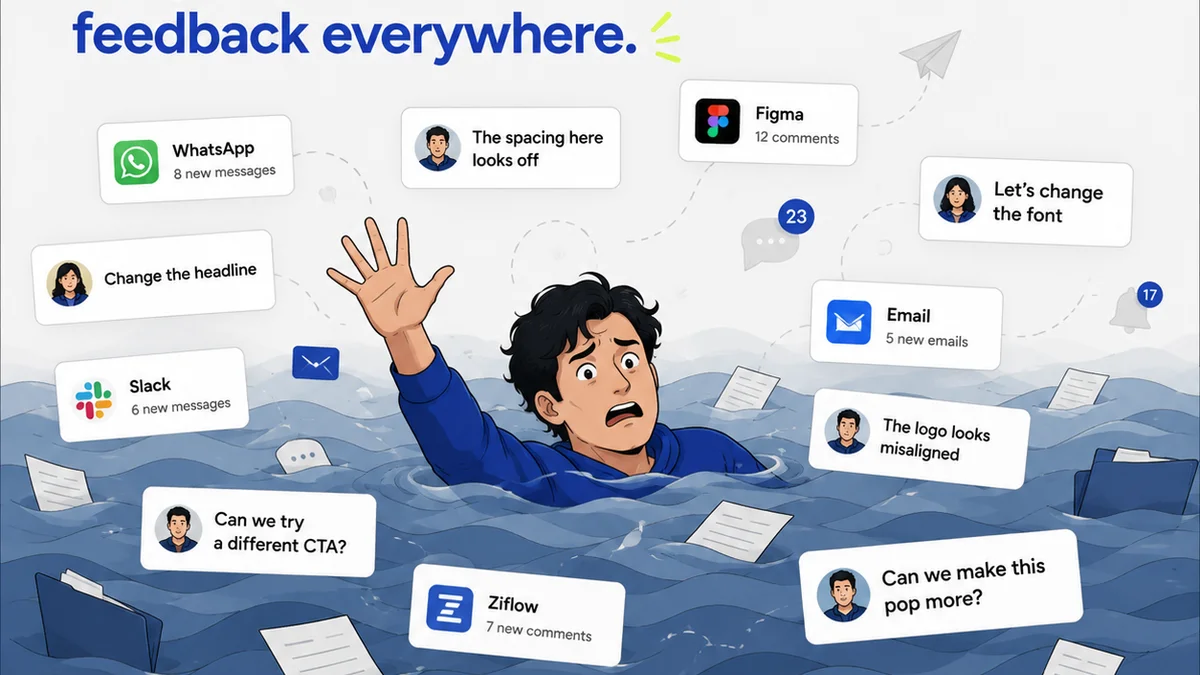
- Centralized Feedback: All comments, markups, and approvals are in one place, linked directly to the asset. No more digging through endless email threads or scattered documents.
- Version Control & Revision History: Easily track changes, see who approved what, and revert to previous versions if needed. This clarity is invaluable during QA.
- Streamlined Approvals: Define clear approval workflows. Ensure all necessary stakeholders sign off before a project moves to the next stage or launch.
- Quality Check Integration: Use the platform to conduct internal QA reviews, assign tasks for specific checks, and document findings. The audit trail provides proof of diligence.
By bringing transparency and structure to feedback and approvals, Revue helps ensure that brand consistency and quality are maintained throughout the project lifecycle, making your QA process more robust and less prone to errors.
Final Thought
Brand QA isn't a chore to be rushed through. It's an investment in your agency's credibility and your clients' success. Are you treating it as a strategic imperative, or just another checkbox?
Frequently asked questions
What is the primary goal of brand QA?
The primary goal of brand QA is to ensure that all creative deliverables are consistent with brand guidelines, meet strategic objectives, are technically sound, and provide a positive user experience before they are released to the public or client.
How often should brand QA be performed?
Brand QA should be performed continuously throughout the project lifecycle, not just as a final step. This includes checks during the scoping, design, development, pre-launch, and post-launch phases.
Who is responsible for brand QA in an agency?
Responsibility for brand QA can vary. It might be a dedicated QA team, project managers, creative directors, or a shared responsibility among team members. Clear ownership and accountability are crucial.
Can a checklist replace critical thinking in QA?
No, a checklist serves as a guide to ensure thoroughness and consistency but should not replace critical thinking. Human judgment is essential to identify nuances and potential issues not explicitly covered by checklist items.
How does a tool like Revue help with brand QA?
Revue centralizes feedback, streamlines approvals, and provides version control, creating a clear audit trail. This transparency and organization make it easier to conduct thorough QA checks, assign tasks, and ensure all stakeholders are aligned on quality standards.