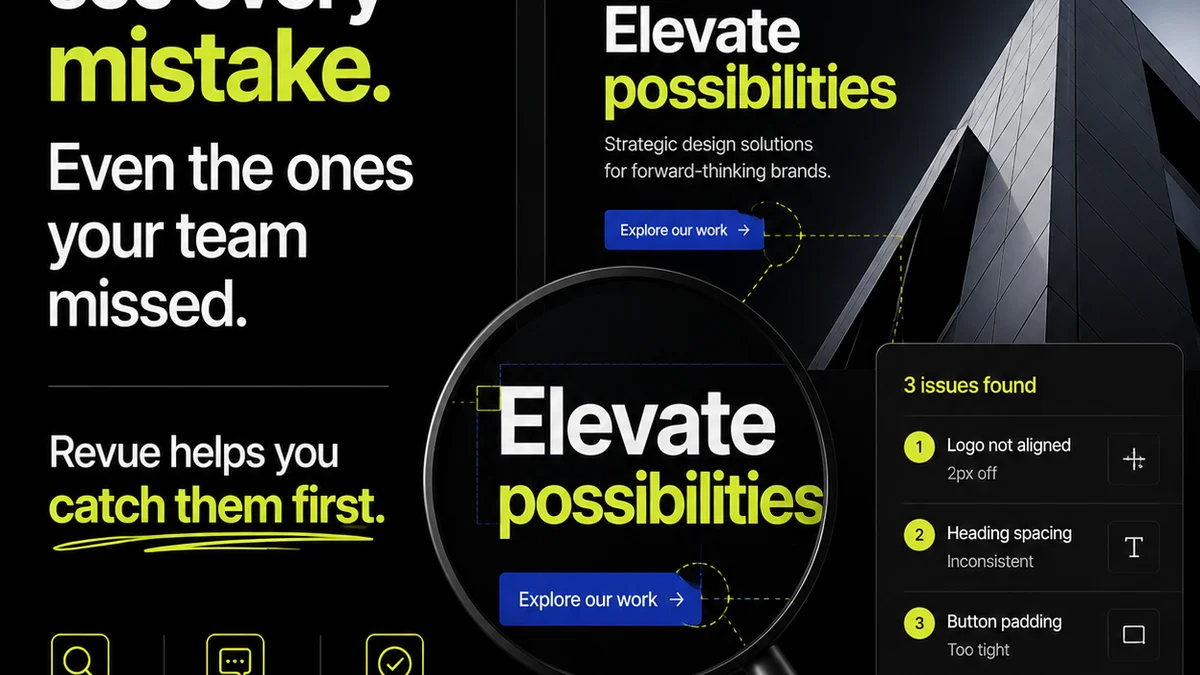
Most marketing teams think a brand review is about checking for logos, correct colors, and approved fonts. That’s the easy part. It’s the surface-level stuff.
But that’s not what truly makes or breaks brand consistency. The real challenge runs much deeper.
1. The Hard Truth: Brand Review is an Operational Bottleneck
The assumption is that brand guidelines are enough. That simply having a PDF or a digital asset library means your brand will be applied correctly, every time, everywhere. This is a fantasy.
The hard truth is that a brand review process, if not handled operationally, becomes a massive bottleneck. It slows down production, frustrates creatives, and often results in inconsistent execution anyway.
2. Why Your Current Brand Review Fails
Think about it. What usually happens during a brand review?
- A designer submits work, often via email or a shared drive.
- Someone on the brand team, or a senior creative, opens it.
- They scroll through, looking for obvious errors: wrong logo placement, a slightly off-color shade, a font that’s not quite right.
- They send back a list of minor tweaks.
- The designer makes the changes and resubmits.
- Repeat.
This process is reactive and inefficient. It’s like playing whack-a-mole with brand assets.
It’s also surprisingly subjective. What one person considers a minor deviation, another might see as a critical error. This leads to endless back-and-forth.
The Real Issues Lurking Beneath
The actual problems aren't just about the color hex code. They’re about:
- Context Collapse: The reviewer doesn't understand the *purpose* of the asset or its intended placement. A social media graphic needs different considerations than a print ad.
- Tooling Limitations: Relying on email or basic file sharing means no centralized record, no clear version history, and no easy way to track feedback across multiple stakeholders.
- Lack of Training: Creatives may not fully grasp the *why* behind certain brand rules, only the *what*.
- Time Poverty: Brand managers and senior creatives are often overloaded. Brand review becomes a chore squeezed between higher-priority tasks, leading to rushed, superficial checks.
- Misaligned Expectations: Different teams (marketing, sales, product) might have slightly different interpretations of brand application.
3. Shifting from Ticking Boxes to Building Systems
A truly effective brand review isn’t about catching mistakes. It’s about building a system that *prevents* them in the first place.
This means moving beyond static guidelines and embracing a more dynamic, integrated approach.
Proactive Brand Governance
Instead of waiting for work to be submitted for review, embed brand governance earlier in the workflow.
- Template Libraries: Provide pre-approved, correctly formatted templates for common assets. This is especially useful for social media, presentations, and internal documents.
- Component-Based Design: For digital products or websites, establish a design system with reusable, on-brand components. Figma’s component features are a prime example of this in action.
- Clear Briefing: Ensure creative briefs explicitly state brand requirements relevant to the specific project, not just a generic link to the guidelines.
- Automated Checks: Where possible, use tools that can automatically flag common errors. Some design software and DAMs offer basic checks for file formats or dimensions.
Empowering Creatives
Your team needs to be equipped to apply the brand correctly from the start.
- Accessible Resources: Make brand guidelines easy to find, easy to understand, and searchable. Think interactive web-based guidelines rather than a dense PDF.
- Regular Training: Conduct workshops on brand application, focusing on principles and examples, not just rules.
- Feedback Loops: Encourage creatives to ask questions *before* they start work if something is unclear.
4. The Operational Cost of Inconsistency
Every time a brand asset goes out the door with an error, it costs you.
It might be a small cost initially – a quick reshoot, a minor edit. But these small costs add up.
- Diluted Brand Perception: Inconsistent visuals confuse your audience and weaken your brand’s professional image.
- Wasted Time and Resources: Revisions, rework, and chasing down errors drain valuable creative and production hours.
- Missed Opportunities: A poorly executed campaign might fail to resonate, leading to lost leads or sales.
- Internal Friction: Constant back-and-forth erodes trust and collaboration between teams.
These aren't just theoretical costs. They impact your bottom line.
5. Where Revue Fits In
This is where a centralized platform for creative operations becomes essential. Revue isn't just about managing projects; it’s about streamlining the entire creative lifecycle, including brand review.
By bringing all your creative work, feedback, and approvals into one place, Revue transforms brand review from a chaotic bottleneck into a controlled, visible process.
- Centralized Feedback: All comments and markups live directly on the asset. No more hunting through email chains or deciphering Slack messages. Stakeholders can provide feedback in context, reducing ambiguity.
- Revision History: Track every version of an asset and every piece of feedback given. This provides accountability and a clear audit trail, crucial for understanding how a brand application evolved.
- Approval Workflows: Define clear approval stages and assign reviewers. This ensures that brand checks happen at the right time and by the right people, preventing off-brand work from moving forward.
- Quality Assurance: Use the platform to conduct final quality checks, ensuring all brand elements are correct before final delivery or publication.
Revue helps you move from reactive error-catching to proactive brand stewardship.
6. Final Thought
Is your brand review process a gatekeeper or a growth enabler?
If it’s slowing you down, causing frustration, and still letting off-brand assets slip through, it’s time to rethink the mechanics. True brand consistency isn’t enforced; it’s built into the workflow.
Frequently asked questions
What's the difference between brand guidelines and brand review?
Brand guidelines are the rulebook (logos, colors, fonts). Brand review is the process of checking if work adheres to those guidelines. However, effective brand review goes beyond just checking rules; it's about ensuring operational consistency and preventing errors through systemic processes.
How can I make my brand review process faster?
Speed comes from efficiency, not shortcuts. Implement template libraries, use component-based design, improve creative briefs, empower creatives with accessible resources and training, and centralize feedback and approvals in a platform like Revue to eliminate bottlenecks.
What are the biggest mistakes marketing teams make in brand review?
Teams often treat brand review as a superficial, last-minute check rather than an integrated part of the workflow. They rely on inefficient communication channels like email, lack clear context for reviewers, and fail to proactively train or equip their creatives with the necessary resources.
Can automation help with brand review?
Yes, to an extent. Automated checks can flag basic errors like incorrect file formats or dimensions. However, they cannot replace human judgment for nuanced aspects of brand application, tone, or strategic alignment. Automation should supplement, not replace, a well-defined review process.