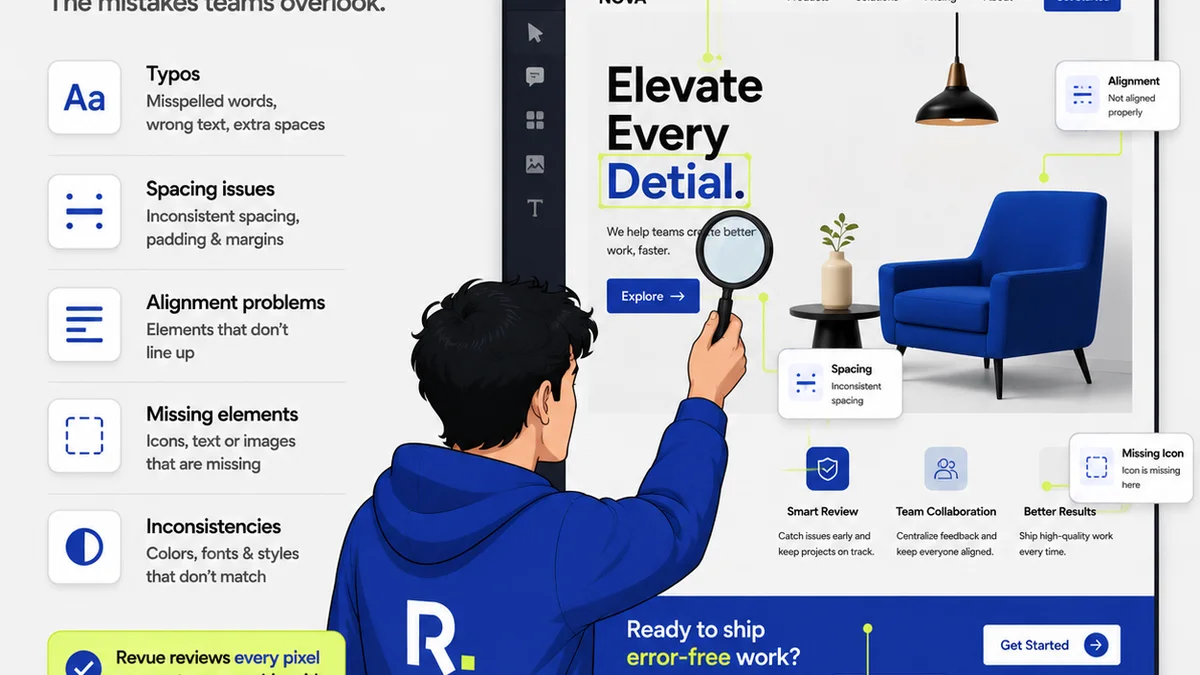
Everyone talks about having a solid brand review process. You need clear guidelines, stakeholder buy-in, and consistent application. None of that is wrong. But it’s incomplete.
The hard truth is that most brand review processes are built on a wish, not on an operational reality. They assume perfect communication, infinite time, and zero political maneuvering. The result? A process that looks good on paper but crumbles under the weight of actual client work.
A process that *actually works* isn't about rigid rules; it's about engineered clarity and built-in accountability. It’s about making it easy for the right people to give the right feedback at the right time, and harder for everyone else to derail the project.
1. The Illusion of the Single Source of Truth
Many agencies treat their brand guidelines as the final word. They’re packed with rules, do’s, and don’ts. They’re beautifully designed and meticulously detailed.
And often, they’re ignored.
Why? Because static documents can’t account for context. A guideline might say, “Use X font for all headlines.” But what happens when the headline is only three words long and needs to fit on a tiny social media ad? What about a limited-edition print run where a stylistic deviation adds value?
The Deeper Truth: Context Trumps Rules
A truly effective brand review process integrates flexibility. It acknowledges that guidelines are a starting point, not an unbreakable law. The review itself becomes the mechanism for applying context.
This means:
- Empowering creative teams to propose considered deviations.
- Establishing clear criteria for when deviations are acceptable (e.g., strategic imperative, demonstrable user benefit, exceptional creative merit).
- Making sure the *reviewer* understands the strategic goals behind the creative, not just the visual execution.
When reviewers understand the 'why' behind the creative, they’re better equipped to assess if a deviation serves the brand’s ultimate goals, not just its visual rules.
2. The Feedback Black Hole
The most common failure point? Feedback. It’s either:
- Too vague: “Make it pop.” “I don’t like it.” “Needs more energy.”
- Too late: Delivered after the work is nearly complete, leading to costly rework.
- Too much: From too many people, often with conflicting opinions.
- Too personal: Based on subjective taste rather than strategic objectives.
This isn't a communication problem; it’s a structural one. Your process is allowing these issues to fester.
The Deeper Truth: Feedback Needs Structure
You can’t just ask for feedback. You have to engineer the *type* and *timing* of feedback you receive. This means:
- Phased Approvals: Break down the project into stages. Get sign-off on the concept before the detailed design. Get sign-off on the core messaging before the final polish.
- Structured Feedback Forms: Instead of an open-ended email, use a form that asks specific questions related to the project goals. “Does this headline clearly communicate the offer?” “Is the call to action prominent?”
- Defined Reviewers: Identify *who* needs to review *what*. Not every stakeholder needs to weigh in on every detail. Assign specific review responsibilities. The marketing lead reviews strategy and messaging. The legal team reviews compliance. The creative director reviews execution against brief.
- Time-Bound Reviews: Set clear deadlines for feedback. If feedback isn't received by X date, the project moves forward based on the existing approved version. This is tough, but essential.
A structured approach turns vague opinions into actionable insights, and late-stage critiques into early-stage course corrections.
3. The Bottleneck of the Gatekeeper
Often, one person or a small group acts as the sole gatekeeper for brand approval. This might be the brand manager, the creative director, or even the CEO.
While this can ensure consistency, it creates a massive bottleneck.
Projects stall. Deadlines slip. Frustration mounts on both sides of the client-agency relationship.
The Deeper Truth: Distribute and Empower
A robust process doesn't rely on a single point of failure. It distributes authority and builds confidence in the team.
- Empower Your Creatives: Give your designers and copywriters the training and understanding to self-police against the brand. They should be the first line of defense.
- Train Your Reviewers: Ensure everyone involved in the review process understands the brand strategy, the project goals, and their specific role.
- Create Escalation Paths: Define what happens when there’s a disagreement. Is there a senior reviewer? A final decision-maker? Make this clear upfront.
- Leverage Technology: Use tools that provide visibility and track approvals, reducing the need for constant manual follow-up.
The goal is to make the brand review process efficient, not to hoard approval power.
4. The Myth of the Final Sign-Off
We think of brand review as a final step. A rubber stamp before launch.
This is a dangerous assumption.
What happens after the “final” sign-off? The social media team tweaks a caption. The web team adjusts image alt text. The email marketer slightly rewrites a subject line.
Suddenly, the carefully reviewed asset is subtly, or not so subtly, altered. Consistency is lost. The brand is diluted.
The Deeper Truth: Continuous Governance
Brand consistency isn’t achieved through one perfect sign-off. It’s maintained through ongoing governance.
- Post-Launch Audits: Regularly check how the brand is being used in the wild. Are the guidelines being followed across all touchpoints?
- Centralized Asset Management: Ensure that the most up-to-date, approved assets are easily accessible to everyone who needs them.
- Feedback Loops on Usage: Create a mechanism for people using the brand assets to report issues or ask questions.
- Refresher Training: Periodically remind teams of brand standards and any updates.
The review process doesn’t end with a signature. It extends into the ongoing life of the brand’s assets.
Where Revue Fits In
Building a better brand review process is fundamentally about managing complexity and ensuring clarity. It requires visibility, accountability, and a clear audit trail.
This is where a tool like Revue becomes invaluable. Instead of scattered email threads, endless Slack messages, and lost feedback documents, Revue centralizes client feedback. You can see every comment, every revision, and every approval in one place.
This provides:
- Centralized Feedback: All comments and annotations live directly on the creative asset. No more hunting through inboxes.
- Revision Visibility: Track every iteration and understand the evolution of the work. Stakeholders can see what's changed and why.
- Clear Accountability: Assign reviewers and set deadlines. Everyone knows who needs to do what, and when. Approvals are logged, creating an undeniable record.
- Quality Assurance: Use the platform to conduct final checks, ensuring everything aligns with the brief and brand standards before it goes live.
Revue streamlines the communication and approval workflow, turning a chaotic process into a predictable, manageable one.
Final Thought
What if your brand review process wasn't seen as a hurdle to jump over, but as a bridge to better creative work? A bridge built not on assumptions, but on operational reality. Think about that.
Frequently asked questions
What are the biggest mistakes agencies make with brand review processes?
Common mistakes include relying solely on static guidelines, allowing vague or late feedback, creating single points of failure (bottlenecks), and treating review as a one-time event rather than ongoing governance. These issues often stem from processes built on ideal conditions rather than operational reality.
How can I make client feedback more actionable?
Structure your feedback requests. Instead of open-ended questions, use forms that ask specific questions tied to project goals. Implement phased approvals so feedback is given at critical junctures, not just at the end. Define who provides feedback on what, and set clear deadlines.
How do I handle conflicting feedback from multiple stakeholders?
Clearly define reviewer roles and responsibilities upfront. Establish escalation paths for disagreements, designating a final decision-maker if necessary. Ensure all reviewers understand the project's strategic objectives, so feedback is grounded in goals rather than personal preference. Technology can help track who approved what.
What is the role of technology in brand review?
Technology, like centralized feedback platforms, provides crucial visibility and accountability. It allows for comments and approvals to be tracked directly on assets, creates an audit trail, manages revisions effectively, and helps streamline communication, reducing the chaos of scattered emails and messages.