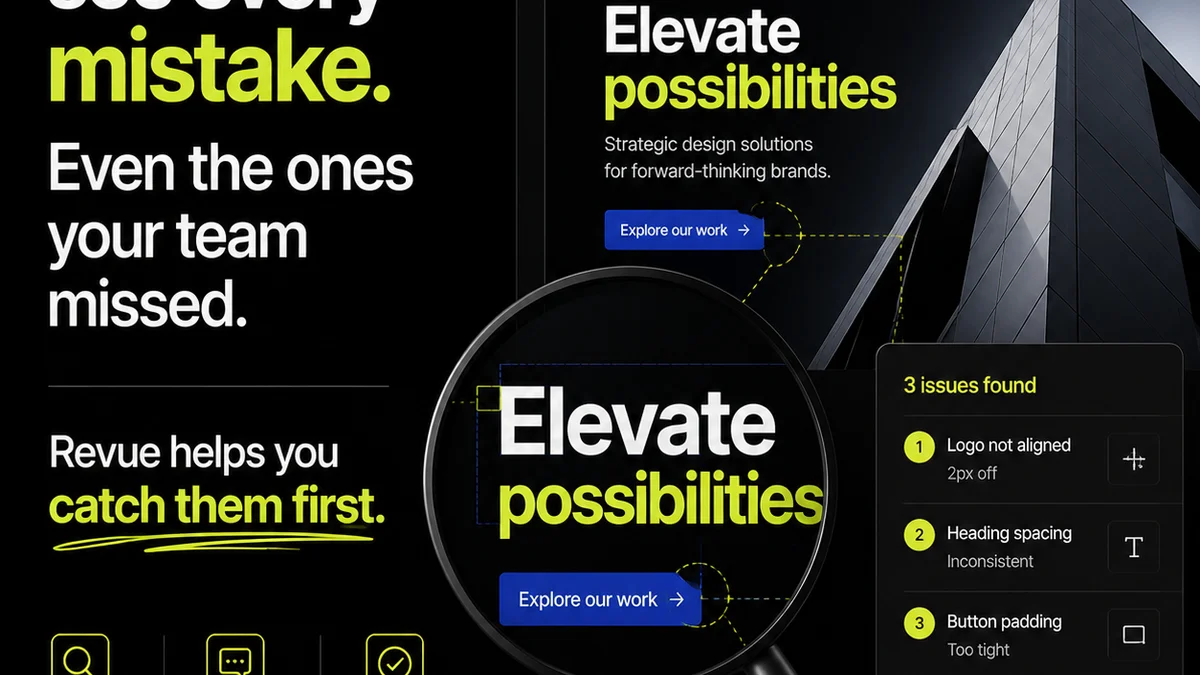
Everyone thinks they know what a brand review is. It’s the final check. The sanity check. The moment before launch.
None of that is wrong. But it’s incomplete.
The hard truth? A brand review isn't just an event; it's a process. And a broken process means missed opportunities, diluted brand identity, and a strained client relationship. You’re not just reviewing pixels; you’re reviewing strategy. You’re reviewing trust.
1. The Myth of the 'Final' Review
The biggest misconception is that the brand review is a discrete, final step. Like a gatekeeper at the end of a hallway. This thinking leads to rushed checks, missed details, and the dreaded “one last thing” from the client that derails everything.
A truly effective brand review workflow is integrated. It’s woven into the fabric of the entire project. From the initial brief to the final deliverable, there are touchpoints where brand alignment is assessed and confirmed.
The Symptoms of a Weak Process
- Endless revision cycles that feel like death by a thousand cuts.
- Client feedback that contradicts earlier approvals.
- Internal teams working in silos, leading to inconsistent brand application.
- A general feeling of anxiety leading up to any “final” presentation.
- The client not fully understanding *why* certain decisions were made, leading to subjective pushback.
These aren't just minor annoyances. They’re red flags indicating a fundamental flaw in how you manage the brand review process.
2. Defining 'Brand Fit' Beyond Aesthetics
Most brand reviews get stuck on the surface. Does it look good? Is the logo there? Is the color right?
This is necessary, but far from sufficient. A robust brand review assesses how the creative output aligns with the core brand strategy, target audience, and business objectives.
Key Areas to Scrutinize
- Strategic Alignment: Does this design communicate the intended brand message and value proposition?
- Audience Resonance: Will this appeal to and connect with the target demographic?
- Competitive Differentiation: Does this stand out from competitors while remaining true to the brand?
- Usability and Accessibility: Is the design functional, intuitive, and accessible to all users? (Think WCAG guidelines for digital products).
- Tone and Voice: Does the visual and written communication reflect the brand's personality?
- Scalability: Can this brand expression be consistently applied across various platforms and future applications?
When you broaden the scope of your review, you move from subjective taste to objective evaluation. This makes feedback more constructive and less personal.
3. Building a Multi-Stage Review System
A single, high-stakes “final” review is a recipe for disaster. Instead, implement a phased approach.
Each stage builds on the last, catching issues early when they are cheapest and easiest to fix.
Stage 1: Internal Creative Review
Before any client sees the work, your internal team needs to rigorously vet it. This isn't about ego; it's about quality control and team alignment. Your creative director, design leads, and even copywriters should weigh in.
- Does it meet the brief?
- Are there any technical issues?
- Is it on-brand according to strategy documents?
- Are there any potential client objections we can preempt?
Stage 2: Strategic Client Touchpoints
These aren't
Frequently asked questions
What's the difference between a brand review and a design review?
A design review focuses on the aesthetic and technical execution of specific design assets. A brand review is broader, assessing how those assets (and the overall strategy) align with the brand's core identity, objectives, and target audience. The brand review ensures strategic coherence, while the design review ensures quality execution.
How can I make client feedback during brand reviews more constructive?
Establish clear review criteria upfront based on the project brief and brand strategy. Use a centralized platform to document feedback, making it traceable. Encourage objective feedback tied to goals, rather than subjective preferences. Schedule dedicated review sessions to discuss feedback, rather than relying solely on asynchronous comments.
What are the biggest mistakes agencies make in their brand review process?
Treating it as a final, one-off event instead of an integrated process. Focusing only on aesthetics and neglecting strategic alignment. Not involving the right internal stakeholders early enough. Failing to document and track feedback and approvals, leading to confusion and scope creep.
How does technology help streamline brand reviews?
Tools like Revue centralize all feedback, revisions, and approvals in one place. This provides a clear audit trail, reduces miscommunication, and ensures everyone is working from the latest version. It automates notifications and makes tracking progress simple, freeing up teams to focus on creative quality rather than administrative overhead.