Most agencies think a brand review workflow is about ticking boxes. Check if the logo’s correct. Ensure the colors match the brand guide. Confirm the tone of voice is on-point. None of that is wrong. But it’s incomplete.
The hard truth? A truly effective brand review workflow isn't just about compliance; it's about clarity, efficiency, and minimizing costly rework by embedding feedback strategically throughout the creative process.
1. The Illusion of the Final Check
The common assumption is that a brand review happens at the very end. One last look before launch. This is where things break down.
By the time a project hits this “final check,” significant time and resources have already been invested. Any feedback at this stage, especially if it requires substantial changes, can cause:
- Major delays
- Budget overruns
- Team frustration
- Client dissatisfaction
This late-stage review often becomes a gatekeeper, not a collaborator. It’s a bottleneck, not a quality assurance step.
2. Shifting from End-Point to Integrated Process
The real power of a brand review workflow lies in making it an ongoing, integrated part of the creative journey. It's not a single event; it's a series of checkpoints.
Early Stage Concept Validation
Before pixels are pushed or copy is finalized, concepts should be reviewed against brand strategy. Does this direction align with the core brand pillars? Is it communicating the right message?
Mid-Project Milestones
As designs and copy develop, conduct reviews at key milestones. For example, after wireframes are approved, or after the first round of visual mockups is complete. This allows for course correction when changes are less disruptive.
Pre-Production Checks
Before anything goes to print, development, or media buy, a focused review ensures all brand elements are correctly implemented. This is where the traditional “checklist” elements play a role, but they should be confirming decisions made earlier, not raising new strategic issues.
3. Defining Roles and Responsibilities
Who owns the brand review? This is often a murky area.
In agencies, it can be the Creative Director, the Brand Manager, the Account Manager, or even a dedicated QA specialist. For clients, it might be their marketing lead or a brand guardian.
Clear ownership prevents:
- Conflicting feedback from different stakeholders
- Feedback falling through the cracks
- Uncertainty about who has the final say
Define these roles upfront for each project. Document who is responsible for strategic brand alignment, who provides tactical feedback, and who has the ultimate approval authority.
4. The Power of a Living Brand Guide
A static PDF brand guide is rarely sufficient. A truly effective brand review relies on a dynamic, accessible, and comprehensive brand resource.
This includes:
- Clear guidelines on logo usage, color palettes, typography, and imagery.
- Examples of correct and incorrect application.
- Tone of voice principles with actionable examples.
- Case studies or examples of past successful brand implementations.
Accessibility is key. Team members and clients should be able to reference these guidelines easily throughout the project lifecycle. Tools that allow for annotation and direct linking to specific guidelines can be invaluable.
5. Establishing Clear Review Criteria
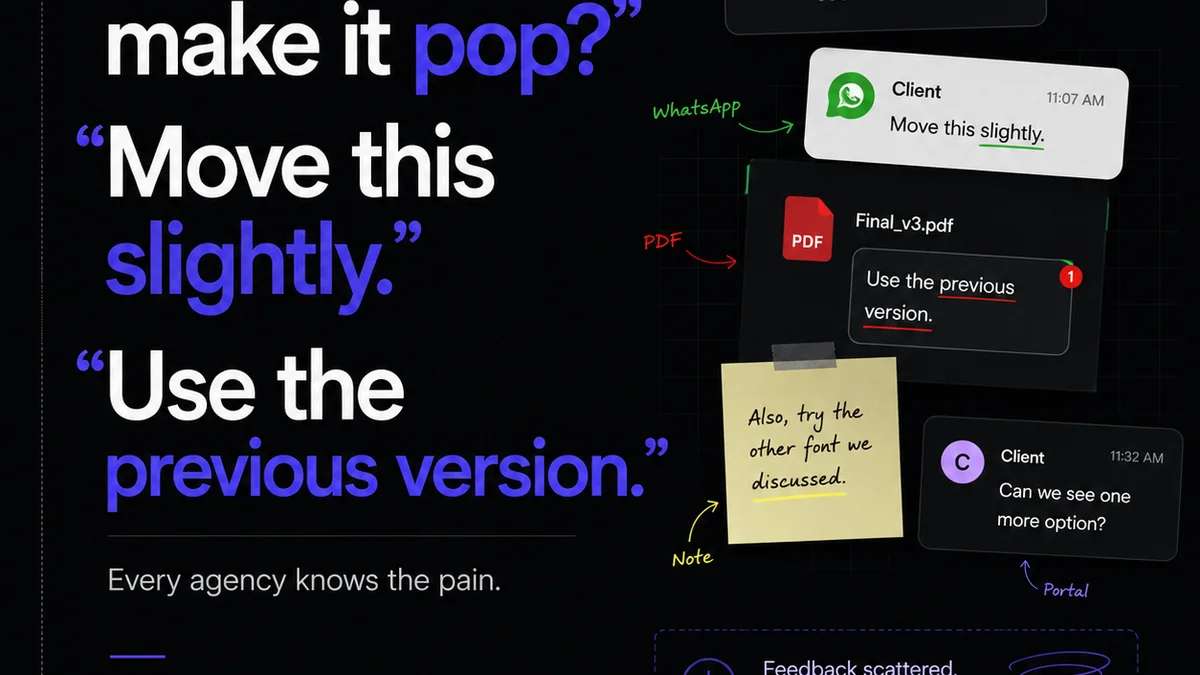
Vague feedback is the enemy of efficient reviews. “Make it pop” or “I don’t like it” are not actionable.
Develop specific, measurable criteria for each review stage. These should directly relate to the project brief and the brand strategy.
Examples:
- Strategic Alignment: Does this concept clearly communicate [specific brand message]?
- Visual Consistency: Are all brand colors, typography, and logo variants used according to the latest style guide?
- Tone of Voice: Does the copy reflect the brand's personality as [adjective 1, adjective 2]?
- Usability/Accessibility: Does the design meet WCAG 2.1 AA standards for contrast and interactive elements?
Using a standardized rubric or scorecard can ensure consistency and objectivity in reviews.
6. The Feedback Loop: From Input to Action
Gathering feedback is only half the battle. The other half is processing it effectively and communicating decisions clearly.
Consolidate and Synthesize
Multiple stakeholders often provide feedback. It's crucial to consolidate this into a single, coherent set of comments. Look for common themes and prioritize based on project goals and brand strategy.
Actionable Insights
Translate raw feedback into specific, actionable tasks for the creative team. If a client requests a change, explain *why* it’s being made and how it aligns with the overall strategy.
Close the Loop
Ensure that the team understands the feedback and the resulting actions. Confirm that revisions have been made and then get a final sign-off. This prevents assumptions and ensures alignment.
7. Where Revue Fits In
Managing feedback, revisions, and approvals across multiple stakeholders and projects can quickly become chaotic. This is where a centralized platform like Revue becomes essential for a robust brand review workflow.
Revue helps by:
- Centralizing Feedback: All comments, annotations, and discussions related to a specific creative asset are in one place. No more hunting through emails or chat logs.
- Managing Revisions: Track every version of a creative asset, see what changed between versions, and understand the feedback that drove those changes. This provides a clear audit trail.
- Streamlining Approvals: Define clear approval stages and assign reviewers. Get timely notifications and clear status updates, ensuring that sign-offs happen efficiently and on time.
- Ensuring Quality Checks: By having a structured process and a clear history of feedback and revisions, teams can perform more effective quality checks, ensuring brand consistency and adherence to brief before final delivery.
This structured approach minimizes misunderstandings, reduces back-and-forth, and ultimately leads to a smoother, more reliable brand review process.
8. The Checklist Reimagined
So, what about that checklist? It still has a place.
But instead of being the *only* tool, it becomes a final verification layer.
Think of it as a tool for the final sign-off phase, ensuring all the critical, non-negotiable brand elements are in place. It confirms that the strategic and creative decisions, made through earlier, more integrated reviews, have been executed flawlessly.
A good checklist might include:
- Logo usage (correct variations, clear space, minimum size)
- Color palette adherence (primary, secondary, accent colors)
- Typography hierarchy and font usage
- Image style and application
- Tone of voice consistency
- Call-to-action clarity and placement
- Legal disclaimers and required elements
This checklist acts as a safety net, catching minor errors that might have slipped through, but it should never be the primary mechanism for strategic brand alignment.
Final Thought
Is your brand review process a hurdle or a highway? Does it feel like a bureaucratic chore or a collaborative journey towards a stronger, more consistent brand presence?
By shifting from a reactive, end-of-project check to a proactive, integrated workflow, agencies can transform their brand reviews from a potential point of failure into a powerful engine for creative excellence and client satisfaction.
Frequently asked questions
What is the main goal of a brand review workflow?
The main goal is to ensure that all creative output consistently aligns with the established brand strategy, guidelines, and messaging. It aims to catch deviations early, minimize rework, and guarantee a cohesive brand experience for the end-user.
When should brand reviews happen in a project?
Brand reviews should not be limited to the end of a project. They should be integrated at multiple stages: early concept validation, mid-project milestones (e.g., after initial designs), and a final pre-production check. This iterative approach allows for timely adjustments.
How can I make feedback more actionable during a brand review?
Provide specific criteria for reviews, use scorecards or rubrics, and ensure all feedback is consolidated and clearly communicated. Instead of vague comments, explain the 'why' behind the feedback and how it relates to project goals or brand strategy.
What are the key components of a strong brand guide for reviews?
A strong brand guide should be dynamic and accessible. It includes clear rules for logo usage, color palettes, typography, imagery, and tone of voice, along with examples of correct and incorrect applications. It should be easily referenced throughout the project.
How does a platform like Revue improve a brand review workflow?
Revue centralizes feedback, manages revisions with version history, and streamlines approvals by defining roles and statuses. This provides a clear audit trail, reduces miscommunication, and ensures all stakeholders are aligned, leading to a more efficient and effective review process.