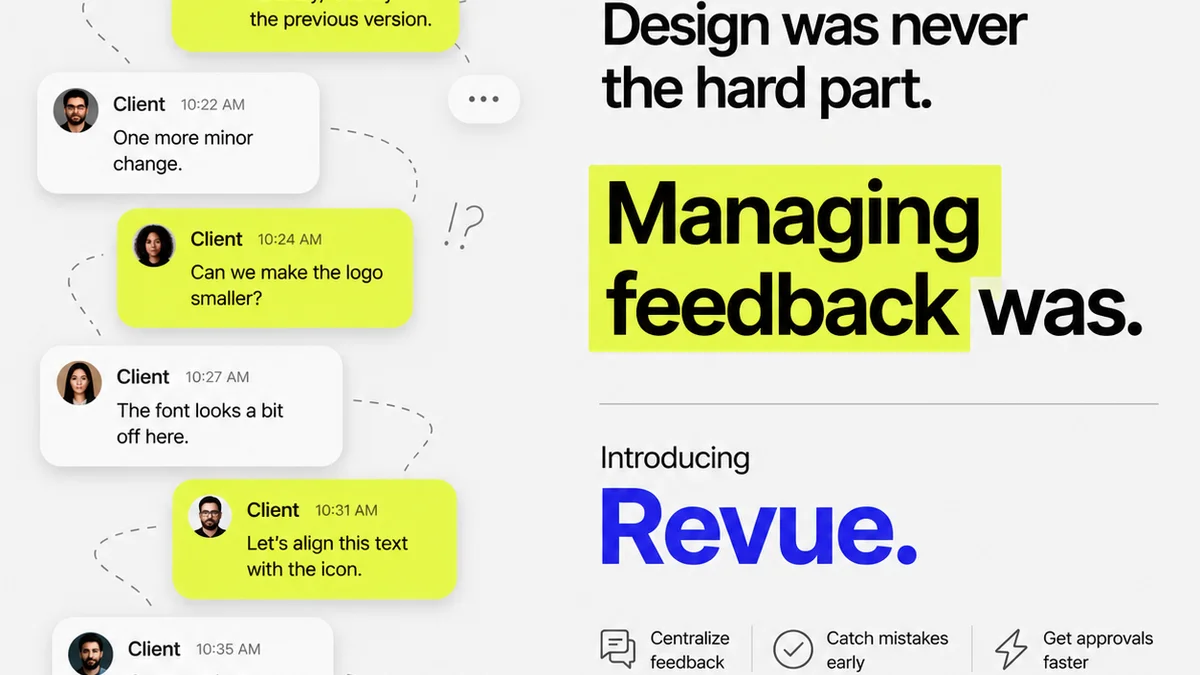
Everyone talks about streamlining creative workflows. They preach efficiency. They champion collaboration tools. None of that is wrong. But it’s incomplete.
The real bottleneck isn't the tools you use; it's the *process* you don't have. Specifically, a robust brand review workflow. This isn't just about getting feedback; it's about managing it, acting on it, and ensuring quality at every step. Agencies that nail this don't just deliver better work; they build stronger client relationships.
1. What is a Brand Review Workflow, Really?
At its core, a brand review workflow is a structured process for evaluating creative assets against brand guidelines and client objectives. It's the systematic way you move a piece of creative from concept to final approval, ensuring it’s not just aesthetically pleasing but also strategically sound and on-brand.
Think of it as the quality control gate for everything you produce. It’s where potential missteps are caught before they become costly errors.
The Common Misconception
Many teams assume a workflow is just a series of steps. Send it to the client. Get their comments. Make changes. Done. This is a linear, reactive approach. It assumes everyone is on the same page and that feedback will be clear, concise, and actionable.
This rarely happens. The reality is far messier.
The Hard Truth: It's a System, Not a Checklist
A true brand review workflow is a multi-stage system designed to:
- Centralize all feedback.
- Ensure feedback is constructive and relevant.
- Track revisions and approvals meticulously.
- Maintain brand consistency and strategic alignment.
- Reduce back-and-forth and minimize scope creep.
It requires defined roles, clear communication protocols, and a structured method for collecting and implementing feedback. Without this, you're essentially flying blind, hoping for the best.
2. The Anatomy of an Effective Workflow
A robust workflow can be broken down into several key phases. Each phase has a specific purpose and requires different inputs and outputs.
Phase 1: Internal Review & Quality Assurance
Before any creative ever sees the client, it needs a rigorous internal sniff test. This isn't just for typos. It's about strategic alignment, adherence to brand guidelines, and technical execution.
- Creative Director/Lead Review: Does it meet the brief? Is it innovative? Does it align with the brand's voice and tone?
- Brand Guideline Check: Is the logo used correctly? Are the colors and typography on point? Is the messaging consistent with established brand standards?
- Technical QA: Are files correctly formatted? Are there any rendering issues? Is it optimized for its intended medium (web, print, etc.)?
This internal gate prevents the most obvious issues from even reaching the client, saving time and maintaining your agency's reputation.
Phase 2: Client Feedback Collection
This is where many workflows break down. Unstructured feedback is a nightmare. The goal here is to make it as easy as possible for the client to provide clear, actionable input.
- Define the Reviewers: Who on the client side is authorized to give feedback? Limit this to key stakeholders to avoid conflicting opinions.
- Provide Context: Remind clients of the brief, objectives, and previous decisions. What are you trying to achieve with this asset?
- Structured Feedback Channels: Use a tool or method that allows for specific comments tied to specific elements. Avoid generic emails or
Frequently asked questions
What are the key benefits of a structured brand review workflow?
A structured workflow reduces errors, minimizes costly revisions, improves client communication, ensures brand consistency, and ultimately leads to faster project completion and higher client satisfaction.
How do I ensure client feedback is constructive?
Provide clients with clear context about the project goals and brand guidelines. Use a feedback tool that allows for specific, actionable comments tied to visual elements. Limit the number of reviewers to key stakeholders.
What's the difference between internal review and client review?
Internal review is your agency's quality control before client submission, checking for strategic alignment, brand consistency, and technical accuracy. Client review is the client's opportunity to provide input based on their business objectives and preferences, ideally within the framework established by the brand guidelines.
How can I avoid scope creep during the brand review process?
Clearly define the scope of work and the objectives upfront. Document all feedback and changes. If feedback falls outside the original scope, address it as a change order. A structured workflow with clear approval stages helps manage expectations and prevent scope creep.