Everyone agrees that brand governance is important. It’s the bedrock of consistency, the guardian of brand integrity, and the reason clients don’t end up with a Frankenstein’s monster of a visual identity. You’ve probably heard it needs to be documented, enforced, and communicated. None of that is wrong. But it’s incomplete.
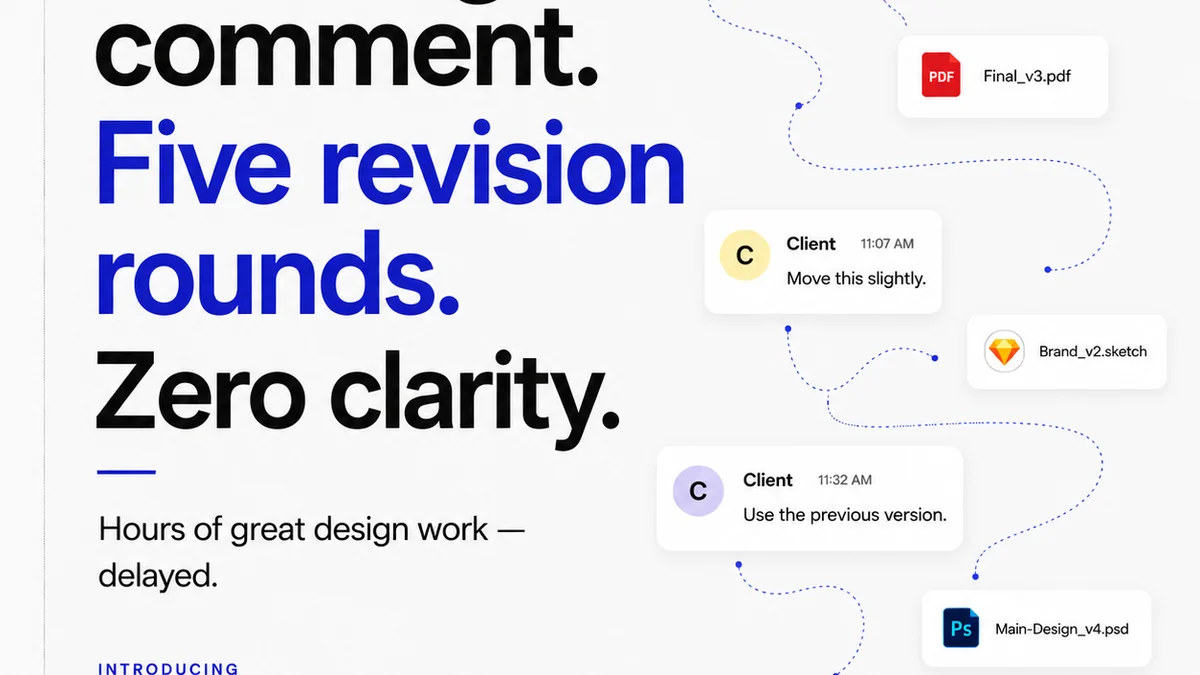
The hard truth is, most teams hear "brand governance" and picture endless meetings, rigid rules, and a general slowdown. They imagine a bureaucratic nightmare that chokes creativity and adds layers of approval nobody has time for. And honestly? They’re not entirely wrong about the *potential* outcome.
But that’s not what good brand governance looks like. It’s not about adding friction; it’s about building clarity and confidence into your workflow. It’s about making sure everyone, from the junior designer to the client, understands what the brand is and how to use it correctly, without creating bottlenecks.
Let’s cut through the noise. Here’s how to build robust brand governance that actually empowers your team, rather than paralyzing it.
1. Define
Frequently asked questions
What is brand governance?
Brand governance is the system of rules, processes, and responsibilities that ensure a brand is presented consistently and effectively across all touchpoints. It's about maintaining brand integrity and alignment.
How can brand governance avoid slowing down my team?
Effective brand governance streamlines workflows by providing clear guidelines and accessible resources, reducing ambiguity and the need for constant back-and-forth. It empowers team members to make confident decisions within established parameters.
What are the key components of a brand governance framework?
Key components include brand guidelines (visual and verbal), asset management, approval processes, roles and responsibilities, and a system for updates and education.
Who should be responsible for brand governance?
Responsibility can be shared. A dedicated brand manager or creative director often leads, but designers, marketers, and even account managers play a role in upholding the guidelines within their specific functions.