Everyone talks about creative ROI. They point to flashy campaigns, viral moments, or award wins. They assume that if you're good enough, the return will just… appear. That great creative work is a magic trick, and the ROI is the applause.
None of that is wrong. But it’s incomplete.
The hard truth is that great creative output is a system. And the ROI isn't applause; it's predictable, measurable, and repeatable profitability. This doesn't happen by accident. It’s built on a foundation of solid Standard Operating Procedures (SOPs).
Think SOPs are just for factories churning out widgets? Think again. For creative agencies and in-house teams, SOPs are the blueprints for turning creative talent into a reliable profit center. They’re how you stop leaving money on the table.
1. The Myth of the Free-Flowing Creative Genius
The common assumption is that creativity is inherently chaotic. That imposing structure kills the spark. That SOPs are the enemy of innovation.
This is a convenient excuse for operational sloppiness.
Real creative genius doesn't come from a vacuum. It thrives within clear boundaries and efficient processes. Think of a jazz musician improvising over a chord progression. The structure isn't a cage; it's the framework that allows for brilliant expression.
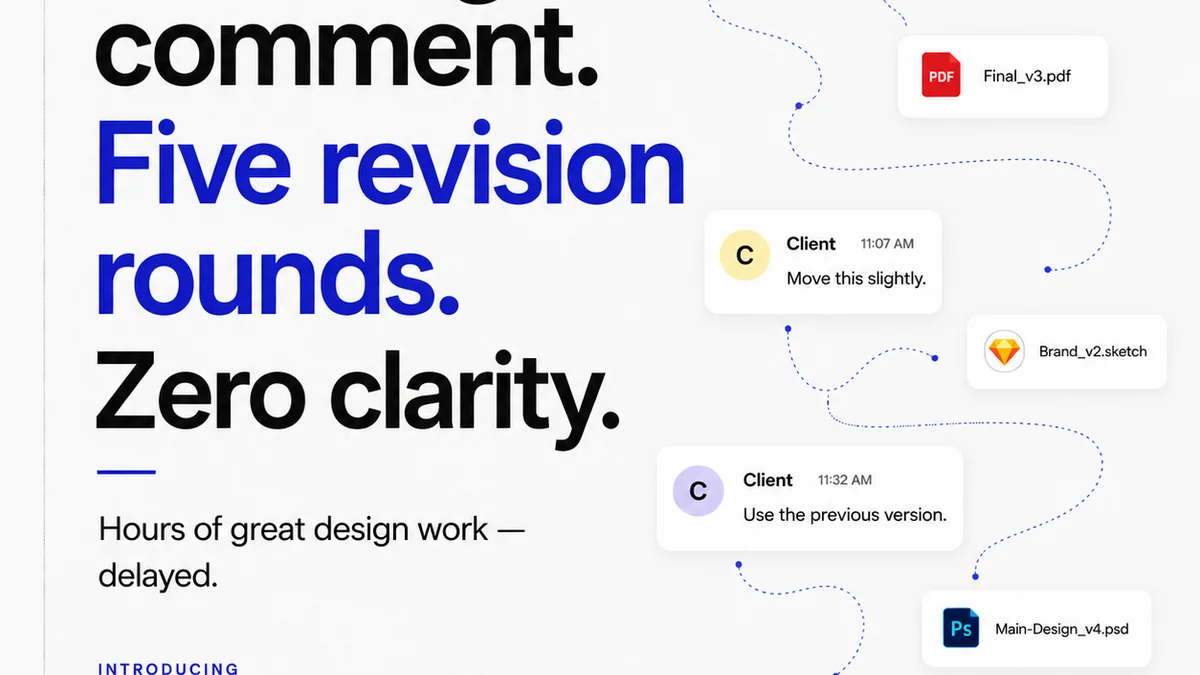
The Cost of Unstructured Chaos
What does this
Frequently asked questions
What exactly is a Standard Operating Procedure (SOP) in a creative context?
In a creative context, an SOP is a documented, step-by-step set of instructions for a recurring task or process. It ensures consistency, efficiency, and quality in creative work, from initial brief to final delivery, rather than just being for manufacturing.
How do SOPs directly impact creative ROI?
SOPs reduce wasted time and resources on rework, errors, and miscommunication. By streamlining workflows, ensuring consistent quality, and improving client feedback loops, they directly contribute to profitability and predictable revenue.
What are the first steps to building SOPs for my creative agency?
Start by identifying your most common, critical, or problematic workflows. Document them thoroughly, involving the team members who actually perform the tasks. Focus on clarity, conciseness, and ease of use.
Can SOPs stifle creativity?
No, not if done correctly. Well-designed SOPs provide a framework that frees up creative talent from administrative burdens and repetitive tasks, allowing them to focus on higher-level creative thinking and problem-solving. They define the 'how' so creatives can focus on the 'what' and 'why'.