Everyone thinks campaign design success is about stunning visuals and killer concepts. That’s the part clients see, and it’s important. But it’s only half the story.
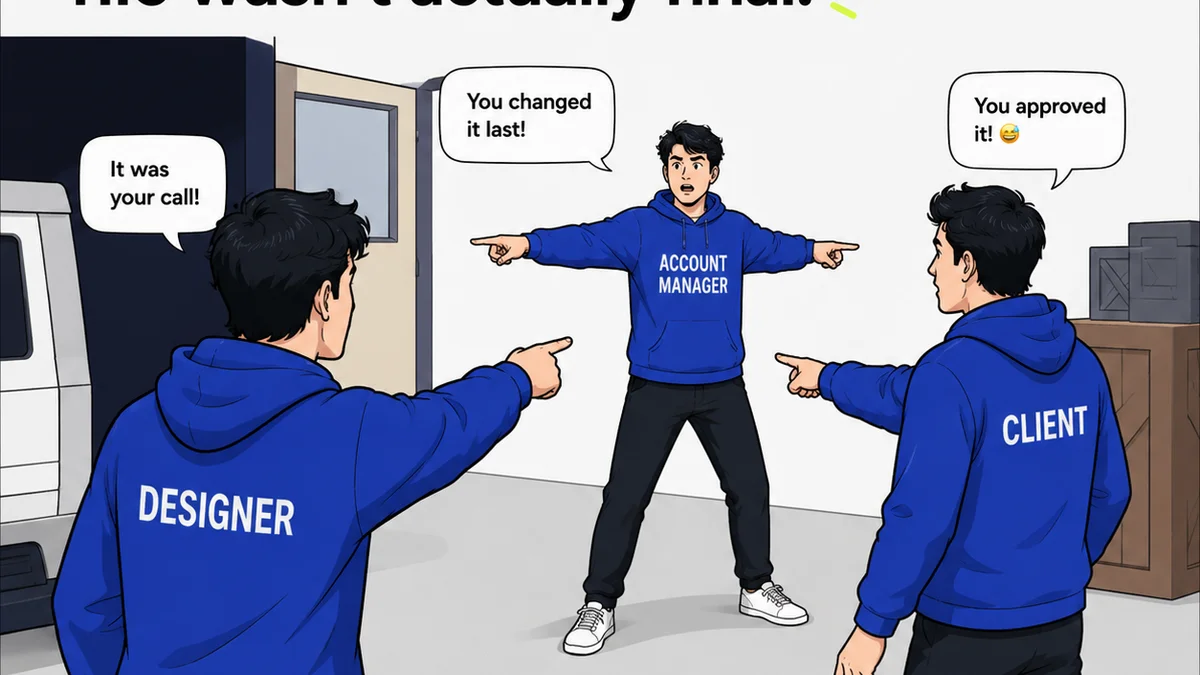
The real determinant of campaign design success isn't just creativity; it's ironclad operational execution. It’s about a system that catches errors before they hit the client, ensures every stakeholder is aligned, and makes revisions manageable, not agonizing.
1. Defining the Campaign Brief: The Unshakeable Foundation
A vague brief is a recipe for disaster. You need clarity from the jump. This means digging deeper than just the surface-level ask.
Understanding Objectives Beyond the Obvious
What does success *actually* look like? Is it brand awareness? Lead generation? Direct sales? Be specific.
- What are the measurable KPIs?
- Who is the precise target audience, and what are their pain points?
- What is the unique selling proposition (USP) for this campaign?
- What is the desired tone of voice?
- Are there any brand guidelines that *must* be adhered to?
If the brief is fuzzy, push back. It’s cheaper to clarify now than to redesign later.
Scope and Deliverables Clarity
What exactly are you being asked to create? A single social post? A full website redesign? A video ad series?
- List every single asset required.
- Define the format and specs for each asset (e.g., Instagram Story, 1080x1920px, MP4, 15s).
- Confirm the number of revision rounds included.
Scope creep is a silent killer of agency profitability and team morale. Nail this upfront.
2. Creative Development: From Concept to Concrete
This is where the magic happens, but it needs structure. Don't let creativity devolve into chaos.
Concept Validation and Alignment
Before diving deep into execution, ensure the core concept resonates with the brief and the client’s vision. This often involves mood boards, initial sketches, or narrative outlines.
- Present 2-3 distinct concepts.
- Clearly articulate the rationale behind each concept.
- Seek alignment on the chosen direction *before* full production.
Getting buy-in here prevents major directional shifts down the line.
Asset Creation Workflow
Break down the creation process into manageable stages. Who does what, and when?
- Assign clear ownership for each asset.
- Establish internal checkpoints for review (e.g., copy review, design review).
- Use a consistent file naming convention from day one.
Consistency saves time and prevents confusion, especially on large campaigns.
Technical Considerations
Design isn't just about aesthetics; it's about functionality. What technical constraints exist?
- Are there accessibility requirements (e.g., WCAG guidelines)?
- What are the platform-specific limitations (e.g., character counts, file sizes)?
- Are there animation or interactive elements to consider?
Ignoring these can lead to assets that look great but don't work in the real world.
3. Feedback and Revision Management: The Gauntlet
This is where most campaigns falter. Unstructured feedback leads to endless loops and frustrated teams.
Establishing a Clear Feedback Process
Who gives feedback? When? How? These questions need definitive answers.
- Designate a primary point of contact for feedback.
- Set clear deadlines for feedback delivery.
- Specify the format for feedback (e.g., annotated comments, structured document).
Avoid the dreaded
Frequently asked questions
What's the most common mistake agencies make in campaign design?
The most common mistake is focusing solely on the creative output while neglecting the operational processes that ensure its successful delivery. This includes unclear briefs, unstructured feedback loops, and poor revision management, all of which lead to scope creep, missed deadlines, and client dissatisfaction.
How can I ensure all stakeholders are aligned on campaign goals?
Alignment starts with a crystal-clear brief that defines specific, measurable objectives and KPIs. Regular check-ins and a designated primary point of contact for feedback are crucial. Presenting multiple concepts early and getting explicit sign-off on the chosen direction before full production also helps maintain alignment.
What are the key elements of effective revision management?
Effective revision management requires a structured process. This includes designating a primary feedback contact, setting clear feedback deadlines, specifying the format for feedback (e.g., annotations), and limiting the number of revision rounds. Centralizing feedback and tracking changes meticulously prevents miscommunication and endless iteration.
How does accessibility play a role in campaign design success?
Accessibility is critical for campaign design success because it ensures your message reaches the widest possible audience, including individuals with disabilities. Adhering to standards like WCAG not only broadens reach but also improves user experience for everyone, enhances SEO, and demonstrates brand responsibility.