Most agencies think campaign QA is a simple checklist. Proofread the copy, check the links, make sure the logo is there. None of that is wrong. But it’s incomplete.
The real truth? Effective campaign QA isn't just about catching errors. It’s about safeguarding your agency’s reputation, ensuring client satisfaction, and ultimately, driving better results. It’s a strategic function, not a tactical afterthought.
1. The Cost of Skipping Proper Campaign QA
What happens when QA falls by the wayside? It’s more than just embarrassing mistakes. It’s a cascade of problems that erode trust and impact the bottom line.
Think about it:
- Missed deadlines because of last-minute fixes.
- Client complaints about sloppy work.
- Damage to your agency’s brand reputation.
- Wasted budget on re-runs or fixes.
- Lost future business.
These aren't minor inconveniences. They are direct threats to your agency’s sustainability.
2. Defining Comprehensive Campaign Quality Assurance
Campaign QA needs to be a structured process, not a hit-or-miss effort. It covers multiple dimensions of your creative output.
What to Inspect
Beyond the obvious copy and link checks, a robust QA process includes:
- Brand Consistency: Does the campaign align with brand guidelines? Are colors, fonts, and tone of voice correct?
- Technical Accuracy: Do all digital assets load correctly across devices and browsers? Are file formats and sizes appropriate?
- Legal & Compliance: Are disclaimers, legal copy, and regulatory requirements met?
- User Experience (UX): Is the user journey intuitive? Are calls to action clear?
- Performance Metrics: Are tracking codes implemented correctly? Are URLs tagged for analytics?
- Creative Integrity: Does the final output match the approved brief and creative concept?
This is where the real value of thorough campaign QA shines through.
3. Building a Scalable QA Workflow
A haphazard approach to quality assurance won't scale as your agency grows. You need a system.
The Human Element
While tools are essential, human oversight remains critical. Different roles bring different perspectives:
- Junior Creatives/Designers: Often catch visual or copy errors with fresh eyes.
- Project Managers: Ensure alignment with the brief, budget, and timeline.
- Senior Leads/Art Directors: Validate creative quality and strategic fit.
- Dedicated QA Specialists: If you have the volume, a specialist ensures consistency.
Assign clear responsibilities. Make sure everyone knows what to look for.
Leveraging Technology
Manual checks are prone to error and slow things down. Technology can automate much of the heavy lifting.
Consider tools for:
- Automated Proofreading: Catch typos and grammatical errors instantly.
- Link Checking: Verify all URLs are active and correct.
- Cross-Browser/Device Testing: Ensure assets render properly everywhere.
- Accessibility Checks: Identify potential WCAG compliance issues.
The goal is to augment human review, not replace it entirely.
4. Where Revue Fits In
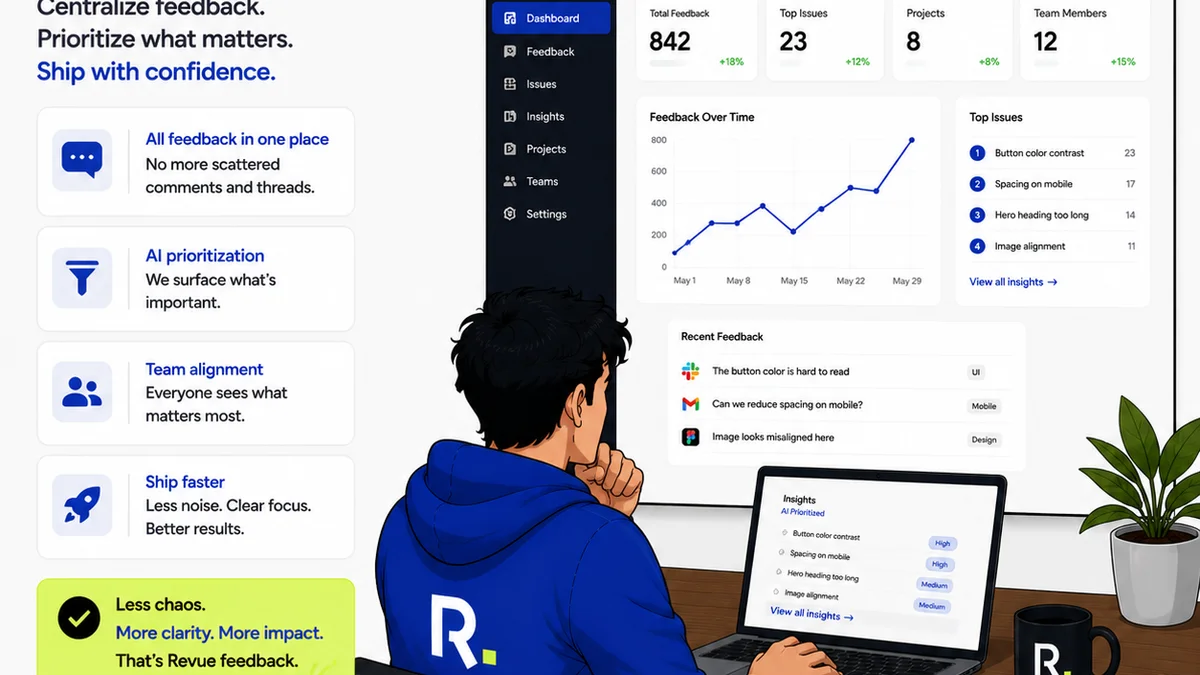
Managing feedback and revisions across multiple stakeholders can be a QA nightmare. This is where a centralized platform like Revue becomes indispensable.
Revue streamlines the entire feedback loop:
- Centralized Feedback: All client comments and internal reviews live in one place, attached to specific versions of creative assets. No more hunting through endless email chains or Slack messages.
- Version Control Visibility: Easily track revisions, see what feedback led to which changes, and understand the approval history. This clarity is vital for identifying potential misinterpretations or scope creep that can derail QA.
- Streamlined Approvals: Formalize the approval process, reducing ambiguity about when a piece of work is truly signed off. This prevents work from moving forward with outstanding questions.
- Integrated Quality Checks: By having all feedback and approvals documented, you create an auditable trail. This makes it easier to conduct post-campaign reviews and ensure that all QA steps were followed before launch.
Revue helps ensure that the creative work being reviewed is the *latest* approved version, and that all feedback has been addressed systematically. This dramatically reduces the risk of errors slipping through the cracks due to miscommunication or outdated files.
5. Common QA Pitfalls and How to Avoid Them
Even with a process, agencies stumble. Be aware of these traps:
- Relying on a Single Reviewer: One person’s eyes can miss things.
- Vague Feedback: “Make it pop” is useless. Specificity is key.
- Ignoring Mobile/Cross-Platform: What looks good on desktop might break on a phone.
- Late-Stage QA: Trying to cram QA into the final hours before launch is a recipe for disaster.
- Not Documenting Everything: If it’s not recorded, did it even happen?
Proactive measures are always better than reactive damage control.
6. The Psychological Impact of Great QA
Beyond the operational benefits, consistent, high-quality output builds a powerful internal culture.
When your team knows that rigorous QA is standard, they:
- Feel more confident in their work.
- Are less stressed about last-minute emergencies.
- Take more pride in delivering polished campaigns.
This positive reinforcement cycle leads to happier teams and better client relationships.
Final Thought
Is your agency treating campaign QA as a necessary evil, or as a critical driver of success? The difference isn't just about catching typos; it's about building a reputation for excellence that clients can rely on, project after project.
Frequently asked questions
What is the primary goal of campaign QA for an agency?
The primary goal of campaign QA for an agency is to ensure that all creative assets and campaign elements are error-free, consistent with brand guidelines, technically sound, and strategically aligned before launch. This safeguards the agency's reputation, ensures client satisfaction, and maximizes campaign effectiveness.
How can creative agencies improve their campaign QA process?
Agencies can improve campaign QA by implementing a structured workflow, defining clear roles and responsibilities, leveraging technology for automated checks, ensuring comprehensive testing across devices and platforms, and fostering a culture where quality is prioritized at every stage.
What are the key components of a comprehensive campaign QA checklist?
A comprehensive campaign QA checklist should include checks for brand consistency (logos, colors, fonts), copy accuracy (typos, grammar), link functionality, technical performance (load times, rendering), legal compliance, accessibility, and alignment with the approved creative brief and strategic objectives.
How does a centralized feedback platform like Revue help with campaign QA?
A platform like Revue centralizes feedback and approvals, provides clear version control, and documents the entire review process. This reduces miscommunication, ensures all feedback is addressed systematically, and creates an auditable trail, all of which are critical for effective quality assurance before campaign launch.