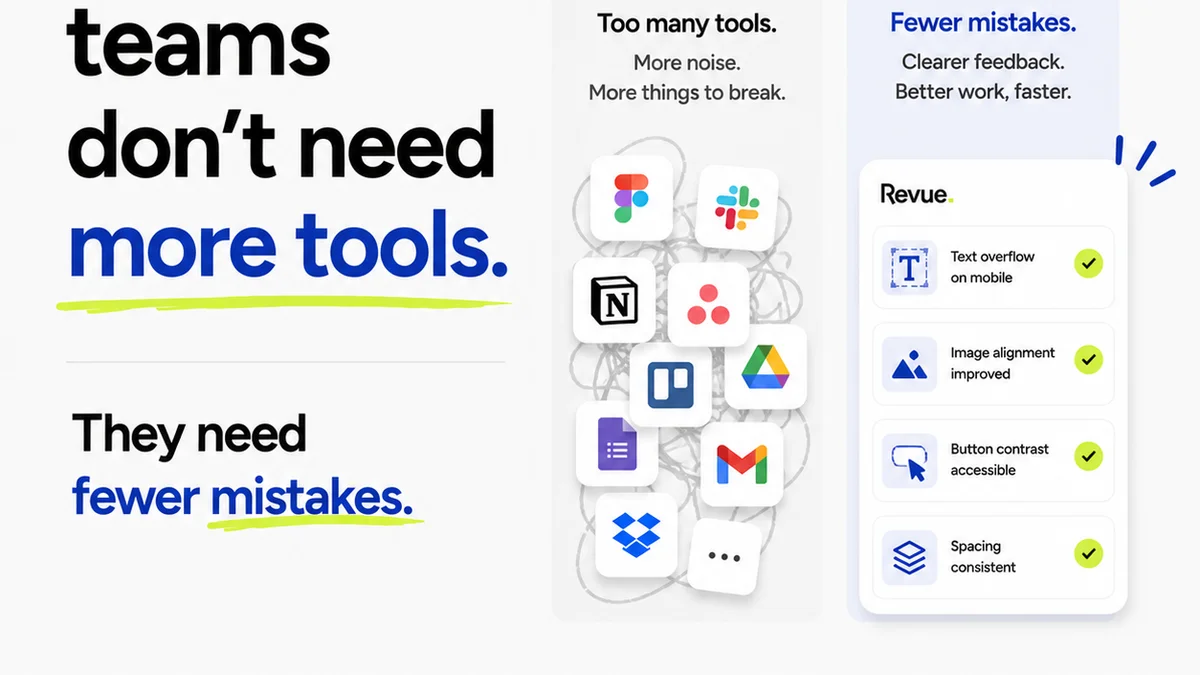
Agencies are built on creativity. We pride ourselves on innovation, speed, and delivering knockout work. It’s easy to assume that managing feedback on that work is just… part of the process. A necessary evil, maybe, handled by a mix of email, Slack, and the occasional frantic phone call.
None of that is wrong. But it’s incomplete.
The hard truth? Relying on scattered communication channels for client feedback isn't just inefficient; it’s actively sabotaging your agency’s profitability, client relationships, and your team’s sanity. It’s a hidden cost that erodes margins and breeds frustration.
1. The Illusion of Control: Why Scattered Feedback Kills Efficiency
You’ve got a client, a project, and a creative deliverable. The feedback loop starts. Someone forwards an email. Someone else pastes a Slack message into a document. A third person leaves a comment on a PDF that’s already three versions old.
Sound familiar?
This is the default for many agencies. It feels like you’re getting feedback, but you’re not managing it. You’re reacting to it. And reacting is always slower and more expensive than acting with clear direction.
The Symptoms of Scattered Feedback
- Endless email chains with subject lines like “Re: Re: Re: FINAL FEEDBACK (Seriously This Time!)”
- Crucial comments buried in Slack channels, only to be forgotten days later.
- Version control nightmares where no one is quite sure which file is the *actual* latest.
- Clients who say, “I told you that last week!” when you’ve never seen it.
- Team members wasting hours hunting for context or clarification.
- The dreaded “scope creep” that isn’t really scope creep, just poor communication.
This isn't just about minor annoyances. This is about billable hours evaporating. This is about junior designers getting conflicting instructions. This is about account managers spending more time chasing feedback than strategizing.
2. The Hidden Costs: More Than Just Wasted Time
It’s easy to write off a few lost hours here and there. But these inefficiencies compound. Think about the ripple effect:
A missed piece of feedback on a banner ad might mean a costly reshoot or a completely redone campaign element. A client’s vague comment, misinterpreted due to lack of context, can lead to revisions that miss the mark, requiring *more* revisions.
Financial Leaks in Your Workflow
- Billable Hours Sunk: Time spent searching for feedback or clarifying instructions is time not spent on billable work.
- Rework & Redos: Misunderstandings lead to work that needs to be redone, eating into profit margins.
- Client Dissatisfaction: Slow, messy feedback processes frustrate clients, damaging relationships and future business.
- Missed Deadlines: Inefficient communication inevitably slows down the entire project timeline.
- Team Burnout: Constant context-switching and frustration take a toll on your creative teams.
Your team’s expertise is your agency’s most valuable asset. When they’re bogged down in administrative chaos, that expertise isn't being leveraged effectively. That’s a direct hit to your bottom line.
3. The Client Experience: From Frustration to Partnership
Clients hire agencies for expertise and ease. They expect a smooth, professional process. When feedback becomes a chore for them – digging through emails, trying to remember what they said – they don’t feel partnered with; they feel inconvenienced.
A clear, centralized system transforms this. It shows clients you have your act together. It makes it easy for them to provide feedback, and easy for you to track it.
Elevating the Client Interaction
- Clarity: Clients see exactly what feedback is needed and where.
- Accountability: Both client and agency know what’s been said, by whom, and when.
- Transparency: No more
Frequently asked questions
What is a centralized creative review system?
A centralized creative review system is a single platform or tool where all feedback, comments, revisions, and approvals for creative assets (like designs, videos, or copy) are managed and tracked. It eliminates the need to sift through scattered emails, chat messages, or documents.
How does a centralized system save an agency money?
It saves money by drastically reducing the time teams spend searching for feedback, clarifying instructions, and managing version control. This reclaimed time can be spent on billable work. It also minimizes costly rework caused by miscommunication and helps prevent scope creep due to unclear feedback.
Can a centralized system improve client relationships?
Absolutely. It provides clients with a clear, transparent, and easy way to give feedback, making them feel more involved and less frustrated. This professional approach builds trust and demonstrates efficiency, leading to greater client satisfaction and repeat business.
What are the key features to look for in such a system?
Key features include clear annotation tools directly on creative assets, version history tracking, user-specific commenting and approval workflows, integration with other project management tools, and robust reporting on feedback and approval status.