Most agencies think client reviews are just about getting sign-off. A necessary evil, a box to tick before you can move on.
None of that is wrong. But it’s incomplete.
The hard truth? Client reviews are the single most critical touchpoint for aligning expectations, ensuring quality, and building trust. Mess them up, and you’re not just facing revisions; you’re risking the entire project and the client relationship.
1. The Myth of 'Simple Feedback'
It’s easy to fall into the trap of thinking client feedback is straightforward. They see the work, they tell you what they like and don't like, and you implement the changes.
This linear view ignores the messy reality of creative work and client perception.
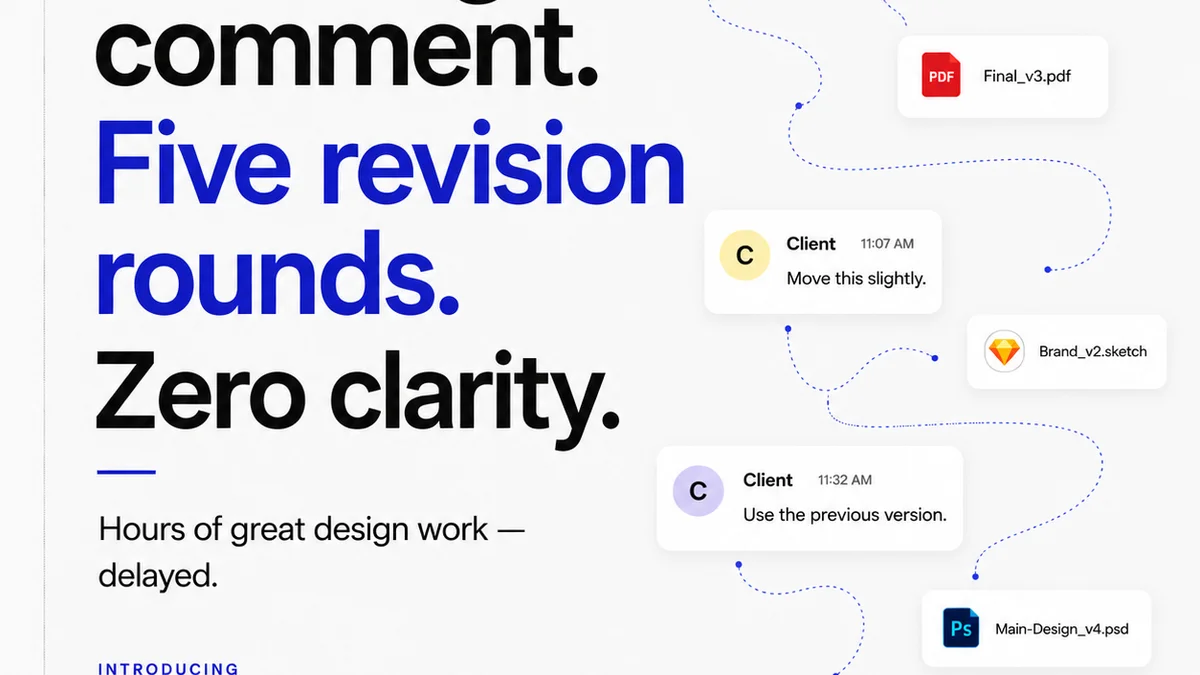
Why Feedback Isn't Always Clear
- Clients often don't have the vocabulary to articulate their vision.
- They might be reacting to surface-level aesthetics without understanding the strategic intent.
- Internal client politics can lead to conflicting or unclear direction.
- They might not fully grasp the scope or technical constraints.
This isn't a criticism; it's an operational reality. Your job isn't just to receive feedback; it's to interpret it, clarify it, and translate it into actionable steps.
2. Setting the Stage for Productive Reviews
The review process starts long before the client sees the work. It begins with a solid foundation.
Defining Success Upfront
What does a successful outcome look like? This needs to be crystal clear from day one.
- Agreed-upon objectives and KPIs.
- Defined target audience and their needs.
- Clear scope of work and deliverables.
- Established brand guidelines and tone of voice.
Without this clarity, feedback becomes subjective and unmanageable. You're building a house without blueprints and then wondering why the client doesn't like the color of the foundation.
Establishing a Review Cadence
Don't wait until the final deliverable to get feedback. Regular check-ins are crucial.
- Milestone reviews (e.g., concept, wireframes, first draft).
- Scheduled feedback sessions, not ad-hoc emails.
- Clear timelines for feedback submission.
This prevents massive course corrections late in the game.
3. The Art of the Review Meeting
This is where many agencies stumble. They treat review meetings like a passive Q&A.
They're not. They're strategic alignment sessions.
Facilitating, Not Just Presenting
Your role in a review meeting is to guide the conversation, not just present the work.
- Start by reiterating the project goals and the specific objectives of this review stage.
- Frame the work within the context of those goals.
- Ask probing questions: “How does this approach address X objective?” or “What specific concern does this element raise for Y goal?”
This shifts the focus from personal preference to objective performance.
Managing Different Stakeholders
You'll often have multiple people from the client side. They won't always agree.
- Identify the key decision-maker beforehand.
- Encourage constructive dialogue, not a shouting match.
- Note down all feedback, even conflicting points, for later clarification.
Your goal is to extract a unified client perspective, not just a collection of individual opinions.
4. Decoding and Actioning Feedback
The feedback is in. Now what?
This is where operational rigor saves the day.
The Feedback Triage
Not all feedback is created equal. You need a system.
- Strategic Alignment: Does this feedback directly support or contradict the agreed-upon objectives?
- Scope Creep: Does this feedback represent a significant addition to the original scope?
- Feasibility: Can this feedback be implemented technically and within budget/timeline?
- Subjectivity: Is this feedback a matter of personal taste, or is there a deeper rationale?
Categorize each piece of feedback against these criteria.
Translating to Action
Vague feedback needs clarification. Bold feedback needs justification.
If a client says, “I don’t like it,” you need to ask why. “What specifically feels off?” “What were you hoping to achieve with this element?”
If they suggest a major change, ensure it aligns with the project goals. If it doesn't, explain why. This is where you earn your fee as a strategic partner.
5. The Revision and Approval Loop
This is the engine of iteration.
Too many teams treat revisions as a black hole where work disappears and reappears vaguely improved.
Visibility is Key
Clients need to see the progress and understand the rationale behind changes.
- Track revisions clearly.
- Show what was changed and why, referencing the feedback provided.
- Use a clear approval process to move from one stage to the next.
This builds confidence and reduces anxiety on both sides.
Avoiding the 'Endless Revision' Trap
This is a common pitfall. You deliver, they ask for tweaks, you deliver, they ask for more tweaks, and so on.
- Refer back to the agreed scope and objectives.
- Clearly define the number of revision rounds included.
- Use a formal sign-off process for each stage.
If new requests arise that are outside the scope, flag them as such and discuss potential change orders.
Where Revue Fits In
Managing client reviews effectively is an operational challenge. It requires structure, visibility, and clear communication.
This is precisely what Revue is built for.
Revue centralizes client feedback, providing a single source of truth. Instead of chasing down emails and Slack messages, all comments, annotations, and discussions live directly on the version of the creative work being reviewed.
This means less time spent deciphering conflicting feedback and more time focused on making the right changes. You get clear visibility into the revision history, understanding exactly what was requested, what was changed, and who approved what. This streamlines the entire approval process, reducing friction and accelerating project timelines.
Ultimately, it transforms client reviews from a chaotic hurdle into a structured, collaborative process that drives quality and client satisfaction.
Final Thought
Client reviews aren't just a procedural step; they are a strategic opportunity. They are your chance to demonstrate not just your creative skill, but your partnership, your clarity, and your operational excellence.
Are you treating them as such?
Frequently asked questions
What's the most common mistake agencies make with client reviews?
Treating them as a passive feedback-gathering step rather than an active strategic alignment session. This leads to unclear direction, scope creep, and misaligned expectations.
How can I ensure client feedback is actionable?
Establish clear project objectives and success criteria upfront. During review meetings, ask probing questions to understand the 'why' behind the feedback, linking it back to project goals, not just personal preference.
What if clients give conflicting feedback?
Identify the key decision-maker. Note all feedback, even conflicting points, and then facilitate a discussion with the client to clarify priorities and reach a unified direction before proceeding with revisions.
How can I prevent endless revision cycles?
Clearly define the number of revision rounds in your scope of work. Use a formal sign-off process after each defined stage. If clients request changes outside the agreed scope, flag them and discuss change orders.