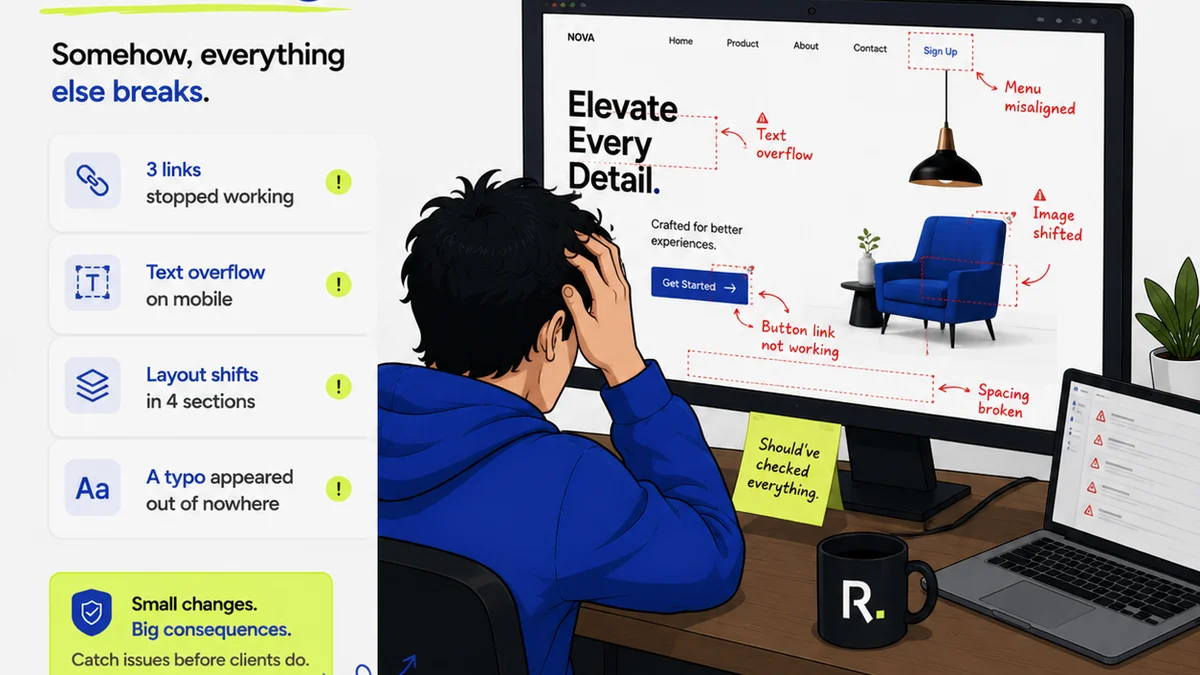
Everyone thinks mastering client reviews is about having the perfect email template or a foolproof process for chasing down stray feedback. None of that is wrong. But it’s incomplete.
The hard truth? Leading agencies don't just manage client reviews; they engineer them. They build systems that turn feedback from a bottleneck into a catalyst for better creative work.
1. The Illusion of 'Getting It Right the First Time'
We all aim for perfect first rounds. It’s the dream scenario: client loves it, signs off, everyone moves on. But in reality, client feedback is rarely a straight line.
It’s a negotiation. It’s a collaboration. It’s often a reflection of evolving business goals or a nuanced understanding that only emerges through discussion.
Feedback is a Feature, Not a Bug
Expecting zero revisions is like expecting a sculptor to nail the final polish on the first chisel strike. It’s unrealistic and ignores the iterative nature of creative development.
- Client priorities shift.
- Market conditions change.
- Stakeholders see new possibilities.
- Your initial concept sparks new ideas.
The real skill isn’t avoiding feedback; it’s building a framework that makes feedback productive. It’s about creating clarity from complexity.
2. The Cost of 'Informal' Feedback
The biggest drain on agency time and profit isn't necessarily the revisions themselves. It's the chaos surrounding them.
Think about it. How much time is lost digging through email chains? Trying to decipher vague comments? Chasing down that one stakeholder who replied on a personal phone?
This isn't just inefficient; it erodes profitability and morale.
The 'Reply All' Nightmare
When feedback lives in scattered inboxes, it becomes a game of 'who saw what.' Important context gets lost. Decisions are made in a vacuum.
This leads to:
- Duplicated effort.
- Misunderstandings about scope.
- Endless 'clarification' calls.
- Projects drifting off budget and timeline.
Your team spends more time managing communication than doing the actual creative work. That’s a direct hit to your bottom line.
3. Building a Single Source of Truth
Leading agencies treat client feedback like any other critical project asset. It needs a home. It needs to be organized. It needs to be accessible.
This means moving away from fragmented communication channels and towards a centralized system.
The Power of Centralization
Imagine a world where every piece of feedback, every revision, every approval lives in one place. Accessible to everyone on the team and the client.
This isn't about controlling the client; it's about controlling the process.
- All comments are logged with context.
- Revision history is clear and transparent.
- Approvals are unambiguous.
- Scope creep is immediately visible.
This single source of truth transforms review cycles from a source of anxiety into a streamlined, predictable part of the workflow.
4. Defining the 'Done' for Feedback
When does feedback stop? When is a revision truly approved? Most agencies struggle with this because the process is ill-defined.
Leading agencies establish clear checkpoints and expectations upfront.
Beyond 'Looks Good'
A simple 'looks good' from a client is often a trap. What does it *really* mean? Does it mean they've reviewed the final pixel alignment, or just the overall concept?
You need to define:
- What constitutes a formal review round.
- Who the final approver is.
- What level of detail is expected in feedback.
- What happens when feedback is conflicting.
This clarity prevents endless back-and-forth and ensures that everyone is working towards a shared definition of 'done'.
5. Integrating Quality Control Early and Often
Quality control isn’t just a final step. It’s woven into the entire review process.
By having a structured way to capture and act on feedback, you naturally build in checks and balances.
Proactive Problem Solving
When feedback is centralized and transparent, potential issues are flagged much earlier. Your team can address them before they become major problems.
This allows you to:
- Ensure brand consistency across all assets.
- Verify that all technical specifications are met.
- Confirm that the creative aligns with the original brief.
- Identify and mitigate risks before final delivery.
This proactive approach saves time, reduces costly rework, and consistently elevates the quality of the final output.
Where Revue Fits In
This is precisely why Revue was built. We understand the operational drag of messy client feedback.
Revue provides a central hub for all your creative assets and client feedback. No more hunting through emails or Slack.
You can:
- Upload proofs and gather consolidated feedback in one place.
- Track every revision and approval with clear version history.
- Get instant visibility into the review status of any project.
- Ensure every team member and client is working from the latest, approved version.
It’s about bringing order to the chaos, so your team can focus on what they do best: creating exceptional work.
Final Thought
Mastering client reviews isn't about having more control over the client. It's about having more control over your process.
Are you managing feedback, or is feedback managing you?
Frequently asked questions
What is the biggest mistake agencies make with client reviews?
The biggest mistake is treating client feedback as an unpredictable event rather than a process to be engineered. Agencies often rely on scattered communication methods like email, leading to lost context, duplicated effort, and scope creep.
How can agencies make client feedback more productive?
By establishing a centralized system for all feedback and revisions. This creates a single source of truth, ensures transparency, and makes it easier to track progress and manage expectations. Defining clear review rounds and approval processes is also crucial.
What are the benefits of a centralized feedback system?
A centralized system reduces time spent searching for information, minimizes misunderstandings, provides clear revision history, makes scope creep visible, and ensures everyone is working with the latest approved versions. This leads to increased efficiency, profitability, and better creative outcomes.
How do leading agencies handle conflicting client feedback?
Leading agencies define clear approval workflows and identify the ultimate decision-maker upfront. They use their centralized system to document conflicting feedback, facilitating discussion and ensuring that the final decisions align with project goals and scope.