Everyone knows that consistent branding looks professional. A logo that’s the same everywhere, colors that don’t shift, a tone of voice that stays on message. It’s the basics, right?
None of that is wrong. But it’s incomplete.
The real reason consistent branding builds customer trust isn’t aesthetics. It’s predictability. And predictability is the bedrock of reliability in business.
Think about it. When you interact with a brand, what are you really looking for?
- A predictable experience.
- A predictable level of quality.
- A predictable way of being treated.
- A predictable outcome.
When a brand is all over the place – different logos, different tones, different promises – it signals chaos. It suggests a lack of internal control. Why would a customer trust someone who can’t even get their own house in order?
This isn't just a surface-level issue. It runs deep into operational efficiency and how a company actually functions. Let’s break down why.
1. The Predictability Principle: From Logos to Operations
It starts with the visual. A consistent logo, color palette, and typography. These are the most obvious signals of a unified brand.
But they are just the tip of the iceberg. This visual consistency is a proxy for something far more important: internal consistency.
If the marketing team uses the right logo, and the sales team uses the right logo, and the product team uses the right logo – that's a sign of alignment.
When that alignment breaks down, the customer feels it.
The Ripple Effect of Inconsistency
Imagine a customer sees a sleek, modern ad. They click through, expecting a cutting-edge website. Instead, they land on an outdated, clunky interface with a different logo.
Or they hear a confident, authoritative voice in a podcast ad, only to be met with a hesitant, unsure tone from customer support.
These aren't isolated incidents. They are symptoms of a deeper operational disconnect.
This disconnect erodes trust faster than a bad product ever could.
2. The Language of Reliability: Tone of Voice and Messaging
Your brand’s tone of voice is more than just words. It’s a personality.
Is your brand helpful and friendly? Authoritative and expert? Playful and innovative?
Whatever it is, it needs to be consistent across every single touchpoint.
A customer expects the same level of service and communication from your support team as they do from your marketing emails.
When Messaging Goes Rogue
Consider the classic example: a company that positions itself as a premium, exclusive brand in its advertising, but then bombards its email list with constant, low-value discount offers.
The messaging is contradictory.
The customer is left confused. Are you high-end, or are you a bargain bin?
This confusion breeds distrust. It suggests the brand doesn't know who it is, or worse, it's willing to say anything to make a sale.
Authenticity is built on consistent communication. If your words don't match your actions, or your different messages don't match each other, your audience will eventually stop listening.
3. The Experience Ecosystem: Seamlessness Breeds Loyalty
Branding isn’t just about what you say or show; it’s about what you do.
The entire customer journey needs to feel cohesive.
From the initial website visit to the purchase, to the onboarding process, to ongoing support – it should all feel like it belongs to the same, well-managed entity.
This isn't about perfect UX design everywhere (though that helps). It's about the underlying operational processes that deliver that experience.
When the Experience Cracks
A customer buys a product online. They expect a clear confirmation email, a reliable shipping notification, and a straightforward return policy.
If the confirmation email is riddled with typos, the shipping updates are late, and the return process is a bureaucratic nightmare, the brand has failed.
The visual branding might have been perfect, but the operational delivery was not.
This is where trust is truly tested. A seamless, predictable experience signals that a company is competent and cares about its customers.
Inconsistency in experience suggests the opposite: disorganization, indifference, or incompetence.
4. The Promise Keeper: Delivering on Expectations
Every brand makes promises, explicit or implicit.
A promise of quality. A promise of speed. A promise of innovation. A promise of support.
Consistent branding is the visual and verbal manifestation of those promises.
But the real test comes when the brand has to *deliver* on those promises, consistently.
The Trust Deficit
If your brand promises durability, but your products break easily, the trust evaporates.
If you promise fast support, but customers wait days for a response, the trust erodes.
If you promise innovation, but your offerings stagnate, the trust weakens.
This isn't a branding problem; it's an operational problem that branding exposes.
Your external brand identity must be a reflection of your internal capabilities and commitments.
When they align, you build deep, lasting trust. When they don't, you build a reputation for unreliability.
Where Revue Fits In
Managing client feedback, revisions, and approvals can quickly become a chaotic mess if not handled with a clear, consistent process.
This is precisely where trust is built or broken with clients.
Inconsistent feedback loops, missed revisions, unclear approval statuses – these operational hiccups directly undermine the client’s confidence in your agency’s ability to deliver.
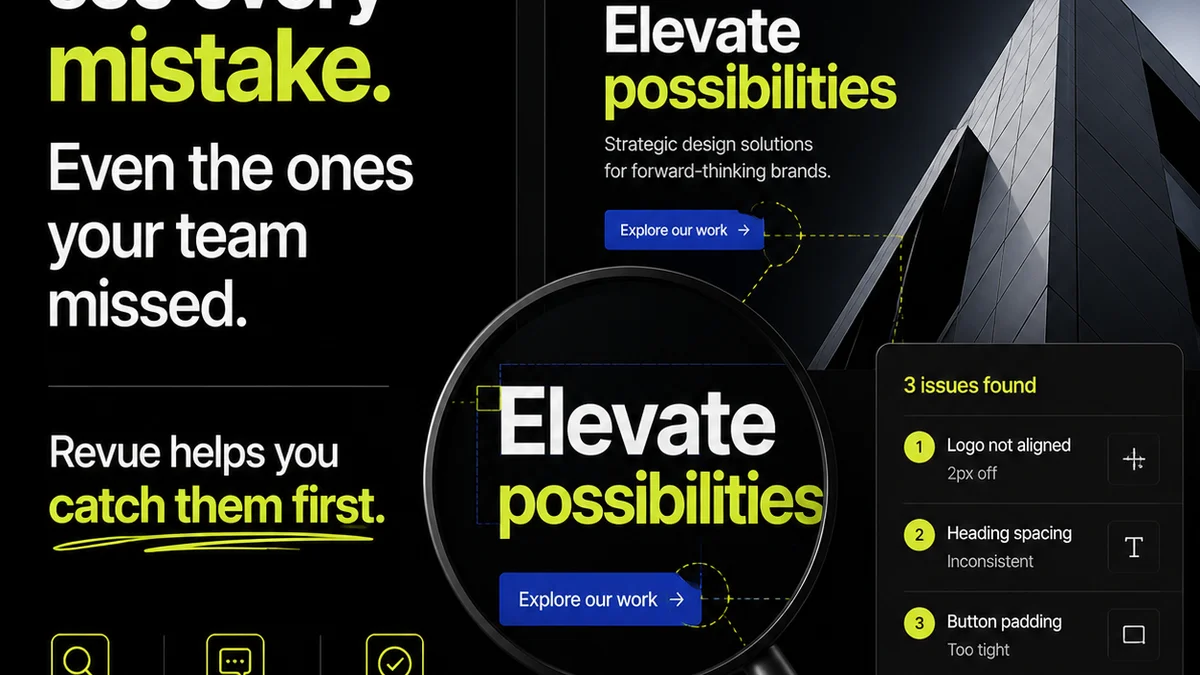
Revue provides a centralized platform designed to bring order to this creative chaos.
By streamlining feedback collection, organizing revision history, and providing clear visibility into approval workflows, Revue helps ensure that your agency’s delivery process is as consistent and reliable as your brand promises.
This operational consistency translates directly into client trust. They see a well-oiled machine, not a frantic scramble.
When you manage feedback and approvals predictably, you demonstrate competence and build confidence.
Final Thought
Is your branding just a pretty face, or is it a true reflection of your operational integrity?
The most trusted brands aren’t just visually consistent; they are operationally reliable. They do what they say, and they do it predictably, every single time.
How well does your current workflow support that kind of predictable excellence?
Frequently asked questions
What is the primary benefit of consistent branding for customer trust?
The primary benefit is not just looking professional, but creating predictability. Customers trust brands that are consistent because it signals reliability, competence, and internal organization.
How does tone of voice contribute to brand trust?
A consistent tone of voice across all communications (marketing, sales, support) reinforces the brand's personality and promises. Inconsistent tones can confuse customers and suggest a lack of authenticity or internal alignment.
Can a visually appealing brand still lack customer trust?
Absolutely. If the visual branding is strong but the customer experience, product quality, or service delivery is inconsistent, trust will erode. Operational reliability is key, and branding should reflect that.
How does internal operational consistency relate to external branding?
External branding should be a direct reflection of internal operations. When marketing, sales, and product teams are aligned and deliver a cohesive experience, it reinforces the brand's promises and builds trust. Inconsistency signals operational weakness.
How can agencies ensure their branding reflects operational reliability?
Agencies can ensure this by establishing and adhering to consistent internal processes for everything from client communication and feedback management to project delivery and revisions. Tools like Revue help centralize and streamline these operations, making delivery more predictable and thus, more trustworthy.