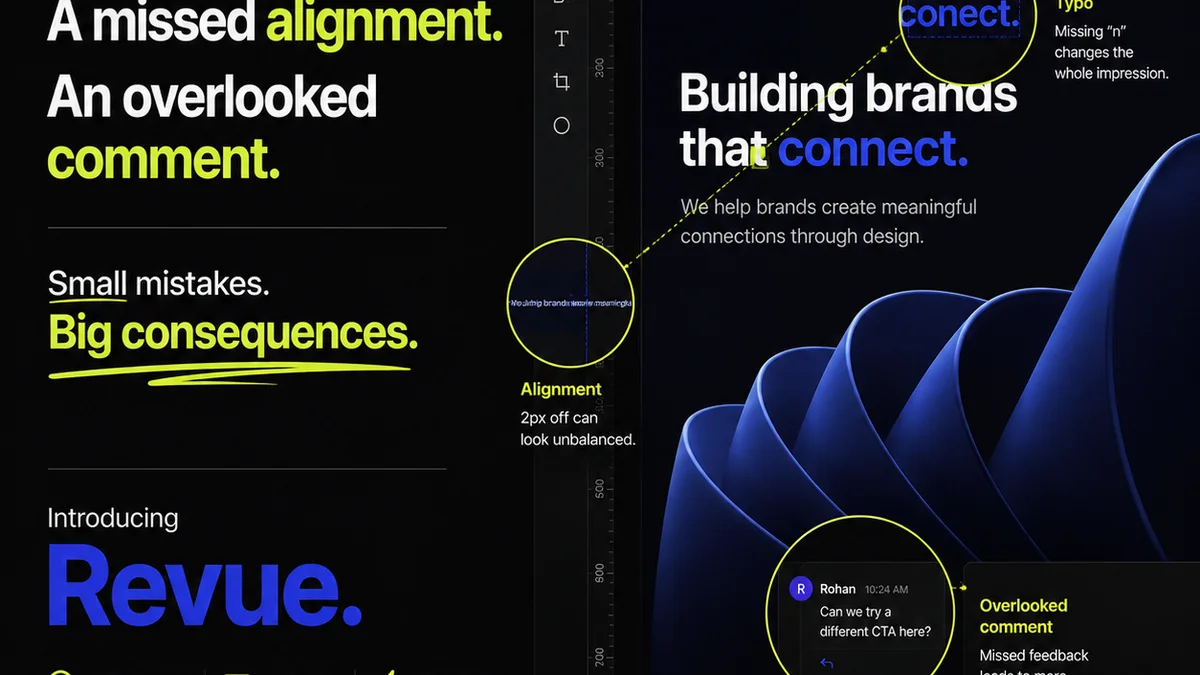
Everyone thinks top creative agencies are just packed with geniuses. That their output is a direct result of sheer, unadulterated talent. That a lightning strike of brilliance hits the same desk, day after day.
None of that is wrong. But it’s incomplete.
The real reason some agencies consistently knock it out of the park isn't magic. It's mechanics.
It’s about the relentless, often invisible, operational scaffolding that supports creativity. It’s about building a system that makes high quality not an occasional miracle, but a predictable outcome.
The Hard Truth: Quality Is Built, Not Born
Talent gets you in the door. Process keeps you there, and keeps clients coming back.
Agencies that nail consistent quality aren't just lucky. They’ve engineered their workflows to:
- Standardize client communication.
- Streamline revision cycles.
- Implement rigorous internal checks.
- Ensure everyone, from junior designer to senior strategist, understands and adheres to quality standards.
This isn't about stifling creativity. It's about giving it the best possible environment to flourish, predictably.
1. Standardizing the Brief: The Foundation of Everything
You can't build a skyscraper on shaky ground. The same applies to creative projects.
A vague or incomplete brief is the most common culprit behind missed expectations and inconsistent quality. Top agencies treat the brief not as a formality, but as a critical project artifact.
The 'Why' Behind the 'What'
It’s not enough to know *what* the client wants. You need to understand *why*.
A great brief digs into:
- Business objectives: What problem is this creative solving for the client?
- Target audience: Who are we trying to reach and influence?
- Key message: What is the single most important takeaway?
- Success metrics: How will we know if this is effective?
- Mandatories & constraints: What absolutely must be included or avoided?
- Brand guidelines: What are the non-negotiables for brand representation?
The Briefing Session: More Than a Meeting
This isn't just about handing over a document. It’s a collaborative interrogation.
Top agencies use the briefing session to:
- Clarify ambiguities in real-time.
- Uncover unspoken needs or assumptions.
- Build shared understanding and buy-in from the client.
- Document decisions and agreements.
This session should result in a crystal-clear, actionable document, signed off by the client, before any creative work begins.
2. Streamlining Feedback & Revisions: The Gauntlet of Iteration
Client feedback is essential. But it can also be the destroyer of quality and timelines if unmanaged.
Inconsistent feedback, conflicting opinions, and endless revision rounds are symptoms of a broken process, not a difficult client.
Centralizing Communication
Scattered feedback across emails, Slack messages, and random calls is a recipe for disaster.
Key communication needs to be:
- Recorded in one place.
- Accessible to the entire project team.
- Timestamped and attributed.
This prevents crucial details from getting lost and ensures everyone is working from the same, most up-to-date information.
Structured Feedback Loops
Vague feedback like “make it pop” or “I don’t like it” is useless. Top agencies train clients and their own teams to provide specific, actionable feedback.
This involves:
- Designating clear points of contact for feedback.
- Setting expectations for turnaround times.
- Using annotation tools to pinpoint specific areas.
- Asking clarifying questions when feedback is unclear.
The goal is to move from subjective reactions to objective, actionable improvements.
Managing Revision Rounds
Uncontrolled revisions are scope creep in disguise. Agencies that maintain quality have clear limits.
- Define the number of revision rounds in the SOW.
- Track changes meticulously.
- Ensure each revision addresses specific feedback points.
- Use a clear approval process at each stage.
This protects the team from endless iterations and ensures focus remains on the project objectives.
3. Implementing Internal Quality Gates: The Internal Audit
Relying solely on client approval for quality is a mistake. You need internal checks and balances.
These quality gates act as filters, catching issues before they reach the client and ensuring work meets the agency’s standards.
The Creative Review
Before any work is presented to a client, it should be reviewed internally by peers or a creative lead.
This review focuses on:
- Adherence to the brief.
- Alignment with brand strategy.
- Technical execution and polish.
- Originality and impact.
- Consistency with other project elements.
This is a critical step to catch errors, refine concepts, and ensure the work is client-ready. It’s not about personal taste; it’s about professional judgment.
The Project Manager's Check
Project managers are the guardians of scope, budget, and timeline. They also play a vital role in quality control.
Their check ensures:
- All client feedback has been addressed.
- Deliverables match the agreed-upon scope.
- Technical specifications are met.
- Legal or compliance requirements are satisfied.
This ensures the final output is not just creative, but also practical and compliant.
The Final Sign-Off
A formal internal sign-off before client delivery is non-negotiable. This signifies that the work has passed all internal scrutiny and is ready for client review.
It’s the last line of defense against quality dips.
4. Fostering a Culture of Accountability: The Human Element
Processes are only as good as the people who execute them.
Top agencies don't just implement systems; they build a culture where quality is everyone's responsibility.
Clear Roles and Responsibilities
Every team member needs to understand their role in delivering quality.
This means:
- Defining who owns what part of the creative process.
- Ensuring accountability for deadlines and deliverables.
- Providing clear channels for raising concerns about quality.
Continuous Improvement and Training
The best agencies invest in their people.
This includes:
- Regular training on best practices and new tools.
- Post-project debriefs to identify what went well and what could be improved.
- Encouraging a mindset of learning and adaptation.
When team members feel supported and empowered, they are more likely to uphold high standards.
Client Collaboration, Not Just Delivery
Building strong, collaborative relationships with clients fosters mutual understanding and shared goals.
When clients feel like partners, they are more invested in the process and more likely to provide constructive feedback.
Where Revue Fits In
Managing all these moving parts – from brief to final delivery – requires robust tools. Trying to juggle feedback, revisions, and approvals through disparate systems is a surefire way to introduce errors and inconsistencies.
Revue acts as the central nervous system for your creative workflow.
- Centralized Feedback: All client comments, annotations, and approvals live in one place, linked directly to the creative asset. No more digging through emails or Slack threads.
- Revision Visibility: Track every iteration, see what feedback led to which changes, and maintain a clear history of the project’s evolution.
- Quality Checks Built-In: By providing a single source of truth and a clear audit trail, Revue helps ensure that all necessary steps and approvals are completed before final delivery, acting as a digital quality gate.
It’s about bringing order to the creative chaos, ensuring that the operational side of your agency supports, rather than hinders, your commitment to quality.
Final Thought
Talent is a spark. Process is the engine that turns that spark into a reliable flame.
Are you building an agency that relies on occasional fireworks, or one that delivers consistent, brilliant light?
Frequently asked questions
What's the difference between talent and process in creative quality?
Talent is the raw skill and creative spark. Process is the system of workflows, checks, and communication that ensures that talent is applied effectively and consistently, turning potential brilliance into reliable excellence.
How can I get better feedback from clients?
Train clients by providing clear guidelines for feedback, using annotation tools for precision, and asking clarifying questions. Focus on objective, actionable input rather than vague subjective opinions. Centralize all feedback in one platform.
Is it possible to standardize creativity?
You don't standardize creativity itself, but you standardize the *environment* and *process* that allows creativity to thrive consistently. This means having clear briefs, structured feedback, and defined quality gates, not prescribing creative output.
How do revision rounds impact quality?
Unmanaged revision rounds can dilute quality by leading to scope creep and a loss of focus. Clearly defined revision limits and a structured process for addressing feedback ensure that iterations are productive and maintain the project's integrity.