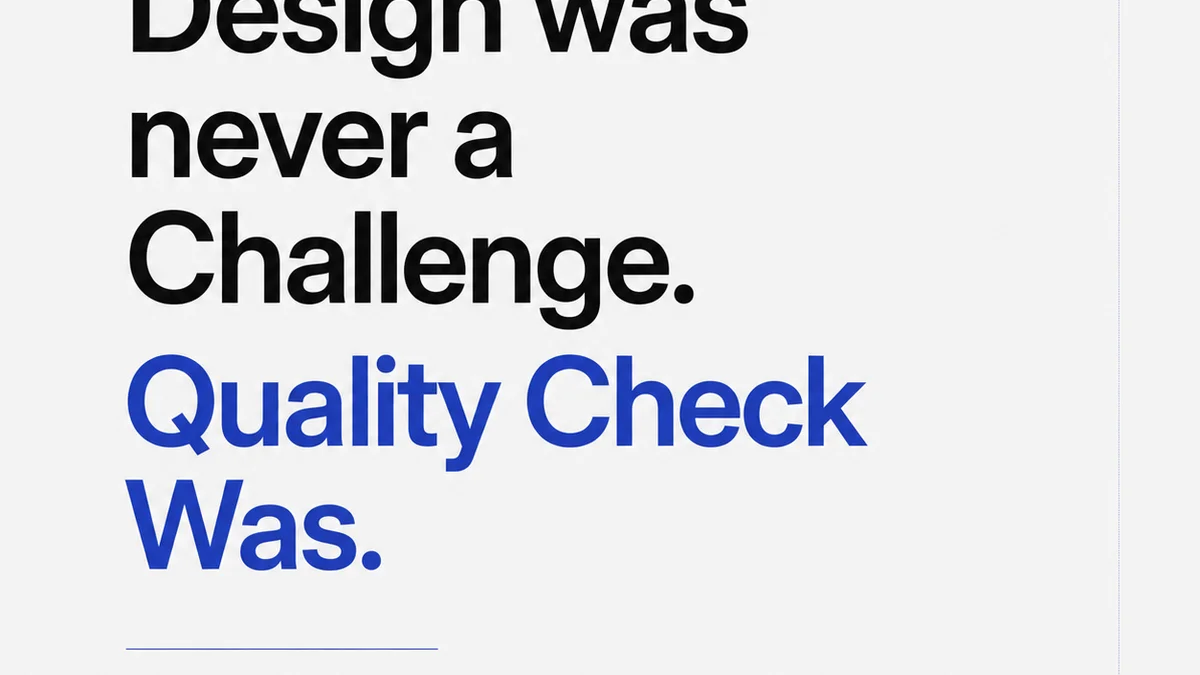
Everyone thinks campaign approval is just the final sign-off. The last gate before launch. The moment the client says, "Go." None of that is wrong. But it’s incomplete.
The real best practice for consumer campaign approval isn’t about the final click of a button. It's about building a system that makes that final click a formality.
The Hard Truth: Approval Isn't the End, It's the Result
Most teams treat campaign approval as a reactive process. Something happens, then you get approval, or you don't. This view creates bottlenecks, missed deadlines, and client friction.
The truth is, effective campaign approval is proactive. It’s built into the entire creative process, not tacked on at the end.
It's about continuous alignment, clear communication, and structured feedback loops. When you get this right, the final approval becomes a rubber stamp, not a root canal.
1. Define
Frequently asked questions
What's the biggest mistake agencies make in campaign approval?
Treating approval as a final gate rather than an integrated part of the workflow. This leads to surprises, rework, and strained client relationships. Effective approval is proactive, not reactive.
How can I ensure client alignment throughout the campaign development process?
Establish clear communication channels and regular check-ins from the outset. Use shared documents or platforms for real-time updates and feedback, making alignment an ongoing activity, not a single event.
What role does clear scope play in campaign approval?
A critical one. A well-defined scope prevents scope creep and ensures everyone understands the deliverables. When the client's expectations are documented and agreed upon early, the final approval process is significantly smoother.
How can technology help with campaign approvals?
Tools designed for creative workflows can centralize feedback, track revisions, and provide clear audit trails. This transparency reduces misunderstandings and speeds up the approval cycle significantly.