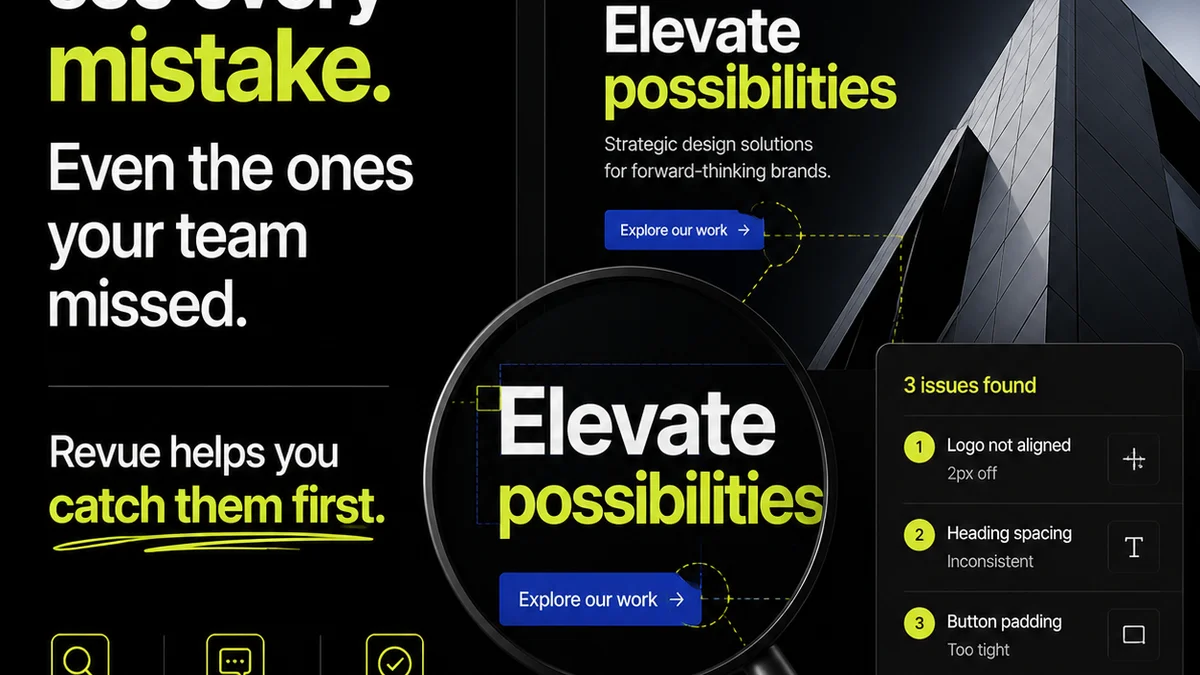
Everyone thinks content approval is about the final sign-off. The click that says, ‘Yep, this is good to go.’
None of that is wrong. But it’s incomplete.
The hard truth? The real value of content approval for creative agencies isn't in the final rubber stamp. It’s in the entire, often messy, process that leads to it.
1. The Illusion of a Simple Sign-Off
Most agencies treat content approval like a gate. A final hurdle before launch. Feedback comes in, revisions are made, and then someone signs off.
This view is dangerously short-sighted.
It ignores the inherent friction and potential for miscommunication that plague creative workflows. It assumes everyone is on the same page, seeing the same thing, understanding the same intent.
This leads to:
- Endless revision cycles.
- Misaligned expectations.
- Frustrated clients and teams.
- Missed deadlines.
- Subpar final output.
Thinking of approval as just the end means you’re missing the critical opportunities for alignment and quality assurance that happen *before* that final moment.
2. The Messy Middle: Where Real Approval Happens
The real work of content approval isn’t the final ‘yes’. It’s the collaborative dialogue, the iterative refinement, and the clear communication that happens throughout the project lifecycle.
This includes:
Early-Stage Feedback
Getting eyes on concepts, storyboards, and early drafts is crucial. This is where you catch fundamental issues before they become expensive problems.
Mid-Project Check-ins
Regular touchpoints ensure the creative direction remains aligned with the client’s goals. It’s not about getting approval; it’s about confirming shared understanding.
Revision Management
How are feedback and revisions tracked? Is it a chaotic email chain, or a structured process? The latter prevents scope creep and ensures clarity.
Quality Assurance
This isn’t just about proofreading. It’s about ensuring the content meets strategic objectives, brand guidelines, and technical requirements.
This is the
Frequently asked questions
What is the biggest misconception about content approval in agencies?
The biggest misconception is that content approval is solely about the final sign-off. In reality, the entire process of feedback, revision, and communication leading up to that sign-off is far more critical for project success and client satisfaction.
How can agencies improve their content approval process?
Agencies can improve by shifting focus from the final sign-off to early and continuous feedback, implementing structured revision tracking, ensuring clear communication channels, and integrating quality assurance checks throughout the workflow, not just at the end.
Why is early feedback important in content approval?
Early feedback allows for the identification and correction of fundamental issues when they are least expensive and easiest to fix. It prevents major deviations from the project's goals and saves significant time and resources on later-stage revisions.
How does client communication impact content approval?
Clear, consistent, and structured client communication is vital. It ensures everyone understands project goals, feedback is interpreted correctly, and expectations are managed effectively, reducing misunderstandings and streamlining the approval process.