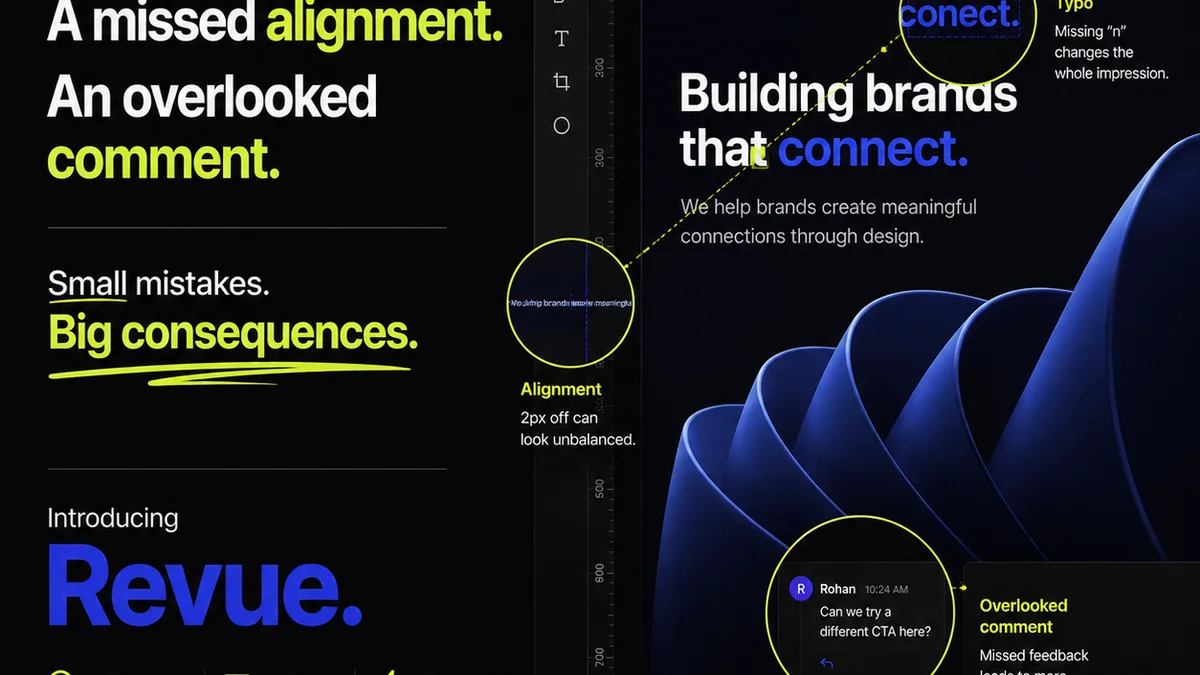
Everyone thinks content review is just the last step before launch. The final sign-off. The sanity check.
None of that is wrong. But it’s incomplete.
The real truth? Content review is not a gatekeeper; it’s a quality engine. It’s where creative vision meets client reality, and where misalignments are caught before they become disasters. Getting it right means better work, happier clients, and a healthier bottom line.
1. The Myth of the 'Final' Review
Most agencies treat content review like a speed bump. Something to get over quickly.
This is a dangerous assumption. It implies the bulk of the creative work is done, and this is just a formality. It’s an afterthought.
But what happens when the 'afterthought' uncovers a fundamental misunderstanding of the brief? Or a glaring brand inconsistency? Or a technical flaw that requires a major backtrack?
The Cost of Complacency
This approach leads to:
- Missed deadlines due to unexpected revisions.
- Scope creep disguised as 'minor tweaks'.
- Client frustration when feedback feels like a derailment, not a refinement.
- Internal burnout from rushed fixes and overtime.
- Compromised creative quality because the 'review' was too superficial to catch deeper issues.
It’s treating a critical quality control process like a rubber stamp.
2. The Hard Truth: Review is Iterative, Not Terminal
The actual purpose of content review is to integrate feedback iteratively, ensuring alignment at every stage. It’s not about a single 'final' pass; it’s about a continuous dialogue.
This dialogue needs structure. It needs clarity. And it needs to happen early and often.
Early and Often is Key
Think about it:
- When do you first share a wireframe? That’s a review point.
- When do you present a mood board? Review.
- When do you show a first draft of copy? Review.
- When do you share a staging link? Review.
Each of these is a chance to catch misunderstandings. A chance to course-correct with minimal effort. A chance to build client confidence by showing progress and incorporating their input proactively.
Treating review as a singular, end-of-project event is a recipe for chaos.
3. Defining What 'Good' Looks Like (Before You Start)
You can’t review effectively if you don’t know what success looks like. This means defining clear criteria upfront.
The Brief as the North Star
Your creative brief isn't just a starting point; it's the benchmark for every piece of content. Does it meet the objectives? Does it speak to the target audience? Does it align with the brand voice and tone?
Beyond the brief, consider:
- Brand Guidelines: Are colors, fonts, logos, and imagery used correctly?
- Technical Specifications: Does the content meet platform requirements (file types, dimensions, character limits)?
- Accessibility Standards: Is the content usable for everyone? (e.g., alt text for images, sufficient color contrast). For more on this, check out the Web Content Accessibility Guidelines (WCAG).
- Call to Action Clarity: Is the desired user action obvious and compelling?
- Legal & Compliance: Are there any regulatory requirements that need to be met?
These aren't just boxes to tick. They are the standards against which creative work is measured.
4. The Anatomy of an Effective Review Session
A good review isn't just about pointing out flaws. It’s a structured conversation focused on objective criteria.
Preparation is Paramount
Before any review meeting or feedback round:
- Ensure all stakeholders know the objective of the review.
- Provide clear context: What are we reviewing? What stage is it at? What feedback is most critical *now*?
- Use a standardized feedback template or tool. This ensures consistency and prevents rambling, subjective comments.
- Assign roles: Who is the primary decision-maker? Who provides input?
During the Review
Focus on:
- Objectivity: Refer back to the brief and defined criteria. Avoid personal opinions.
- Actionability: Feedback should be specific enough to act upon. Instead of 'I don't like it,' try 'This headline doesn't clearly communicate the benefit to the user.'
- Prioritization: Distinguish between 'must-haves' and 'nice-to-haves'. Not all feedback is created equal.
- Conciseness: Respect everyone's time. Get to the point.
And critically, document everything. Every comment, every decision, every change.
5. The Feedback Loop: Bridging the Gap
The gap between creative output and client expectation is often a communication breakdown. Effective review processes bridge this gap.
Common Communication Pitfalls
Agencies often struggle with:
- Vague Feedback: Clients say
Frequently asked questions
What's the biggest mistake agencies make with content review?
Treating content review as a final, passive sign-off rather than an active, iterative part of the creative process. This leads to missed opportunities for course correction and potential rework.
How can I make client feedback more actionable?
Ensure clients refer to the original brief and defined success criteria. Encourage specific, objective comments rather than subjective opinions. Use a structured feedback tool to guide their input.
When should content reviews happen in an agency workflow?
Reviews should be integrated at multiple stages, not just at the end. This includes wireframes, mood boards, copy drafts, and staging links. Early and frequent reviews prevent major issues later.
How does centralized feedback improve content review?
Centralized feedback tools consolidate all comments and revisions in one place, providing a clear, documented history. This reduces confusion, prevents lost feedback, and ensures everyone is working from the latest version.