Everyone thinks content review is about catching typos. Or maybe ensuring brand colors are right. None of that is wrong. But it’s incomplete.
The hard truth? Content review is a bottleneck. A massive one. And it’s probably costing your marketing team more time and money than you realize.
Let’s fix that. We’re talking about the entire process – from initial draft to final sign-off. This isn't just about proofreading; it’s about operational efficiency. It’s about getting high-quality marketing content out the door, faster.
1. The Myth of the 'Quick Look'
Agencies and in-house teams alike fall into this trap. Someone asks for a “quick look” or a “final glance” at a piece of content. It sounds harmless. It sounds efficient.
But a 'quick look' rarely is. It often means someone is scrolling through, half-paying attention, maybe spotting a glaring error. It’s reactive, not proactive. This approach misses nuanced feedback.
It also creates a false sense of security. You think the content is solid, but it’s just been superficially scanned.
The Real Cost of Superficial Reviews
- Missed strategic misalignments.
- Inconsistent messaging across channels.
- Delayed campaign launches.
- Frustrated team members chasing down obscure comments.
- Increased rework cycles.
This isn't about blame. It's about process. A process that’s too often informal and fragmented.
2. Why Your Current Content Review Process is Broken
Most marketing teams operate with a chaotic review system. Feedback comes from everywhere. Email threads, Slack DMs, random Word doc comments, even verbal notes in meetings.
This scattered approach is a recipe for disaster. Key stakeholders might miss critical feedback. Different reviewers might contradict each other. Version control becomes a nightmare.
You end up with:
- Endless back-and-forth emails.
- Lost feedback in long chat histories.
- Multiple versions of the same document floating around.
- Confusion over who has the final say.
- Anxiety about whether the 'right' feedback was incorporated.
This isn't a minor inconvenience. This is a systemic issue that drains resources and stifles creativity. It turns a necessary step into a dreaded chore.
3. Building a Structured Content Approval Workflow
A structured workflow is non-negotiable for efficient marketing content review. It needs to be clear, documented, and followed by everyone.
Start by mapping your current process. Identify every touchpoint, every reviewer, every approval step. You’ll likely be shocked by the complexity.
Then, redesign it. Focus on:
Defining Roles and Responsibilities
Who is responsible for what at each stage? Clearly assign roles like:
- Content Creator
- Subject Matter Expert Reviewer
- Brand/Legal Reviewer
- Final Approver
This clarity prevents duplicated effort and ensures critical eyes are on the content when needed.
Establishing Clear Review Criteria
What are you looking for at each stage? Is it factual accuracy? Brand voice? SEO optimization? Strategic alignment?
Provide reviewers with guidelines. This helps them focus their feedback and makes it more actionable. For example, a legal review has different priorities than a creative director’s.
Setting Turnaround Times
Feedback needs to be timely. Unreasonable delays kill momentum. Set clear expectations for how long each reviewer has to provide input.
This requires communication and buy-in from all stakeholders. It’s about respecting everyone’s time, including your own.
Choosing the Right Tools
Manual processes are inefficient. Relying solely on email and spreadsheets is a recipe for chaos. You need a centralized platform.
4. Where Revue Fits In
This is where a dedicated content review platform like Revue becomes essential. Trying to manage complex content workflows with generic tools is like trying to build a house with a butter knife.
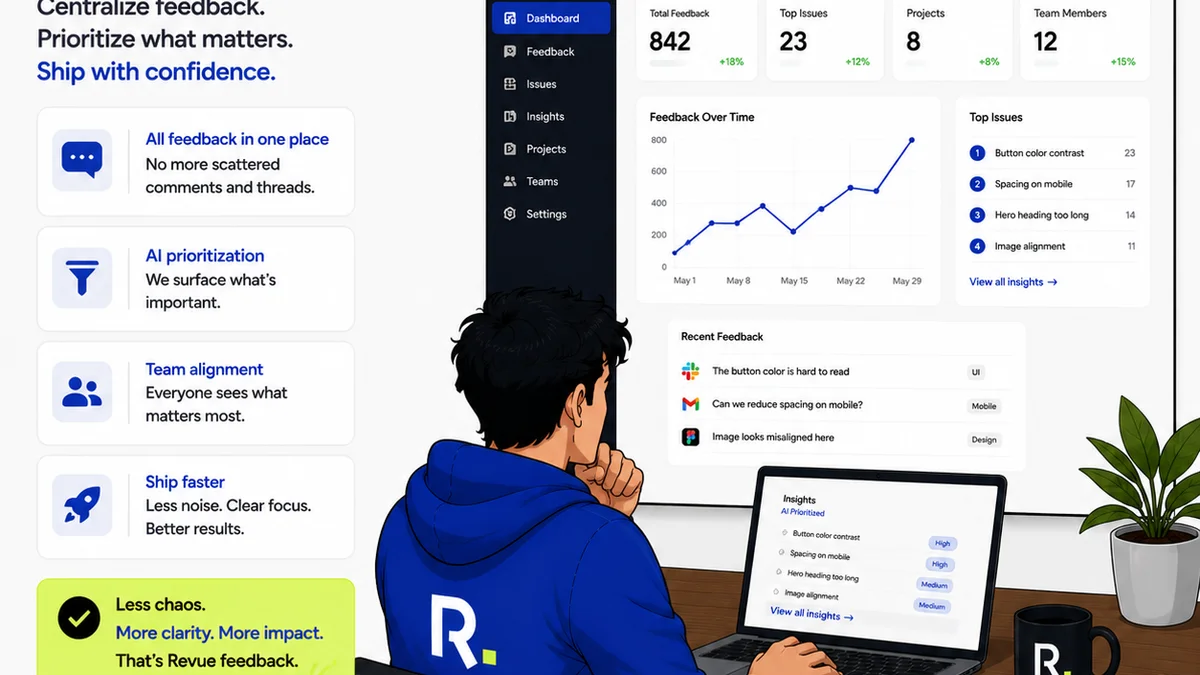
Revue is designed to centralize your entire content review and approval process. Think of it as the single source of truth for all your creative assets.
Centralized Feedback
Instead of scattered emails and Slack messages, all feedback lives in one place, directly attached to the asset. Reviewers can see each other’s comments, reducing redundancy and fostering collaboration.
Revision and Approval Visibility
Track the entire history of feedback and revisions. See who reviewed what, when they reviewed it, and what changes were made. This transparency eliminates guesswork and builds accountability.
You get a clear audit trail. No more
Frequently asked questions
What is the biggest challenge in marketing content review?
The biggest challenge is often the lack of a structured, centralized process. Feedback gets scattered across emails, chat apps, and documents, leading to confusion, delays, and missed revisions.
How can I speed up my content review process?
Speed comes from clarity. Define roles, set clear review criteria, establish realistic turnaround times, and use a dedicated platform for feedback and approvals. This minimizes back-and-forth and ensures everyone knows what's expected.
Who should be involved in content review?
Involve stakeholders who have direct impact or responsibility for the content's success. This typically includes content creators, subject matter experts, brand/legal reviewers, and the final approver. Avoid involving too many people, which can slow things down.
How do I ensure consistent brand messaging during review?
Provide clear brand guidelines and style guides to all reviewers. Use a platform that allows for version control and clear annotation, so it's easy to see how feedback aligns with or deviates from brand standards.