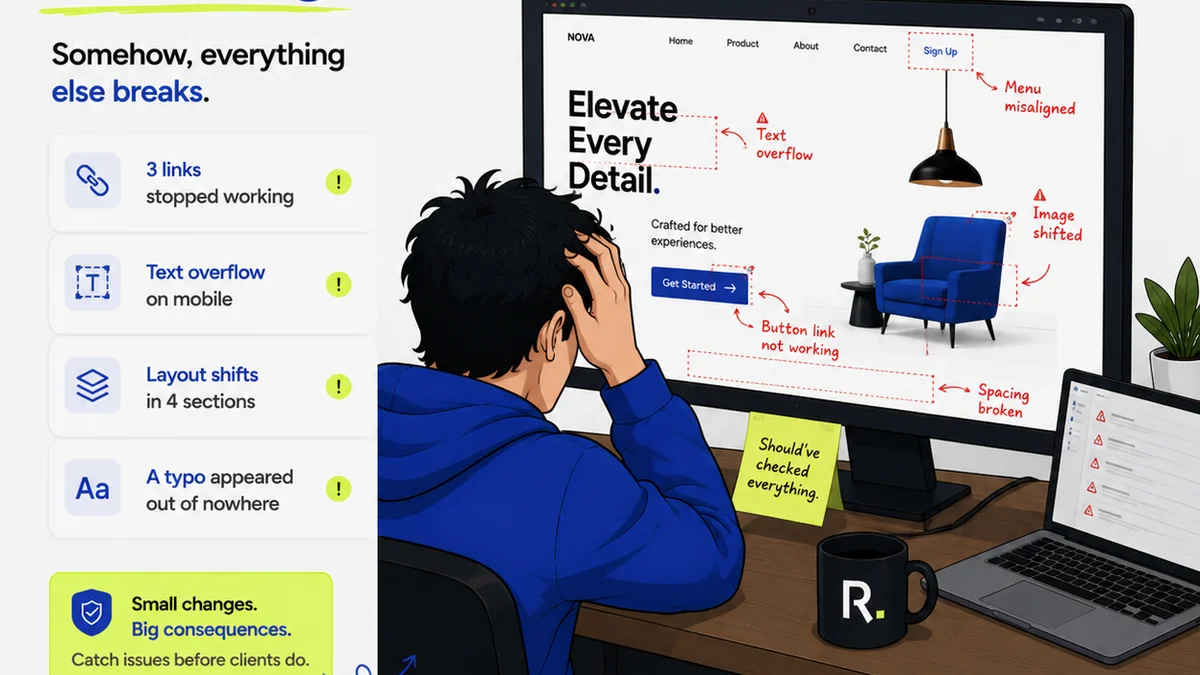
You think unstructured feedback just means a few extra hours here and there. A bit of back-and-forth. Maybe a missed deadline if you’re unlucky.
None of that is wrong. But it’s incomplete.
The hard truth? Unstructured design feedback isn’t just an annoyance. It’s a silent killer of agency profitability, a drain on creative energy, and a slow-motion destroyer of client relationships.
It’s not about the hours. It’s about the *value* lost.
1. The Erosion of Billable Hours
Let’s start with the obvious. Every minute spent deciphering vague comments, chasing down missing context, or redoing work because feedback was misunderstood is a minute you’re not billing. Or worse, a minute you *are* billing, but at a loss because it’s taking twice as long as it should.
This isn’t just about scope creep. It’s about inefficiency baked into your process.
The Symptoms:
- Client says, “Make it pop more.” You spend an hour trying variations that might mean anything from brighter colors to a different layout.
- An email chain with 30 replies is the only record of a design decision. Someone needs clarification. Who has time to read all that?
- A stakeholder gives feedback in a Slack DM, another in a Zoom call, and a third via a handwritten note.
- You present a revision, and the client says, “I don’t think this is what we discussed.” Except, what *was* discussed is lost in a sea of messages.
Each of these tiny leaks adds up. Multiply that by your team’s hourly rate, and the cost becomes staggering. It's not just overhead; it’s directly eating into your profit margin.
2. The Creative Bottleneck
Designers are not code monkeys. They need clear direction and constructive critique to do their best work. Vague, contradictory, or emotional feedback starves creativity.
When feedback is unstructured, it often becomes a guessing game for the creative team.
This isn't about sensitive artists. It’s about optimizing the creative process for output and innovation.
The Impact on Talent:
- Demotivation: Constantly redoing work based on unclear direction is soul-crushing.
- Frustration: Talented designers feel their expertise is ignored or misunderstood.
- Stagnation: The team spends more time reacting to noise than proactively solving problems or exploring new ideas.
- Burnout: The pressure to
Frequently asked questions
What are the main signs of unstructured design feedback?
Common signs include vague comments like 'make it better,' contradictory feedback from different stakeholders, feedback spread across multiple platforms (email, Slack, calls), and a lack of clear revision history or decision logs.
How does unstructured feedback impact team morale?
It can lead to significant frustration and demotivation as designers struggle to interpret unclear instructions, feel their expertise is undervalued, and spend excessive time on revisions that miss the mark. This often contributes to burnout.
Can unstructured feedback damage client relationships?
Yes. It leads to misunderstandings, missed deadlines, and work that doesn't meet expectations, eroding client trust. It can also make clients feel their feedback isn't being heard or acted upon effectively, leading to dissatisfaction.
What's the difference between unstructured feedback and scope creep?
Unstructured feedback is about the *quality* and *clarity* of the feedback itself, leading to inefficiency and rework. Scope creep is about the *quantity* of work requested exceeding the original agreement. However, unstructured feedback can easily lead to scope creep because unclear direction makes it hard to define what's 'in' or 'out' of scope.