1. The Client Brief: More Than Just a Request
Every successful brand build starts with a client brief. But let's be honest, briefs can range from crystal clear to a cryptic mess. The real work isn't just receiving the brief; it's dissecting it. What's the underlying business problem? Who are we *really* trying to reach? What does success look like beyond "looks cool"? Agencies that excel don't just take orders; they ask the hard questions upfront. This initial deep dive is crucial for aligning expectations and ensuring the creative output actually serves a strategic purpose, not just an aesthetic one.
2. Ideation & Strategy: Where Concepts Take Flight
This is the magic phase, right? Ideas are tossed around, whiteboards are filled, and coffee consumption hits new highs. But effective brand building isn't just about brainstorming cool slogans or striking visuals. It's about developing a cohesive strategy that underpins every creative decision. This means defining the brand's voice, personality, target audience, and core message. The best agencies don't just generate ideas; they craft strategies that ensure those ideas resonate with the right people and achieve the client's business objectives. This strategic foundation prevents creative work from becoming a series of disconnected, albeit pretty, assets.
3. Creative Execution: Bringing the Brand to Life
Once the strategy is locked, the real execution begins. This involves translating strategic pillars into tangible brand elements – logos, color palettes, typography, tone of voice, campaign concepts, and more. The challenge here is maintaining consistency across all touchpoints while also allowing for creative flair. Version control nightmares and scattered feedback can derail even the best creative vision. Agencies need robust processes to ensure that as ideas evolve, they remain true to the core strategy and brand identity. This is where clear workflows and centralized feedback are non-negotiable to avoid confusion and maintain quality.
4. Feedback & Revisions: The Necessary Dance
Few creative projects emerge perfect on the first try. The feedback and revision cycle is a critical part of the brand-building process. However, this phase is often a minefield of conflicting opinions, vague comments, and endless iterations. "Make it pop more" or "I don't like the blue" are common frustrations that lead to wasted time and diluted creative. High-performing agencies manage this by establishing clear communication channels and structured feedback loops. They guide clients toward constructive, actionable feedback, ensuring revisions are purposeful and move the project forward efficiently, rather than backward.
5. Quality Assurance & Delivery: The Final Polish
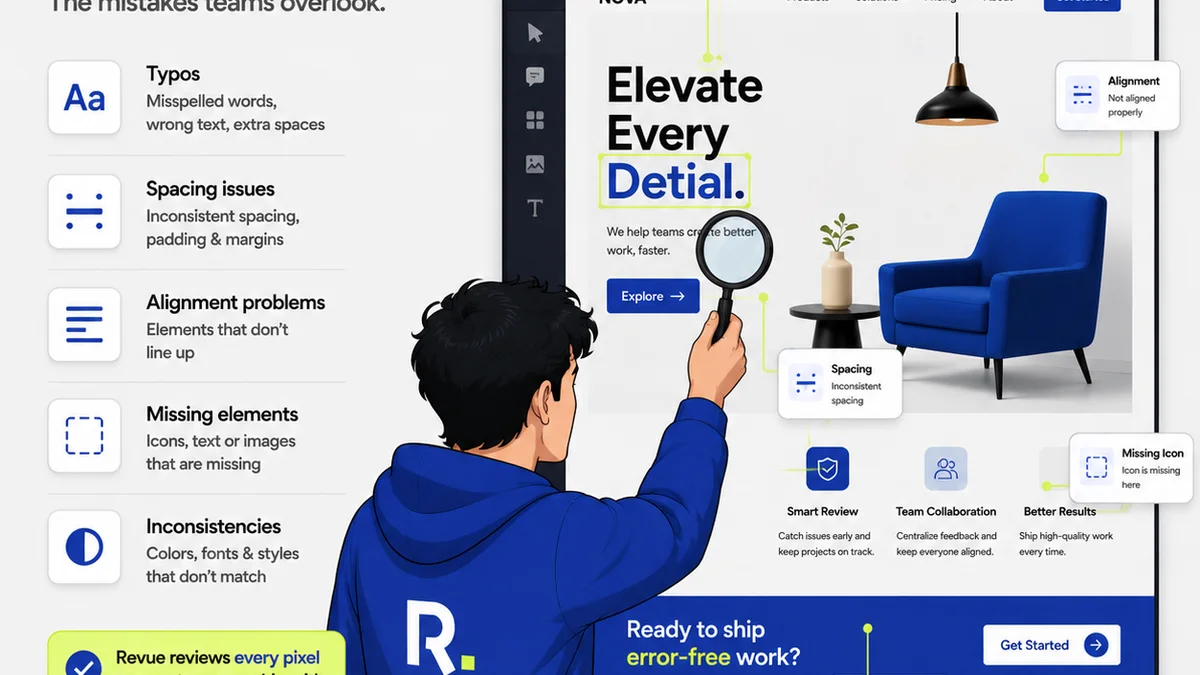
Before a brand can make its impact, it needs to be polished. This final stage involves rigorous quality checks to ensure everything is on brief, on strategy, and free of errors. Are all files correctly formatted? Is the messaging consistent? Does it meet brand guidelines? This is the last line of defense against costly mistakes and brand misrepresentation. A streamlined delivery process ensures that the finalized assets are handed over smoothly, ready to be deployed and start building that brand impact.
Where Revue Fits In
Managing the journey from a raw idea to a polished brand identity involves a complex interplay of strategy, creativity, client communication, and meticulous execution. Throughout this process, creative teams grapple with scattered feedback, version confusion, and ensuring everyone is aligned. Tools that centralize communication and streamline the review and approval process are essential. For instance, imagine a client reviewing a campaign concept. Instead of sifting through emails, they can provide precise, in-context feedback directly on the creative asset. This speeds up revisions and ensures clarity. Exploring how a platform like Revue can centralize your creative review and approval workflow can significantly reduce friction and boost efficiency for your agency.
Final Thought
Building a strong brand is an art and a science. It requires a deep understanding of strategy, a spark of creative genius, and a disciplined process to bring it all together. Agencies that master this blend, supported by the right tools, are the ones that consistently deliver work that not only looks good but drives real business results for their clients.
Frequently asked questions
What is the first step in brand building for a creative agency?
The first step is thoroughly understanding and dissecting the client brief. This involves going beyond the surface request to identify the core business problem, target audience, and desired outcomes.
How do creative agencies ensure brand consistency?
Agencies ensure consistency by developing a strong strategic foundation that guides all creative decisions, maintaining clear brand guidelines, and using centralized tools for feedback and asset management throughout the project lifecycle.
What are the common challenges in the feedback and revision process?
Common challenges include vague or conflicting feedback, endless iterations, and difficulty in tracking changes. This often leads to wasted time and diluted creative vision.
How can technology help creative agencies in brand building?
Technology, like platforms for centralized creative review and approval, can streamline communication, reduce version confusion, facilitate precise feedback, and accelerate the revision process, ultimately improving efficiency and output quality.
What is the role of quality assurance in brand building?
Quality assurance is the final check to ensure all creative assets are accurate, on-strategy, error-free, and adhere to brand guidelines before delivery. It's the last defense against costly mistakes and protects brand integrity.