Everyone talks about creative analytics. They point to engagement rates, click-throughs, and conversion numbers. They say, “Measure what matters.”
None of that is wrong. But it’s incomplete. Especially for enterprise creative teams.
The hard truth? Most creative analytics are superficial. They tell you *what* happened, but rarely *why*. And for teams buried under client demands, complex workflows, and the sheer volume of assets, understanding the ‘why’ is the only thing that unlocks real improvement.
1. The Vanity Trap: What Looks Good Isn't Always What's Working
Enterprise creative teams often measure success by output. How many campaigns did we launch? How many assets did we produce? How many revisions did we handle?
These are operational metrics, not performance metrics. They track activity, not impact.
Consider the common metrics:
- Website Traffic: Did a campaign drive more people to the site? Sure. But did it drive the *right* people? Did they convert?
- Social Engagement: Lots of likes and shares. Great. But did it translate to brand perception shifts or actual sales?
- Asset Volume: We produced 500 social posts this quarter. Impressive. But were they effective? Were they on-brand? Were they approved efficiently?
These numbers provide a sense of busyness, but they don't tell you if the creative itself is resonating, if the process is efficient, or if the client’s business goals are being met.
The Real Cost of Fluff
Focusing on vanity metrics means you’re optimizing for the wrong things. You might be celebrating a campaign that got a lot of social shares but alienated your core customer base. Or you might be pushing for faster turnaround times, leading to more errors and client dissatisfaction down the line.
This isn't about blaming anyone. It's about recognizing that the tools and the mindset often focus on surface-level data.
2. The Deeper Dive: Connecting Creative Output to Business Outcomes
True creative analytics bridges the gap between creative execution and tangible business results. It’s about understanding the impact of your creative work, not just its existence.
For enterprise teams, this means looking beyond the immediate campaign performance and understanding how creative contributes to larger strategic objectives.
What to Track (and Why)
Shift your focus from *activity* to *impact*. This involves integrating data from multiple sources:
- Brand Perception Studies: How do target audiences feel about the brand before and after a campaign? This requires qualitative research, not just quantitative clicks.
- Customer Journey Mapping: Where does creative influence a customer’s decision? Track touchpoints and understand how different assets perform at various stages.
- Sales Data Correlation: Can you link specific creative assets or campaigns to increases in sales, lead generation, or customer retention? This often requires collaboration with sales and marketing ops teams.
- Client Satisfaction Scores: Beyond project completion, how satisfied are clients with the *process* and the *results*? Feedback loops are crucial here.
- Internal Workflow Efficiency: How long does it *really* take to get from brief to final approval? Where are the bottlenecks? This isn't just about speed, but about identifying points of friction that impact quality and client trust.
This requires a more sophisticated approach to data collection and analysis. It’s not just about pulling numbers from one platform.
Operationalizing Insight
The goal isn’t just to *have* this data, but to *act* on it. What does this insight mean for your next campaign? For your team's structure? For your client relationships?
This is where enterprise teams can truly differentiate themselves. By demonstrating a clear link between creative investment and business growth, you move from being a cost center to a strategic partner.
3. Workflow Analytics: The Unsung Hero of Creative Performance
Many enterprise creative teams overlook the analytics of their own internal processes. They assume the workflow is just “how things get done.”
But inefficiencies in your workflow directly impact the quality of your creative output, client satisfaction, and your team’s morale.
The Hidden Costs of a Broken Process
Consider the common pain points:
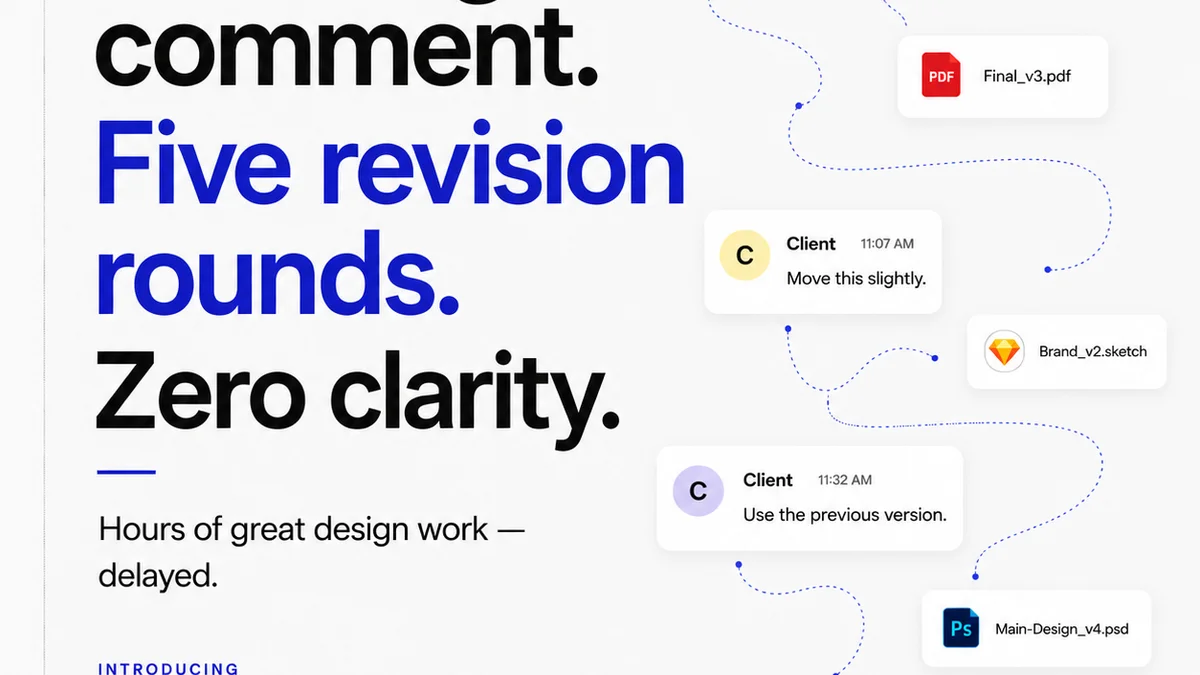
- Endless Revision Cycles: Clients going back and forth, often with unclear feedback.
- Missed Deadlines: Due to scope creep, unclear briefs, or inefficient approval chains.
- Lost Assets: Important files scattered across email, cloud storage, and local drives.
- Lack of Visibility: No one knows where a project stands or who is responsible for the next step.
- Wasted Time: Team members spending hours chasing down feedback or redoing work because of miscommunication.
These aren’t just minor annoyances. They are direct drains on profitability and creative bandwidth.
Measuring What Matters Internally
Start tracking key workflow metrics:
- Average Time to Approval: How long does it take for a piece of creative to move through the entire approval process?
- Number of Revisions per Asset: Are certain types of assets or clients consistently requiring more revisions?
- Bottleneck Identification: Which stage in your workflow consistently causes delays?
- Feedback Clarity Score: This is harder to quantify but can be assessed through surveys or by tracking how many clarification requests are needed per feedback round.
- On-Time Delivery Rate: A basic but critical measure of process efficiency.
These internal analytics reveal where your team is losing time and money. They highlight opportunities for process improvement that can free up creative talent to focus on what they do best: creating impactful work.
4. Where Revue Fits In
Enterprise creative teams need more than just a dashboard of campaign results. They need a system that brings clarity to both the creative output and the internal workflow.
Revue acts as that central hub. It’s designed to tackle the operational friction that plagues creative teams.
How?
- Centralized Feedback: All client comments and stakeholder input live in one place, attached directly to the creative asset. No more hunting through emails or Slack threads. This ensures feedback is consolidated, contextual, and actionable.
- Revision & Approval Visibility: Track every version, every revision request, and every approval status in real-time. Everyone on the team and every client can see exactly where a project stands, reducing confusion and speeding up the process.
- Quality Checks Built-In: By having a clear record of feedback and revisions, you build in a natural quality control layer. You can easily see if all feedback has been addressed and if the final output meets the agreed-upon standards before final sign-off.
- Workflow Streamlining: Revue helps identify bottlenecks by making the entire review and approval process transparent. You can see where delays are happening and address them proactively.
This isn’t just about project management. It’s about creating a more efficient, transparent, and accountable creative process. When your workflow is clean, your analytics become more meaningful because they reflect a process that is set up for success.
5. Final Thought
Are your creative analytics telling you the whole story, or just the part that’s easy to measure?
The true value of creative work isn't just in its visibility, but in its impact. And understanding that impact requires looking deeper than likes and shares. It demands an honest assessment of your creative output *and* the engine that produces it – your team's workflow.
What if the most significant gains in creative performance aren't found in optimizing ad spend, but in optimizing the feedback loop?
Frequently asked questions
What are 'vanity metrics' in creative analytics?
Vanity metrics are superficial performance indicators that look good but don't necessarily drive business results. Examples include high social media likes or shares without a corresponding increase in leads or sales, or simply tracking the volume of assets produced without assessing their effectiveness.
How can enterprise creative teams connect analytics to business outcomes?
By focusing on metrics that show impact, such as brand perception shifts, customer journey influence, sales data correlation, client satisfaction scores, and internal workflow efficiency. This often requires integrating data from multiple sources beyond standard marketing platforms.
Why is workflow analytics important for creative teams?
Workflow analytics highlight inefficiencies in the creative process, such as bottlenecks, excessive revision cycles, and missed deadlines. Addressing these issues directly impacts project quality, client satisfaction, team morale, and profitability.
How does a tool like Revue help with creative analytics?
Revue centralizes client feedback, provides clear visibility into revision and approval stages, and streamlines the workflow. This transparency makes it easier to track process efficiency, identify bottlenecks, and ensure feedback is addressed, leading to more meaningful performance data.