Everyone talks about creative analytics. They say it’s about understanding your audience, optimizing campaigns, and proving ROI. None of that is wrong. But it’s incomplete.
For design agencies and in-house creative teams, creative analytics isn’t just about measuring what you’ve already done. It’s about building a system for doing better work, more consistently. It’s about turning subjective talent into objective, repeatable success.
The real power of creative analytics lies in its ability to illuminate the hidden mechanics of your creative process. It’s the difference between admiring a beautiful campaign and understanding precisely *why* it resonated, and how to replicate that magic for the next client.
1. Beyond Vanity Metrics: What Truly Drives Business Results
It’s easy to get lost in the noise. Likes, shares, impressions – these are the shiny objects that distract from the real business objectives. Agencies that thrive don’t chase vanity metrics; they focus on what moves the needle for their clients.
This means shifting your focus from broad engagement to specific, actionable outcomes. What does success *actually* look like for this client, and how does the creative work directly contribute to it?
Understanding Client Goals
Every client comes with a unique set of goals. Are they looking for brand awareness, lead generation, direct sales, or customer retention? The creative strategy, and therefore the analytics you track, must align directly with these objectives.
If a client’s goal is lead generation, tracking website traffic alone is insufficient. You need to understand conversion rates, cost per lead, and the quality of those leads. The creative assets should be designed and analyzed with these specific conversion points in mind.
The Role of Conversion Tracking
This is where the rubber meets the road. Conversion tracking allows you to attribute specific actions – a form submission, a purchase, a download – back to the creative campaigns that inspired them.
Without this, you’re flying blind. You might be producing beautiful work that clients *say* they like, but if it’s not converting, it’s not delivering business value. Analytics helps you connect the dots.
Key Performance Indicators (KPIs) That Matter
Forget the generic list. Define KPIs that are:
- Specific: Clearly defined and measurable.
- Measurable: Quantifiable.
- Achievable: Realistic given resources and market conditions.
- Relevant: Directly tied to client business objectives.
- Time-bound: With a defined timeframe for achievement.
For example, a KPI might be: “Increase qualified leads from the new landing page creative by 15% within Q3.” This is concrete and actionable.
2. Decoding Creative Performance: From Gut Feel to Data-Driven Decisions
For too long, creative decisions have been based on gut feeling, senior creative’s opinion, or the loudest voice in the room. This is a recipe for inconsistency and missed opportunities.
Creative analytics provides the objective data needed to validate or challenge these assumptions. It allows you to understand which creative elements resonate most effectively with specific audience segments.
Audience Segmentation and Creative Resonance
Not all audiences are the same. What works for Gen Z might fall flat with Baby Boomers. Creative analytics allows you to segment your audience and analyze how different creative approaches perform with each segment.
This isn’t about dumbing down creative; it’s about speaking the right language to the right people. A/B testing different visuals, copy, or calls-to-action for distinct segments can reveal powerful insights.
A/B Testing and Multivariate Testing
These are your best friends in the analytics toolkit. A/B testing allows you to compare two versions of a creative asset to see which performs better. Multivariate testing takes it a step further by testing multiple variations of elements simultaneously.
- Test different headlines.
- Test different images or video hooks.
- Test different button colors or copy.
- Test different landing page layouts.
The results of these tests provide clear direction on what to optimize. It removes the guesswork and replaces it with empirical evidence.
Visualizing Data for Clarity
Raw data is overwhelming. Effective creative analytics involves visualizing data in a way that’s easy to understand and act upon. Dashboards, charts, and reports can transform complex numbers into clear insights.
This visualization is crucial for client communication. Showing a client clear graphs demonstrating the impact of a revised creative strategy is far more persuasive than just talking about it.
3. Optimizing the Creative Workflow for Efficiency and Impact
Analytics isn’t just for the final output; it’s integral to optimizing the entire creative workflow. By understanding bottlenecks and inefficiencies, you can streamline processes and free up your team’s valuable time.
This leads to faster turnarounds, happier clients, and a more profitable agency.
Identifying Creative Bottlenecks
Where does your creative process slow down? Is it during feedback rounds? Revisions? Approvals? Analytics can help pinpoint these areas.
For example, if you notice that a particular type of revision request consistently leads to significant delays, you can address the root cause. Is it a lack of clear initial brief? Inconsistent feedback? Poor communication?
Streamlining Feedback and Revisions
This is a perennial pain point for agencies. Vague, contradictory, or delayed feedback can derail even the best creative work. Analytics can highlight patterns in feedback that indicate systemic issues.
Are feedback comments consistently lacking detail? Are approvals taking longer than expected for certain project types? Identifying these trends allows you to implement standardized feedback protocols or approval workflows.
Measuring Team Performance and Resource Allocation
While sensitive, understanding how your team’s time translates into client-facing deliverables is important. Analytics can help identify which types of projects or clients are most resource-intensive and whether those resources are being allocated effectively.
This isn't about micromanaging. It’s about understanding capacity, identifying needs for training or better tools, and ensuring your most talented people are focused on high-impact work.
Where Revue Fits In
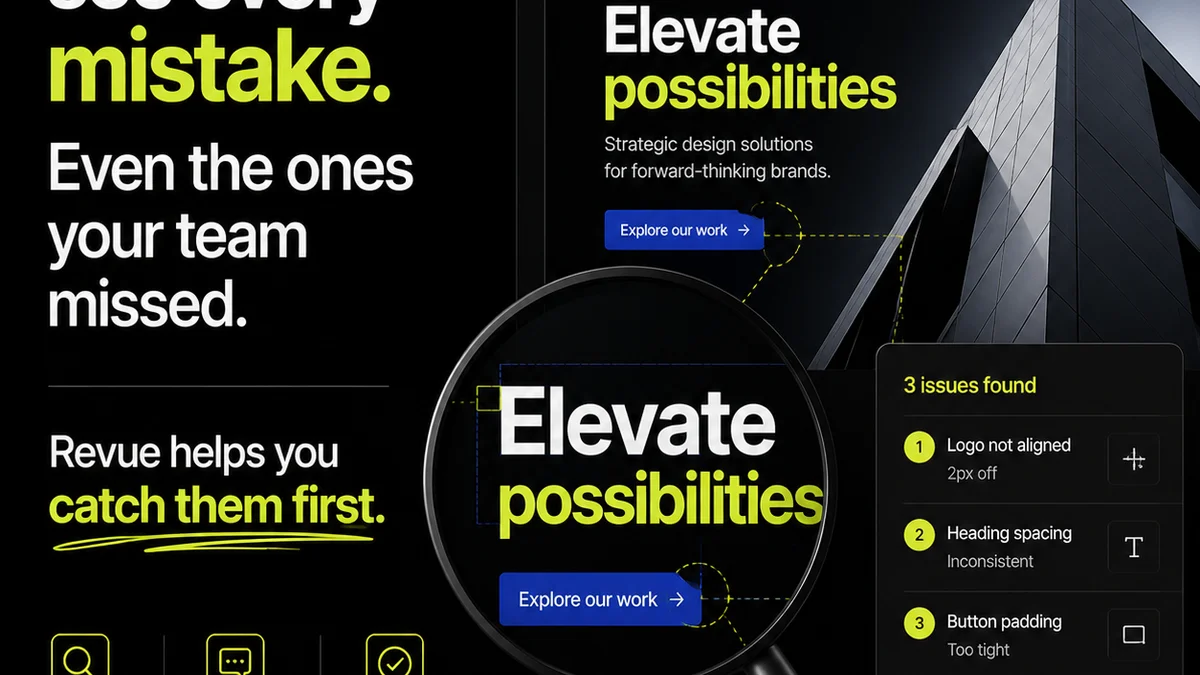
This is where a tool like Revue becomes indispensable. It’s built to bring clarity and control to the chaotic world of creative feedback and approvals.
Revue centralizes all client communication and feedback directly on the creative assets themselves. No more digging through endless email chains or Slack threads. Every comment, every revision request, is logged and timestamped.
This creates a clear, auditable trail. You can see exactly who said what, when, and why. This drastically reduces ambiguity and speeds up the revision process.
Furthermore, Revue provides visibility into the entire revision and approval cycle. You can track the status of each asset, identify where delays are occurring, and ensure projects are moving forward efficiently.
This isn’t just about making life easier; it’s about improving the quality of your output. By ensuring feedback is clear, consolidated, and actionable, you reduce the chances of misinterpretation and costly rework. Revue helps you manage the process so your team can focus on the creative execution.
4. The Future: Predictive Analytics and Proactive Creativity
The evolution of creative analytics is moving towards predictive capabilities. Instead of just understanding what happened, the goal is to anticipate what *will* happen.
Imagine being able to predict which creative concepts are most likely to succeed based on historical data and audience profiles. This allows for a more proactive, less reactive approach to creative development.
Leveraging AI and Machine Learning
AI and machine learning are powerful tools for analyzing vast datasets. They can identify subtle patterns and correlations that human analysts might miss, leading to more accurate predictions.
This could involve identifying emerging trends in visual styles, predicting audience response to different messaging tones, or even optimizing media spend based on predicted performance.
Building a Culture of Continuous Improvement
The ultimate goal of creative analytics is to foster a culture where data informs intuition, and intuition is constantly refined by data. It’s a continuous loop of creation, measurement, analysis, and optimization.
Agencies that embrace this mindset are not only more effective for their clients but also more resilient and adaptable in a rapidly changing market.
Final Thought
Are you using creative analytics to simply report on past performance, or are you leveraging it to fundamentally change how you create, collaborate, and grow? The shift from reactive reporting to proactive strategy is the true differentiator for agencies looking to lead, not follow.
Frequently asked questions
What is creative analytics?
Creative analytics involves collecting, analyzing, and interpreting data related to creative assets and campaigns to understand their performance, audience reception, and impact on business goals. It moves beyond basic engagement metrics to focus on outcomes and effectiveness.
How can creative analytics help my agency grow?
By understanding what creative work truly drives results for clients, agencies can refine their strategies, improve client satisfaction, attract more business through proven success, and optimize internal workflows for greater efficiency and profitability.
Is creative analytics only for large agencies?
No, creative analytics is beneficial for agencies of all sizes. Even with limited resources, focusing on key performance indicators aligned with client goals and utilizing accessible tools can provide significant insights and drive better outcomes.
How does feedback management relate to creative analytics?
Effective feedback management, like that provided by Revue, generates valuable data. Analyzing feedback patterns, revision cycles, and approval times can reveal workflow inefficiencies and inform strategies for clearer communication and faster project completion, directly impacting creative performance.