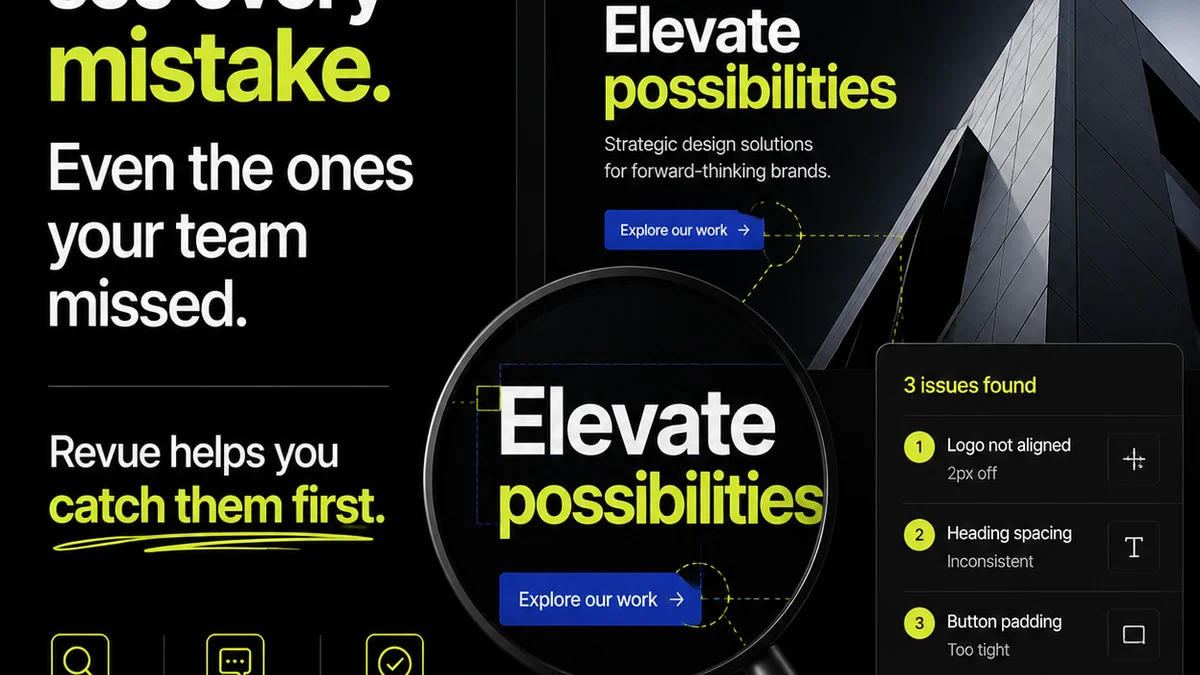
Everyone talks about creative approval software. They say it’s about faster sign-offs, fewer emails, and happier clients. None of that is wrong. But it’s incomplete.
The real truth? The right creative approval software isn’t just a digital rubber stamp. It’s the central nervous system for your creative output, connecting strategy, execution, and client understanding. Get it wrong, and you’re just shuffling digital paper. Get it right, and you unlock speed, clarity, and profitability.
1. Beyond Basic Proofing: The Core of Creative Feedback Management
Most tools can show a PDF and let someone scribble on it. That’s not management. That’s just… viewing. True creative feedback management goes deeper. It’s about context, accountability, and actionable insights.
The Illusion of Simplicity
You think you need a tool that’s easy for clients. And they do. But what about your team? What about your project managers? What about your bottom line?
Ease of use for the client is table stakes. The real win is ease of *management* for your agency.
What to Look For:
- Centralized Project Hubs: Not just for one asset, but for the entire project lifecycle.
- Version Control That Works: Automatic tracking of revisions, not just manual uploads.
- Granular Permissions: Control who sees what and who can approve what.
- Clear Audit Trails: Every comment, every revision, every approval logged immutably.
- Integrations: Connects with your existing DAM, project management, or design tools.
This isn’t just about proofing. It’s about building a reliable system for creative collaboration and accountability.
2. Bridging the Strategy-to-Execution Gap
Creative approvals often go off the rails because the client’s feedback is divorced from the original strategy or brief. They’re reacting to pixels, not objectives.
Your approval software needs to keep strategy front and center. It’s the only way to ensure feedback is constructive and aligned.
The Strategy Disconnect
A client might say, “I don’t like the blue.” But *why*? Is the blue not on-brand? Is it not evoking the right emotion? Is it not performing against the campaign goal?
Without access to the brief, the strategy, or the performance goals within the approval flow, feedback becomes subjective and unhelpful. It becomes a guessing game.
Features That Connect the Dots:
- Integrated Briefs/Strategy Docs: Allow clients (and internal teams) to reference the project’s goals directly within the review environment.
- Contextual Annotations: The ability to link specific feedback points back to strategic objectives or brand guidelines.
- Decision-Making Frameworks: Tools that encourage feedback based on project goals, not just personal preference.
- Clear Approval Workflows: Define who needs to approve at each stage, ensuring all stakeholders are aligned with the strategy.
This keeps the conversation focused on what matters: delivering work that meets business objectives, not just aesthetic whims.
3. The Hidden Cost of Ambiguity in Creative Revisions
Ambiguity kills agency profitability. Vague feedback, endless revision cycles, scope creep — they all stem from a lack of clarity during the revision and approval process.
Your creative approval system must eliminate ambiguity, not create more of it.
The Revision Vortex
“Make it pop more.” “Can we try something… different?” “Just tweak it a bit.” Sound familiar? These phrases are poison to a tight schedule and a healthy budget.
Without precise direction on what needs to change, your team wastes hours guessing and re-doing work. Clients get frustrated when their vague requests don’t yield the desired result. Everyone loses.
Solutions for Clarity:
- Precise Annotation Tools: Pinpoint comments directly on the asset.
- Structured Feedback Forms: Guide clients to provide specific, actionable input rather than general opinions.
- Revision Comparison Views: Easily see what changed between versions, highlighting the impact of feedback.
- Status Tracking: Clearly indicate whether an asset is in review, approved, or requires revisions.
- Consolidated Feedback: Aggregate all comments from multiple reviewers into a single, manageable list.
When feedback is clear and actionable, revisions become efficient. They become a targeted process, not a creative free-for-all.
4. Quality Assurance: The Unsung Hero of Client Satisfaction
Most agencies focus on the 'approval' part. But what about the 'quality' part? A rushed approval doesn't mean the final output is error-free.
Your creative approval software should be the last line of defense for quality control before delivery.
The Pre-Flight Check Fail
It’s easy to let things slip when you’re eager to deliver. A misplaced comma, a slightly off-color logo, a broken link. These small errors erode client trust and can damage your agency’s reputation.
Approvals shouldn't be the *end* of quality checks; they should be integrated *within* them.
Building Quality In:
- Checklist Functionality: Integrate QA checklists directly into the approval workflow.
- Format-Specific Checks: Tools that can validate certain technical aspects (e.g., image resolution, file size, code snippets).
- Final Review Stages: Dedicated steps for meticulous final checks before client sign-off.
- Accessibility Compliance: Features that help ensure designs meet accessibility standards, like those outlined by the WCAG.
- Cross-Browser/Device Testing Integrations: Connect with tools that verify performance across different platforms.
A robust approval process includes a rigorous quality assurance gate. It’s non-negotiable for professional output.
5. Where Revue Fits In
This is why we built Revue. It’s not just another proofing tool. It’s designed from the ground up to address the operational realities of creative agencies and in-house teams.
Revue provides a centralized platform where client feedback isn't lost in email chains or Slack messages. It’s organized, contextualized, and actionable.
- Centralized Feedback: All client comments and revisions live in one place, attached to the specific asset. No more hunting for that one email.
- Revision & Approval Visibility: Track the entire history of changes and approvals, providing a clear audit trail and reducing ambiguity. Understand exactly who approved what, and when.
- Quality Checks: Integrate your agency’s specific quality assurance steps directly into the workflow, ensuring every piece of creative meets your standards before it’s finalized.
Revue transforms the chaotic approval process into a streamlined, transparent, and efficient part of your creative workflow.
Final Thought
Are you using your creative approval software as a digital filing cabinet, or as a strategic asset? The difference impacts everything from project timelines to client relationships to your agency’s bottom line.
Don't just chase approvals. Build a system that drives clarity, quality, and efficiency. Your team, and your clients, will thank you.
Frequently asked questions
What is the most important feature of creative approval software?
Beyond basic proofing, the most crucial features are centralized feedback management, clear version control, and integrated strategy context. This ensures feedback is actionable and aligned with project goals, not just subjective opinions.
How can creative approval software help reduce revision cycles?
By providing precise annotation tools, structured feedback forms, and clear comparison views between revisions, the software helps eliminate ambiguity. This leads to more specific, actionable feedback, reducing guesswork and the need for excessive revisions.
Can creative approval software improve client relationships?
Yes. By offering transparency into the revision and approval process, keeping strategy front-and-center, and ensuring higher quality output, clients feel more informed and confident. This leads to smoother collaborations and stronger trust.
What role does quality assurance play in creative approvals?
Quality assurance is a critical final gate. Robust creative approval software should integrate QA checklists and format-specific checks to catch errors before final delivery, protecting your agency's reputation and ensuring client satisfaction with error-free work.