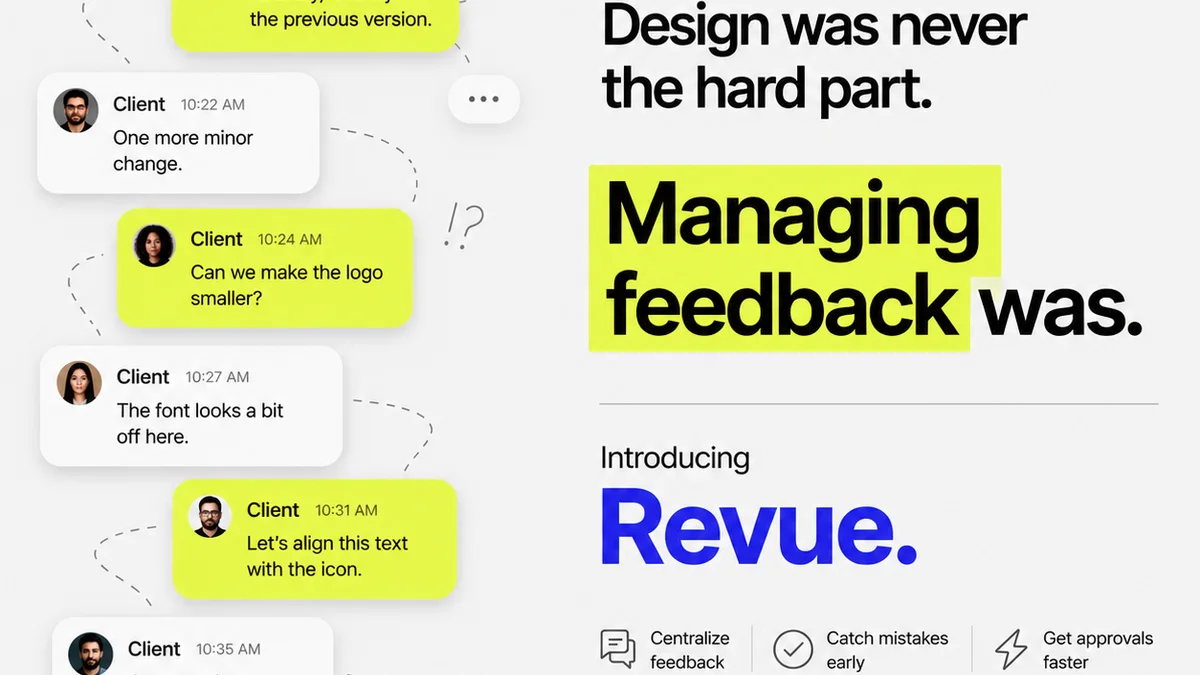
Everyone talks about the creative approval workflow. They blame the creatives for not getting it right the first time. Or the clients for changing their minds constantly. Or the account managers for not translating feedback properly.
None of that is wrong. But it’s incomplete.
The hard truth? Your creative approval workflow is probably broken because you haven’t defined it. Or you defined it, but nobody’s actually following it. And that’s costing you time, money, and sanity.
1. The Myth of the "Good Enough" Creative Approval
The assumption is that if the client eventually signs off, the workflow was fine. That’s like saying a car journey was successful because you eventually arrived, even if you got lost five times, ran out of gas, and argued with your co-pilot.
A good creative approval workflow isn’t about the destination; it’s about the journey. It’s about efficiency, clarity, and minimizing friction at every step.
Think about the last time a project went off the rails. Was it the creative itself? Or was it a cascade of miscommunication, missed deadlines, and endless revision cycles that could have been avoided with a structured process?
The Symptoms of a Dysfunctional Workflow
A broken approval workflow doesn't just cause frustration. It has tangible, negative impacts:
- Missed client deadlines.
- Scope creep disguised as
Frequently asked questions
What is a creative approval workflow?
A creative approval workflow is the defined process by which creative assets (like designs, copy, or videos) are reviewed, revised, and ultimately approved by stakeholders, typically clients or internal decision-makers, before final delivery.
Why is a clear approval workflow important?
A clear workflow ensures everyone understands their role, reduces miscommunication, minimizes costly revisions, speeds up project completion, and improves client satisfaction by managing expectations and providing visibility.
How can I streamline my creative approval process?
Streamlining involves clearly defining roles, setting review timelines, consolidating feedback into single sources, using dedicated tools for feedback and approvals, and establishing clear criteria for sign-off.
What are common mistakes in creative approvals?
Common mistakes include vague feedback, too many stakeholders giving input, lack of a defined process, not setting clear expectations upfront, and relying on scattered communication channels like email chains or chat messages.