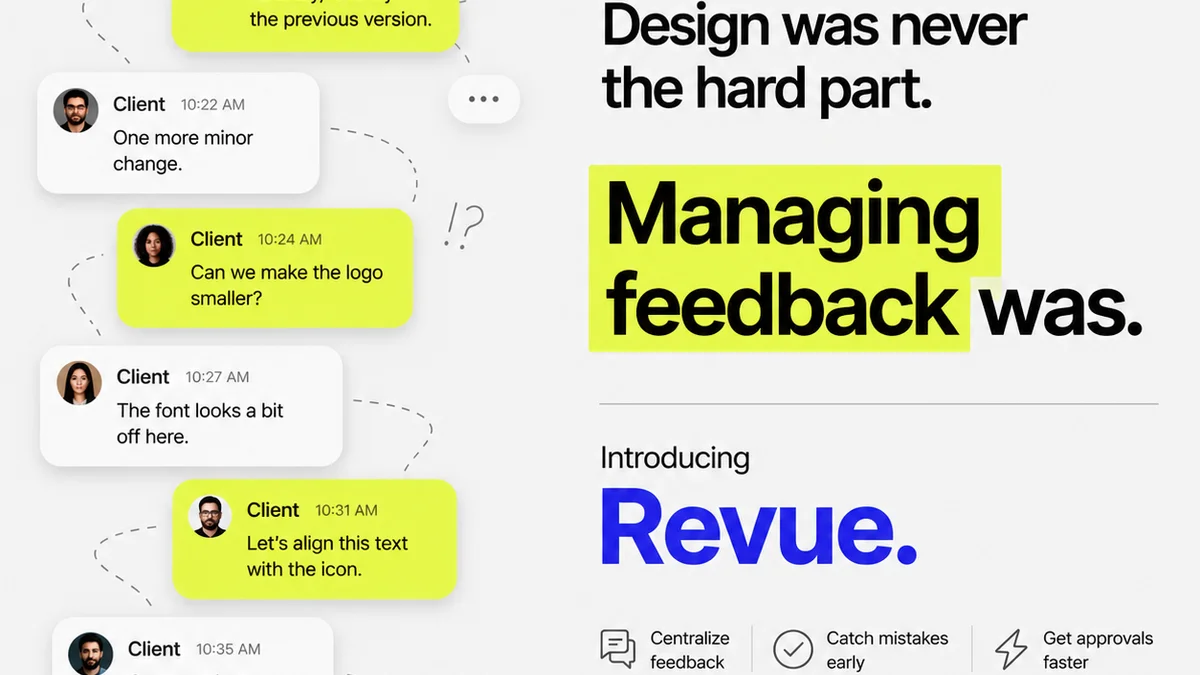
Everyone talks about creative approval workflows. They say it’s about speed. About getting client sign-off faster. About reducing revision cycles. None of that is wrong. But it’s incomplete.
The real truth? A streamlined creative approval workflow isn’t just about *speed*. It’s about *clarity*, *accountability*, and *quality*. It’s the engine that drives good creative work to completion, not just the brake pedal.
1. The Illusion of 'The Final Version'
We’ve all been there. The client says, “This looks great. Ship it.” Then, five minutes later, “Actually, can we just tweak that one thing?”
This isn't a client problem. It’s a workflow problem.
The assumption is that a creative asset reaches a “final” state before client review. In reality, creative work is rarely truly final until it’s live and has served its purpose. The goal of your approval workflow isn’t to achieve an impossible state of perfection, but to manage the *transition* from concept to approved asset efficiently.
The Symptoms of Workflow Chaos
- Endless email chains with conflicting feedback.
Frequently asked questions
What is a creative approval workflow?
A creative approval workflow is the defined process for how creative assets (like designs, copy, or videos) are reviewed, critiqued, and signed off on by stakeholders, typically clients or internal teams, before final delivery or publication.
Why is a clear approval workflow important?
A clear workflow ensures everyone understands their role, reduces ambiguity in feedback, minimizes revision cycles, prevents scope creep, and ultimately leads to faster, higher-quality creative output.
How can I speed up my creative approval process?
Speed comes from clarity. Define clear review stages, set expectations for feedback turnaround times, use a centralized platform for all communication and versions, and ensure the right people are providing feedback at each stage.
What are the common pitfalls in creative approvals?
Common pitfalls include unclear briefs, vague or conflicting feedback, too many stakeholders involved late in the process, relying on scattered communication channels (like email or Slack), and a lack of version control.