Everyone thinks a creative approval workflow is about getting a client to say “yes.” It’s about ticking boxes and moving on to the next project.
None of that is wrong. But it’s incomplete.
The hard truth? A truly effective creative approval workflow is less about the final sign-off and more about the systematic management of feedback, revisions, and quality control that *leads* to that sign-off. It’s the operational engine that keeps your creative agency or in-house team running smoothly, preventing costly delays and client friction.
1. Beyond the 'Approve' Button: Defining Your Workflow
Most creative directors focus on the end goal: client approval. They see the process as a series of steps from brief to final delivery. But they often miss the critical nuances within those steps.
A real creative approval workflow is a structured system. It dictates how feedback is gathered, how revisions are managed, and how quality is assured at every stage. It’s a blueprint for collaboration and communication.
Without this clarity, you’re just reacting. You’re not directing.
The Common Pitfalls
- Unstructured feedback loops.
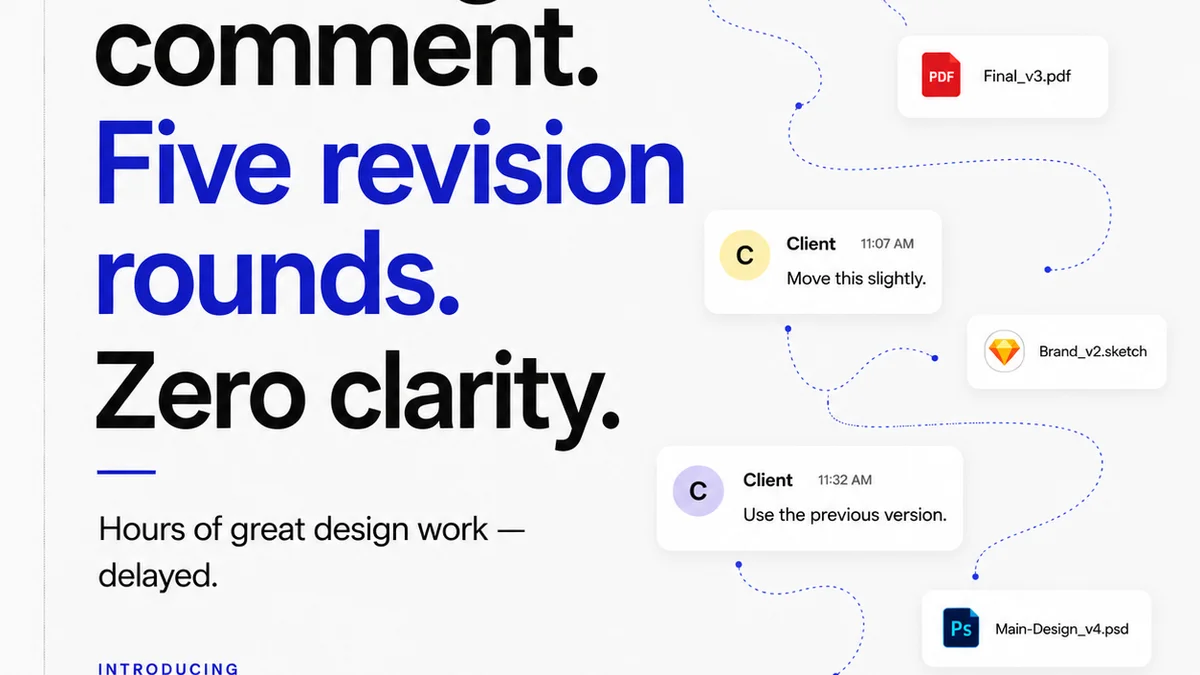
- Endless, unmanaged revisions.
- Lack of clear decision-making authority.
- Misunderstandings about scope and deliverables.
- Missed deadlines due to unclear processes.
This isn't just about project management; it's about mitigating risk and maximizing creative output. It’s the difference between a successful project and a draining one.
2. The Feedback Deluge: Taming the Chaos
Client feedback is essential. It’s how we ensure we’re hitting the mark. But feedback, when unmanaged, can become a monster.
Think about it. How many times have you received a jumbled email with feedback from five different people, mixed with personal opinions and vague instructions?
This is where a structured creative approval workflow shines. It’s not about silencing feedback; it’s about channeling it.
Key Elements for Effective Feedback Management
- Centralized Communication: All feedback should live in one place. No more hunting through email chains or Slack messages.
- Clear Roles and Responsibilities: Who is authorized to give feedback? Who needs to approve? Define this upfront.
- Actionable Feedback Guidelines: Train clients (and your team) on what constitutes useful feedback. Ask for specifics.
- Version Control: Clearly label each iteration of the creative work. This prevents confusion about which version is current.
When feedback is structured, it becomes data. It’s easier to process, easier to act on, and much less likely to derail the project.
3. Revision Cycles: The Art of Iteration, Not Indecision
Revisions are a natural part of the creative process. But they can quickly spiral out of control, consuming time and budget.
A well-defined creative approval workflow puts guardrails around revisions. It acknowledges that iteration is necessary but also that endless tweaking is not sustainable.
Establishing Revision Limits
- Define Scope Upfront: What does the project brief entail? What are the deliverables? Any revision outside this scope should trigger a change order.
- Set Revision Rounds: Agree on a set number of revision rounds (e.g., two rounds of major revisions, one round of minor tweaks).
- Consolidate Feedback: As mentioned, all feedback for a given round should be collected and presented together.
- Prioritize Revisions: Not all feedback is created equal. Help clients understand which changes are critical and which are stylistic preferences.
This isn’t about being difficult; it’s about protecting the project’s timeline, budget, and creative integrity. It ensures that the team is focused on constructive changes, not just busywork.
4. Quality Assurance: The Unsung Hero of Approval
Many creative directors see quality assurance (QA) as a final check, an afterthought before delivery. This is a mistake.
QA should be baked into the creative approval workflow from the start. It’s not just about catching typos; it’s about ensuring the work meets all functional, aesthetic, and strategic requirements.
Integrating QA Throughout
- Internal Reviews: Before any creative is sent to the client, have an internal review by a peer or a senior team member.
- Checklists: Develop comprehensive checklists for different types of projects (e.g., website design, ad campaign, video production). These should cover brand consistency, technical specs, accessibility standards, and more.
- Client Brief Alignment: Regularly check the work against the original brief. Are we still solving the problem we set out to solve?
A robust approval process includes checks for things like contrast ratios for accessibility, a crucial element often overlooked until the final stages. WCAG guidelines offer a solid framework for these checks.
When QA is an ongoing process, the final approval becomes a formality, not a battle.
5. Technology's Role: Streamlining the Creative Approval Workflow
Manual processes for managing feedback, revisions, and approvals are a recipe for disaster. Spreadsheets get outdated, emails get lost, and version control becomes a nightmare.
This is where leveraging the right tools becomes non-negotiable for any serious creative operation.
Modern platforms are designed to bring structure to the chaos. They provide a single source of truth for project assets, feedback, and approval status.
What to Look For in a Workflow Tool
- Centralized Asset Management: Store all project files and versions in one accessible location.
- Integrated Annotation and Feedback: Allow clients and team members to comment directly on creative assets (images, videos, PDFs, web pages).
- Version History and Comparison: Easily track changes and compare different versions of a design.
- Clear Approval Tracking: See who has reviewed, commented, and approved each version.
- Automated Notifications: Keep everyone informed about new feedback, pending approvals, or status changes.
This isn’t about adding complexity; it’s about removing friction. It’s about enabling your team to focus on creativity, not administrative overhead.
Where Revue Fits In
Managing a creative approval workflow effectively requires a system. It needs a central hub where all communication, feedback, and approvals live.
Revue is built for this. It provides a dedicated space for your team and clients to collaborate on creative assets.
- Centralize Feedback: All client comments and internal notes are housed directly on the creative asset. No more digging through emails.
- Manage Revisions Clearly: Track every version of your work, see the feedback that led to each revision, and maintain a clear audit trail.
- Streamline Approvals: Get clear, documented sign-offs from stakeholders, reducing ambiguity and speeding up the process.
- Ensure Quality Checks: Integrate your QA processes by having clear feedback loops and final approval gates before delivery.
By bringing structure to your creative review process, you reduce miscommunication, minimize scope creep, and ensure that your team is always working on the most current and approved version of the asset. It’s about making the entire creative approval workflow more transparent and efficient.
Final Thought
What if the most crucial part of your creative approval workflow isn't the final 'yes,' but the organized, transparent, and efficient system that makes that 'yes' inevitable?
Are you building a robust system, or just chasing approvals?
Frequently asked questions
What are the essential components of a creative approval workflow?
An effective creative approval workflow includes clear brief alignment, centralized feedback collection, defined revision cycles, structured internal and client reviews, quality assurance checks, and a formal sign-off process. It’s a system, not just a single step.
How can I prevent endless revision cycles?
Set clear revision limits (e.g., number of rounds) and scope expectations upfront with the client. Consolidate all feedback for a given round into a single request and prioritize changes based on project goals. Any work outside the agreed scope should trigger a change order.
Why is quality assurance important in the approval process?
Quality assurance (QA) ensures the creative work meets all functional, aesthetic, and strategic requirements before final delivery. Integrating QA throughout the workflow, rather than just at the end, catches errors early, reduces the need for late-stage revisions, and ensures the final output aligns with the brief and brand standards.
How can technology help streamline creative approvals?
Technology, like dedicated workflow platforms, centralizes assets, consolidates feedback directly on creative files, tracks version history, automates notifications, and provides clear approval status. This reduces manual errors, saves time, and improves transparency for all stakeholders.