Everyone’s talking about creative automation. AI will do your design work. AI will write your copy. AI will save you millions.
It’s not wrong. But it’s incomplete.
The real ROI of creative automation isn't found in simply replacing human tasks with software. It’s in the operational efficiencies gained by integrating these tools intelligently into your existing workflows. It’s about streamlining processes, reducing bottlenecks, and ultimately, making your team more effective, not just faster.
1. The Automation Fallacy: Speed vs. Efficiency
The common assumption is that automation equals efficiency, and therefore, higher ROI. You automate a task, it gets done faster, and boom – more profit.
But what if the task being automated was already inefficient? What if it was poorly defined, lacked clear inputs, or was prone to endless revisions?
Automating a broken process just makes it break faster. The real opportunity lies in fixing the process *before* automating it. This means digging into the actual workflow, identifying the choke points, and then strategically applying automation where it has the most impact.
The Bottleneck is Rarely the Task Itself
Think about a typical creative request. It might involve:
- Initial briefing
- Concept development
- Design execution
- Client review 1
- Revisions
- Client review 2
- Final delivery
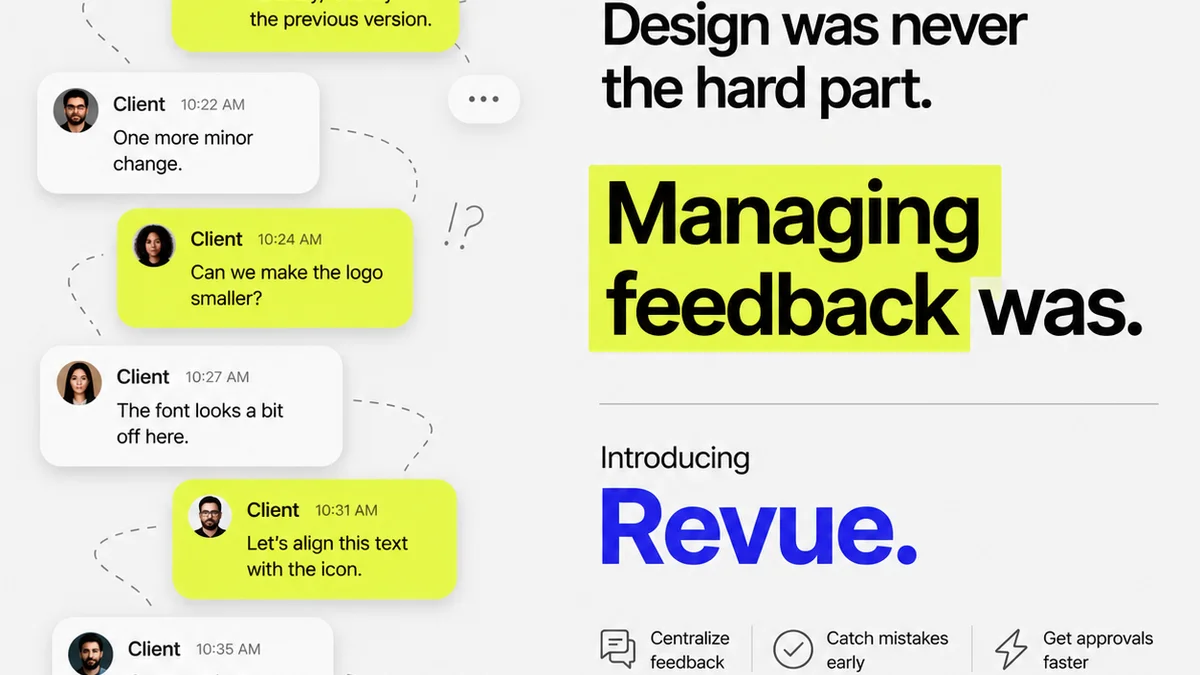
If the design execution takes 8 hours, and client review takes 3 days of back-and-forth, where’s the real delay? It’s almost never in the execution. It’s in the communication, the feedback loops, and the approval cycles.
Focus on the Flow, Not Just the Function
Creative automation tools are powerful. They can generate variations, resize assets, or even draft copy at scale. But if the underlying process is messy, these powerful tools become just another way to churn out slightly-less-bad work, faster.
2. Mapping Your Creative Workflow: The Unseen ROI
You can't automate what you don't understand. The first step to unlocking real ROI from creative automation is a brutally honest assessment of your current workflows.
This isn’t about drawing pretty flowcharts. It’s about mapping every step, every handoff, every decision point, and critically, every delay.
Identify the Hidden Costs
What’s the actual cost of a delayed project? It’s not just the hours spent. It’s:
- Wasted team capacity
- Missed deadlines
- Client dissatisfaction
- Lost future business
- Increased stress and burnout
These are the hidden costs that automation, when applied correctly, can significantly reduce. But you have to see them first.
Where Does Automation Actually Help?
Consider these areas:
- Repetitive Asset Generation: Need 50 variations of a banner ad? Automation excels here.
- Content Personalization: Dynamically inserting client data into templates.
- Workflow Triggering: Automatically notifying the next person when a task is complete.
- Quality Assurance: Automated checks for brand compliance or file format.
The key is that these are *specific, well-defined* tasks within a larger, understood workflow.
3. Integrating Automation: Beyond the Buzzwords
So, you’ve mapped your workflow. You’ve identified the repetitive, time-consuming tasks ripe for automation. Now what?
The temptation is to buy the shiniest new automation tool and plug it in. Resist this urge.
Automation as a Layer, Not a Replacement
Think of automation not as a wholesale replacement for your team, but as a powerful layer that enhances their capabilities. It frees them from the mundane so they can focus on the strategic, the creative, and the client-facing aspects that truly drive value.
For example, an AI copywriter can generate first drafts. But a human editor is still needed to inject brand voice, strategic nuance, and emotional resonance. Automation assists; it doesn't supplant the core creative intelligence.
The Human Element Remains Critical
ROI isn't just about cost savings. It's also about increased output quality and client satisfaction. These are directly tied to the human element.
When your team isn't bogged down with manual tasks, they have more time for:
- Strategic thinking
- Client relationship building
- Creative problem-solving
- Mentoring junior staff
This elevates the entire agency's offering and, by extension, its profitability.
4. Measuring the *Real* ROI of Creative Automation
How do you know if your automation efforts are paying off? It's not just about tracking time saved on a specific task.
You need to look at the broader impact on your business.
Key Metrics to Track
- Project Turnaround Time: Are projects completing faster from brief to final delivery?
- Resource Allocation: Is your team spending more time on high-value strategic work and less on manual tasks?
- Error Rates: Have errors related to repetitive tasks (e.g., incorrect specs, formatting issues) decreased?
- Client Satisfaction Scores: Are clients happier with the speed and quality of delivery?
- Profitability Per Project: Ultimately, are projects becoming more profitable due to increased efficiency and reduced rework?
If your automation tools are helping you move the needle on these metrics, you're on the right track.
Beware of Vanity Metrics
Saving 10 minutes on a task that was never the bottleneck? That’s a vanity metric. Focus on metrics that directly impact your bottom line and client success.
Where Revue Fits In
Creative automation is powerful, but it operates within a larger ecosystem of creative production. Without a clear system for managing feedback, revisions, and approvals, even the most advanced automation can lead to more chaos, not less.
This is where Revue comes in. We provide the operational backbone that makes automation truly effective.
- Centralized Feedback: All client comments and stakeholder input live in one place, eliminating miscommunication and lost feedback. This clarity is essential *before* any automation takes over tasks.
- Revision & Approval Visibility: Track every version, every change, and every approval step. This transparency ensures that automated tasks are building upon a solid, approved foundation, not chasing moving targets.
- Quality Checks: Ensure that final deliverables meet all requirements before they go out the door. Automated checks can catch simple errors, but a clear, managed process ensures strategic alignment.
Revue doesn't replace automation; it amplifies its impact by bringing order and clarity to the entire creative process. It ensures that the efficiency gained through automation is channeled effectively towards successful project completion and client satisfaction.
Final Thought
Creative automation is not a set-it-and-forget-it solution. It's a strategic lever that, when pulled correctly, can significantly boost your agency's ROI.
But the real magic isn't in the technology itself. It's in the thoughtful integration, the process optimization, and the unwavering focus on empowering your human talent.
Are you automating tasks, or are you truly optimizing your creative operations?
Frequently asked questions
What is the biggest misconception about creative automation ROI?
The biggest misconception is that simply automating a task automatically increases ROI. True ROI comes from integrating automation into optimized, well-understood workflows, which streamlines processes and reduces bottlenecks, rather than just speeding up inefficient ones.
How can I identify the best opportunities for creative automation in my agency?
Start by mapping your entire creative workflow in detail. Identify repetitive, time-consuming tasks that have clear inputs and outputs. Look for areas prone to errors or delays, such as asset variation generation, content personalization, or repetitive QA checks. Focus on tasks within a larger, understood process.
Does creative automation replace the need for human creativity?
No, creative automation enhances, rather than replaces, human creativity. It frees up your team from mundane, repetitive tasks, allowing them to focus on strategic thinking, client relationships, and higher-level creative problem-solving. Automation assists; it doesn't supplant the core creative intelligence or strategic oversight.
What are the key metrics to track for creative automation ROI?
Track metrics that reflect broader business impact, such as project turnaround time, resource allocation (more strategic work vs. manual tasks), reduced error rates, improved client satisfaction scores, and ultimately, increased profitability per project. Avoid vanity metrics like time saved on non-critical tasks.