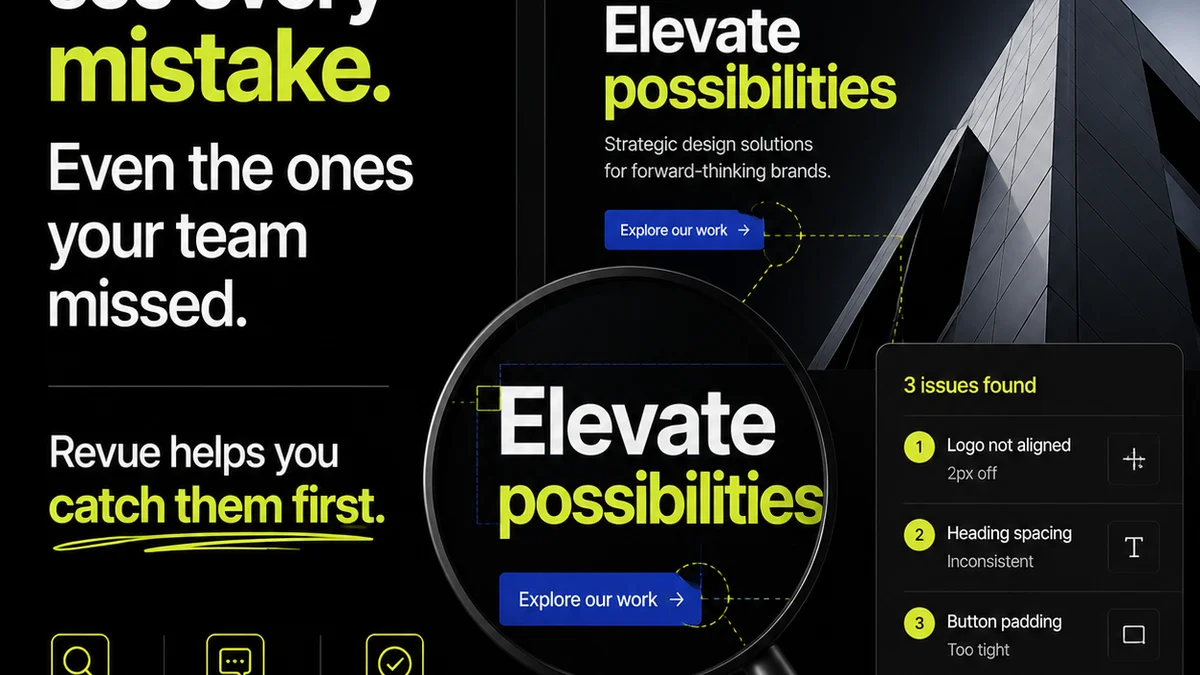
Everyone talks about collaboration. The buzzwords fly: synergy, ideation, cross-pollination. The assumption is that if you put enough creative minds in a room, or on a video call, great things will magically happen.
None of that is wrong. But it’s incomplete.
The real engine of great creative collaboration isn't just proximity or shared enthusiasm. It's structured process, clear communication channels, and tools that actively support, rather than hinder, the creative flow.
1. The Illusion of Spontaneity
We often romanticize the 'aha!' moment. The sudden breakthrough born from casual banter or a whiteboard session. While these moments are real, they’re rarely as spontaneous as they appear.
More often, they are the result of:
- Deep individual preparation.
- A foundation of shared knowledge and goals.
- A safe environment for ideas to be tested and refined.
- Iterative feedback loops.
Relying on 'spontaneity' alone is like expecting a chef to create a Michelin-star meal without a recipe, quality ingredients, or a working stove. It’s a recipe for chaos, not brilliance.
2. The Bottleneck of Ambiguity
Creative work thrives on clarity, not fog. Ambiguity is the enemy of progress.
Where does ambiguity creep in?
- Unclear project briefs.
- Vague client feedback.
- Undefined roles and responsibilities.
- Uncertainty about the revision process.
When team members are guessing what’s wanted, they waste energy on unproductive tangents. This isn't creative exploration; it's inefficient guesswork.
The Cost of Misinterpretation
A single misunderstood comment can send a design team back to square one. Hours of work, lost. Client frustration, mounting.
This isn’t about blame. It’s about system failure. The system didn't provide a clear way to capture, confirm, and act on feedback.
3. The Feedback Loop: Friend or Foe?
Feedback is the lifeblood of creative iteration. But it's also a common point of failure.
Think about the typical feedback cycle:
- A designer sends a draft.
- A client (or internal stakeholder) emails comments.
- The designer tries to decipher the email, perhaps with follow-up calls to clarify.
- Revisions are made.
- The cycle repeats, often with new, contradictory feedback.
This can feel like wading through mud. It's slow, frustrating, and rife with potential for error.
What Makes Feedback Effective?
Effective feedback is:
- Specific: Not
Frequently asked questions
What is the biggest misconception about creative collaboration?
The biggest misconception is that great creative collaboration happens by magic, fueled by 'synergy' or putting talented people in the same room. While those elements help, true collaboration is built on structured processes, clear communication, and effective tools that support iterative work.
How does ambiguity hinder creative projects?
Ambiguity creates confusion and wastes valuable time. When project briefs, feedback, or revision processes are unclear, team members spend energy guessing what's required instead of executing. This leads to rework, frustration, and missed deadlines.
What makes feedback loops inefficient in creative agencies?
Inefficient feedback loops often stem from scattered communication channels (like email chains), vague comments, and a lack of a clear, centralized system for tracking revisions and approvals. This makes it hard to decipher feedback, track changes, and ensure everyone is on the same page.
How can technology improve creative collaboration?
Technology, when applied correctly, can centralize communication, provide clear visibility into project status and feedback, streamline revision and approval workflows, and ensure that all project-related information is easily accessible. This reduces ambiguity and frees up creatives to focus on their work.