Everyone thinks creative compliance is about avoiding trouble. About ticking boxes and staying out of legal’s doghouse.
None of that is wrong. But it’s incomplete.
The hard truth? Creative compliance isn't just a constraint. It’s a blueprint for clarity, consistency, and ultimately, better creative work. When done right, it streamlines your process, not hinders it.
1. Understand the 'Why' Behind the Rules
Too many teams see compliance as arbitrary red tape. They don't dig into the purpose.
Why does this specific regulation exist? What problem is it trying to solve? Is it about consumer protection? Data privacy? Brand integrity? Understanding the root cause makes the rules less of an obstacle and more of a logical framework.
Brand Guidelines as a Foundation
Think about your own brand guidelines. They’re a form of internal compliance, right?
You don't just slap them on a wall and forget them. They guide logo usage, color palettes, tone of voice. They ensure consistency across all touchpoints. External compliance rules often serve a similar, albeit broader, purpose.
Legal is Your Partner, Not Your Adversary
The legal department isn't the enemy. They’re the guardians of the company’s reputation and financial health.
When you approach them with genuine questions and a desire to understand, they can be invaluable. Their job is to interpret complex regulations into actionable guidelines for creative teams.
2. Integrate Compliance Early, Not Late
The biggest mistake? Treating compliance as a final QA step. A quick check before launch.
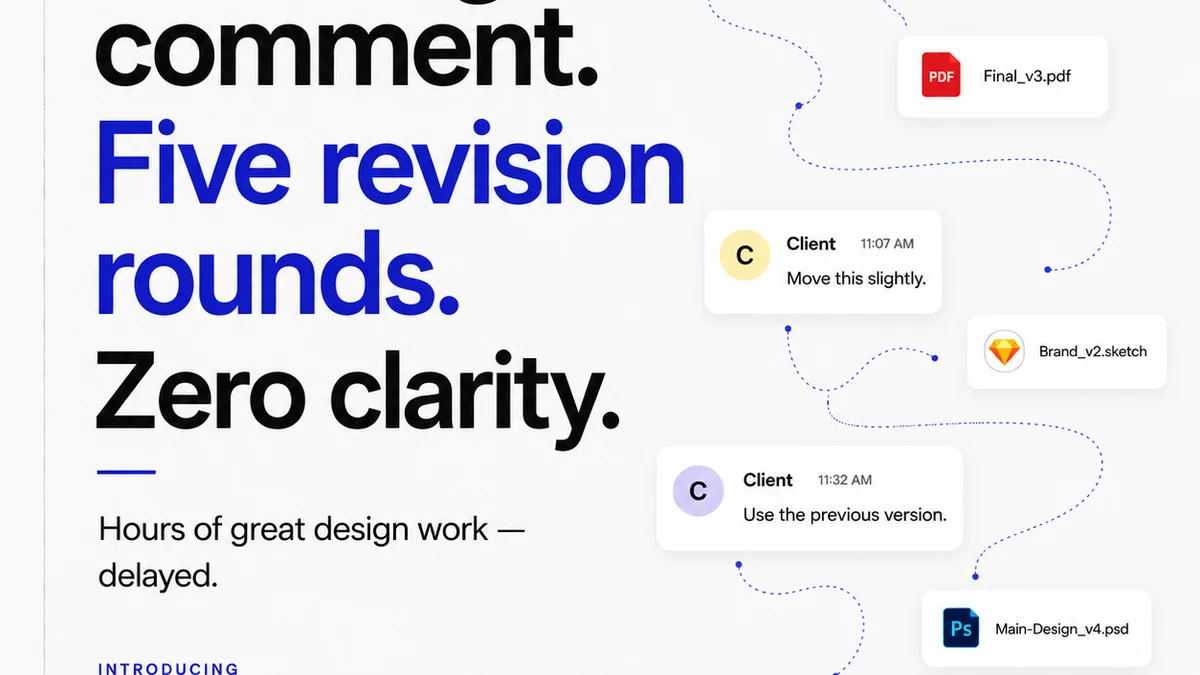
This is where most projects hit snags. You've spent weeks on a campaign, only to find out it violates a key regulation. Now you're scrambling, timelines are blown, and morale plummets.
The Cost of Late-Stage Checks
Consider the ripple effect:
- Extended revision cycles
- Missed launch dates
- Budget overruns
- Strained client relationships
- Damaged internal trust
- Compromised creative quality due to rushed fixes
It’s a mess. And it’s entirely avoidable.
Embed Compliance in the Brief
Start with compliance in mind. Ask the right questions at the briefing stage.
What are the target markets? What are the specific product claims being made? Are there any industry-specific regulations we need to be aware of (e.g., finance, healthcare, alcohol)?
This information should be as crucial as the target audience and key message.
Design for Compliance
This means more than just adding a disclaimer. It means building compliance into the creative concept itself.
If you’re creating a social media campaign for a pharmaceutical product, you know disclaimers will be long. How can you design the visual elements to accommodate that text without looking cluttered? How can the overall message be crafted to be compliant from the start?
3. Develop Clear Internal Processes
Ad-hoc compliance checks lead to chaos. You need a system.
This system should outline who is responsible for what, at which stage of the project.
The Compliance Checklist
Create standardized checklists based on common project types and regulatory requirements.
These aren't just generic to-dos. They should be tailored. For a financial ad, a checklist might include:
- Verification of all financial claims against source data
- Clear and conspicuous disclosure of risks
- Appropriate licensing information displayed
- Adherence to specific advertising standards (e.g., FINRA, SEC)
For a consumer packaged goods campaign, it might involve:
- Accuracy of ingredient lists and nutritional information
- Proper claim substantiation for health benefits
- Compliance with labeling laws (e.g., FDA)
- Age-appropriateness for marketing to children
These checklists act as a safety net.
Defined Roles and Responsibilities
Who reviews the copy for compliance? Who signs off on the final artwork?
Assign clear ownership. This prevents things from falling through the cracks. It could be a dedicated compliance officer, a legal reviewer, or a senior creative lead trained in specific regulations.
The key is that someone *owns* it.
4. Master the Art of the Disclaimer
Disclaimers. The bane of many a creative’s existence. They can kill a design, clutter a layout, and dilute a message.
But they are often non-negotiable.
Placement Matters
Where you put that disclaimer is critical. It needs to be visible and legible.
Don't hide it in the footer of a webpage where no one will see it. Ensure it’s appropriately sized on print materials. For video, consider how it appears on screen and for how long.
Clarity Over Brevity
While creatives strive for conciseness, disclaimers sometimes need to be explicit. Ensure the language is clear and directly addresses the regulatory requirement.
This isn't the place for clever wordplay. It's the place for accuracy.
5. Stay Updated – Regulations Evolve
Compliance isn't a set-it-and-forget-it exercise. Laws change. Guidelines are updated.
Your team needs to be aware of these shifts.
Continuous Learning
Encourage ongoing training. Subscribe to industry updates. Foster a culture where staying informed is part of the job.
This might mean:
- Attending webinars on new advertising standards
- Reading updates from regulatory bodies
- Having regular check-ins with your legal team
- Sharing relevant articles or case studies internally
Proactive awareness prevents reactive panic.
Document Everything
Keep records of your compliance reviews, approvals, and any decisions made. This documentation is your proof of due diligence.
If a question ever arises, you have a clear trail showing you followed the necessary steps.
Where Revue Fits In
Managing creative work and ensuring compliance can feel like juggling chainsaws. Especially when feedback is scattered across emails, Slack messages, and random documents.
Revue helps bring order to that chaos. Our platform centralizes all client feedback, making it visible and actionable. You can track every revision, every approval, and have a clear audit trail.
This means you can:
- Ensure feedback isn't missed, including compliance-related notes.
- See the history of changes and understand the rationale behind them.
- Streamline the approval process, reducing bottlenecks.
- Maintain a clear record of who signed off on what, and when.
When compliance checks are integrated into a clear, visible workflow, they become less of a burden and more of a standard operating procedure.
Final Thought
Is your team treating compliance as a necessary evil, or as a strategic imperative? The difference lies in how you integrate it into your workflow, your mindset, and your understanding of its true purpose. When compliance is baked in from the start, it doesn’t just protect your agency; it elevates the quality and impact of your creative output.
Frequently asked questions
How can I make compliance less of a burden for my creative team?
Integrate compliance checks early in the process, starting with the creative brief. Develop clear internal processes and checklists, and ensure legal is a partner, not an afterthought. Understanding the 'why' behind the rules also helps.
What's the biggest mistake agencies make with creative compliance?
The biggest mistake is treating compliance as a final QA step. This leads to last-minute changes, missed deadlines, and compromised creative. Compliance needs to be considered from the initial concept and brief.
How important is understanding the 'why' behind compliance rules?
It's crucial. When creatives understand the purpose of a regulation (e.g., consumer protection, data privacy), they are more likely to respect and adhere to it. It shifts compliance from an arbitrary rule to a logical framework for better work.
Can a project management tool help with creative compliance?
Yes. Tools like Revue can centralize feedback, track revisions, and provide an audit trail, making it easier to manage and document compliance checks throughout the project lifecycle. This visibility reduces the risk of missed requirements.