Everyone thinks you need more hands on deck to keep creative projects on track. More account managers, more project managers, more producers. That’s the default answer for improving compliance.
And who can blame them?
More people means more eyes on deadlines, more follow-ups, more control. But that’s a growth trap.
It’s not about having more people. It’s about having fewer bottlenecks. And that means ditching outdated workflows for smarter, centralized systems.
The Hard Truth: Your Process Is the Bottleneck, Not Your People
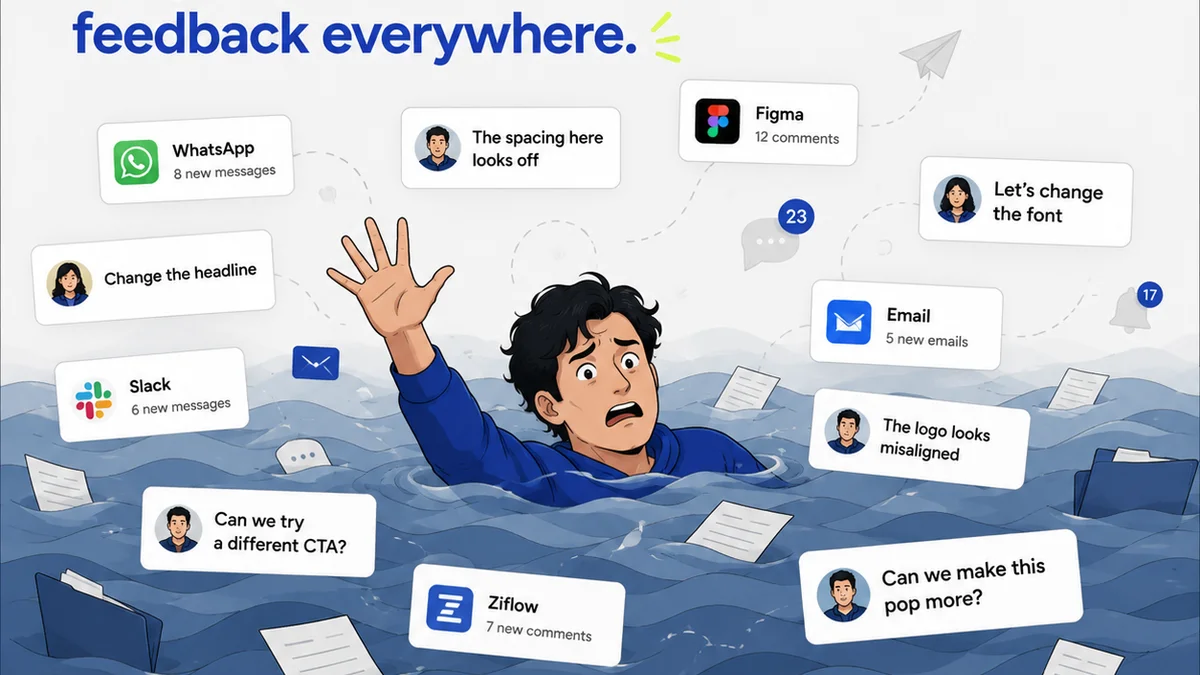
You’re likely drowning in a sea of emails, Slack messages, and random feedback scattered across documents. Your team is chasing down approvals, re-interpreting notes, and struggling to track revisions. Sound familiar?
This chaos isn’t a sign you need more staff. It’s a sign your tools and processes are failing you.
The real way to improve creative compliance—getting work approved faster, with fewer revisions—is to fix your internal workflow. Not hire your way out of it.
1. Centralize Client Feedback: One Source of Truth
Scattered feedback is the enemy of compliance. When notes live in email threads, Slack DMs, or even scribbled on printouts, things get missed. Or worse, misinterpreted.
This isn't just annoying; it’s a compliance risk.
The Symptoms of Scattered Feedback
- Endless email chains trying to reconcile conflicting notes.
Frequently asked questions
What is creative compliance?
Creative compliance refers to the process of ensuring that creative work meets all client requirements, brand guidelines, and project specifications, and is approved efficiently through defined revision and approval stages.
How can I reduce revision rounds without hiring more staff?
Focus on centralizing feedback, establishing clear approval processes, using a dedicated platform for reviews, and ensuring all stakeholders are aligned on project goals and requirements from the outset.
What are the risks of not having centralized feedback?
The risks include missed feedback, misinterpretation of notes, conflicting instructions, scope creep, delays in project timelines, increased costs due to extra revisions, and client dissatisfaction.
Can technology really improve creative compliance?
Yes, technology designed for creative workflows can centralize feedback, streamline approvals, provide clear version history, and automate notifications, all of which significantly improve compliance and efficiency.