Everyone thinks creative compliance is about checking boxes. Legal sign-off, brand guidelines, accessibility standards. Done. Right?
None of that is wrong. But it’s incomplete. Dangerously so.
The hard truth is that true creative compliance isn't a final gate. It's a foundational operating system.
For enterprise teams, this means embedding compliance into every stage of the creative process, not just tacking it on at the end. It's about building a system that prevents issues before they arise, rather than just fixing them after the fact. This isn't about slowing down creativity; it's about making it more robust, reliable, and ultimately, more impactful.
1. The Illusion of Ad-Hoc Compliance
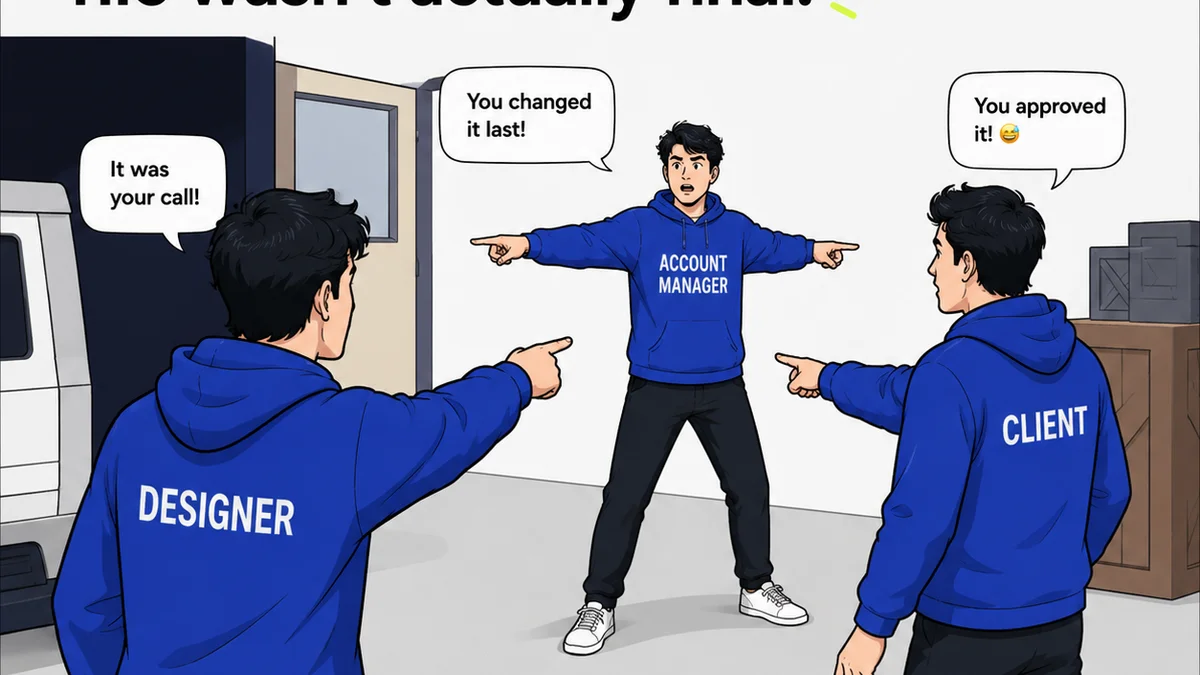
Many large organizations operate on a reactive compliance model. A campaign is developed, then it’s sent to legal, then maybe to brand, then maybe to accessibility experts. Each review is a separate event, a potential bottleneck, and a risk for misinterpretation.
This creates a game of telephone where crucial details get lost. It’s inefficient and prone to error.
Think about it:
- Legal flags a claim that was already approved verbally.
- Brand guidelines are tweaked, and old assets start creeping back in.
- Accessibility requirements are missed on a key piece of collateral.
These aren't isolated incidents. They are symptoms of a broken process.
The assumption is that the right people will catch the right things at the right time. The reality is far messier.
1.1. Siloed Reviewers, Siloed Information
Each compliance department – legal, brand, accessibility, security – operates with its own set of rules, tools, and timelines. They often lack visibility into what other departments have already signed off on, or what the creative team is actually trying to achieve.
This leads to:
- Redundant reviews.
- Conflicting feedback.
- Frustration for the creative team.
- Delayed campaign launches.
The result? Projects get pushed, budgets get strained, and the market opportunity can shrink while you're stuck in review purgatory.
1.2. The
Frequently asked questions
What is creative compliance?
Creative compliance refers to adhering to all relevant legal, regulatory, ethical, and brand guidelines in marketing and creative materials. It ensures that all content is accurate, non-deceptive, and aligns with company standards and external laws.
Why is creative compliance crucial for enterprise teams?
Enterprise teams face higher stakes due to larger budgets, broader reach, and increased regulatory scrutiny. Non-compliance can lead to significant financial penalties, brand damage, legal action, and loss of customer trust.
How can creative compliance be integrated into the workflow?
Integration involves making compliance a proactive part of the creative process, not an afterthought. This includes using standardized templates, clear briefs, automated checks, centralized feedback platforms, and ongoing training for creative and review teams.
What are the common challenges in enterprise creative compliance?
Common challenges include siloed review processes, lack of clear guidelines, inconsistent application of rules, lengthy approval cycles, and the sheer volume of content produced. Keeping up with changing regulations is also a major hurdle.