Everyone thinks creative compliance is about ticking boxes. About checklists and legal reviews. None of that is wrong. But it’s incomplete.
The hard truth is that true creative compliance isn't just about avoiding trouble. It's about building processes and choosing tools that proactively integrate standards into your workflow, ensuring quality and consistency without grinding your creative engine to a halt.
1. The Assumption: Compliance is a Final Step
The most common misconception is that compliance is a gate at the end of the creative process. A final hurdle before launch. You produce the work, then you check it against the rules.
This approach is fundamentally flawed. It treats compliance as an afterthought, a reactive measure. It leads to late-stage revisions, missed deadlines, and unnecessary friction between creative teams and legal or brand guardians.
It’s like building a house and then realizing the plumbing doesn’t meet code. You can’t just slot it in. You have to tear down walls.
The Deeper Truth: Compliance is an Integrated Process
The most successful agencies and in-house teams don’t bolt compliance on. They build it in from the start.
This means understanding brand guidelines, legal requirements, and accessibility standards not as external constraints, but as foundational elements of good design and effective communication.
This integrated approach requires tools that support this mindset. Tools that make it easy to access, reference, and apply compliance rules throughout the creative lifecycle.
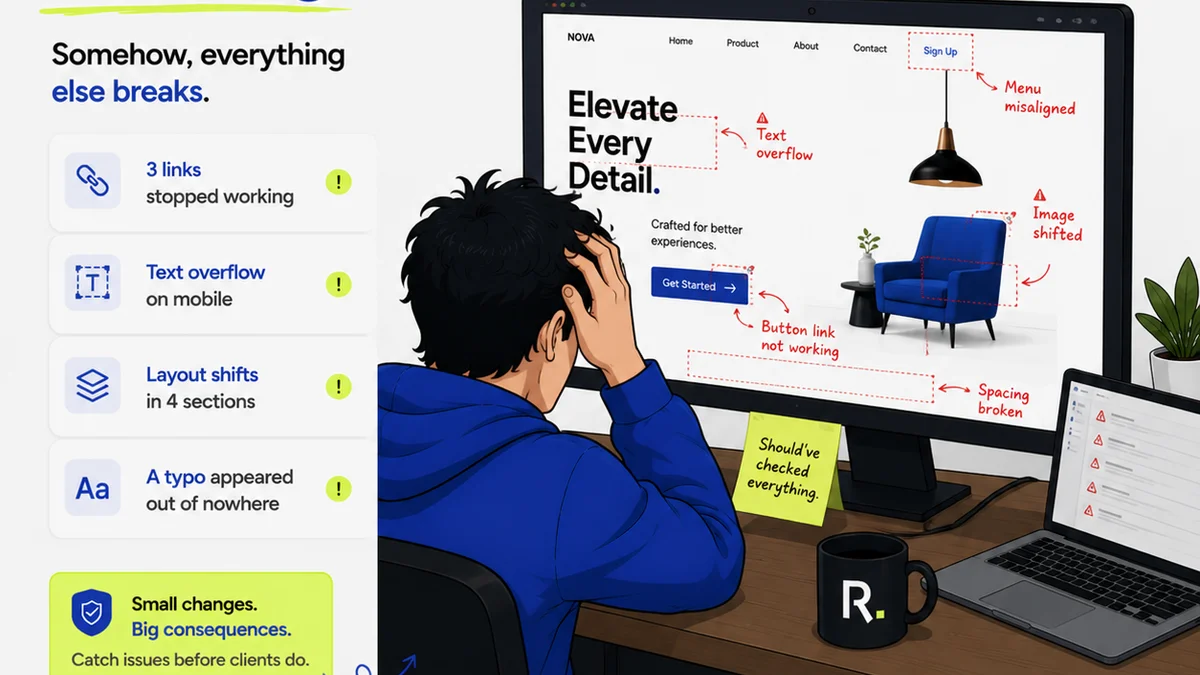
Symptoms of a Disconnected Process
- Constant back-and-forth between creative and legal/brand teams.
- Last-minute changes that derail project timelines.
- Frustration and burnout among creative staff.
- Inconsistent application of brand or regulatory standards across projects.
- Fear of innovation due to perceived compliance risks.
2. Defining Your Compliance Needs
Before you even look at software, you need to know what you’re trying to achieve. What does
Frequently asked questions
What is creative compliance?
Creative compliance refers to ensuring that all creative assets, such as marketing materials, advertisements, and digital content, adhere to relevant legal, regulatory, brand, and ethical standards before publication or distribution.
Why is integrated compliance better than a final check?
Integrated compliance builds standards into the workflow from the start, preventing late-stage issues, reducing revisions, and fostering a proactive approach. A final check often leads to costly delays and rework.
What are the key features to look for in compliance tools?
Look for features like centralized asset management, version control, clear audit trails, automated checks for common errors (like incorrect disclaimers or logo usage), and seamless collaboration capabilities.
How can tools help with accessibility compliance?
Tools can offer features like automated contrast checkers, alt-text reminders, keyboard navigation previews, and compliance reports that help ensure digital content meets standards like WCAG.