Everyone talks about creative compliance as a necessary evil. A set of rules and regulations that stifle innovation and slow down projects. It’s the legal department’s job, right? Just keep the lawyers happy and move on.
None of that is wrong. But it’s incomplete.
The hard truth is that creative compliance is no longer just a box to tick. It’s a dynamic force that’s actively reshaping how agencies and in-house teams operate, how they collaborate with clients, and how they build lasting trust. Ignoring these shifts isn't just lazy; it's a strategic risk.
1. The Rise of AI and Data Ethics
AI is here. It’s drafting copy, generating visuals, and even suggesting campaign strategies. This power comes with significant ethical considerations.
Who owns AI-generated content? What are the implications of using AI trained on potentially biased data? How do we ensure transparency when AI is involved in creative decision-making?
Data Privacy Beyond GDPR
GDPR and CCPA were just the beginning. Consumers are increasingly aware of how their data is collected and used. This extends to the creative assets you build and the platforms you use to deliver them.
Are your client campaigns respecting user privacy at every touchpoint?
- Using first-party data ethically.
- Anonymizing user data where possible.
- Clear opt-in and opt-out mechanisms for marketing communications.
- Being transparent about personalization tactics.
This isn't just about avoiding fines; it's about building genuine customer relationships based on trust.
2. Evolving Accessibility Standards
Accessibility isn't a niche concern anymore. It's a fundamental requirement for inclusive design and broad market reach.
Governments are enacting stricter regulations, and clients are demanding accessible digital products and marketing materials.
Beyond Basic Alt Text
True accessibility goes far beyond adding alt text to images. It involves considering:
- Color contrast ratios for readability.
- Keyboard navigation for users who can't use a mouse.
- Captions and transcripts for video and audio content.
- Clear, logical content structure.
- Usable forms and interactive elements.
Failure to comply can lead to lawsuits, reputational damage, and alienating a significant portion of your audience.
3. Brand Safety in a Hyper-Connected World
Brand safety has always been important, but the digital landscape has amplified the risks.
Misinformation, inappropriate content, and controversial discussions can appear alongside your client’s brand in an instant. This requires proactive monitoring and clear guidelines.
Contextual Relevance is Key
It’s not just about *where* an ad appears, but *how* it appears in context. A creative that’s perfectly innocent in one setting can be problematic in another.
- Developing robust content moderation policies for user-generated content.
- Implementing AI-powered brand safety tools for ad placements.
- Establishing clear communication protocols with media partners.
- Training creative teams on potential contextual pitfalls.
Your client’s reputation is on the line, and your agency is on the front lines.
4. The Shifting Landscape of Influencer Marketing
Influencer marketing is still powerful, but regulatory bodies are cracking down on transparency.
The FTC, ASA, and similar organizations worldwide are demanding clear disclosures for sponsored content.
Disclosure Fatigue is Real
Consumers are bombarded with sponsored posts. Making disclosures clear, conspicuous, and easy to understand is paramount.
- Using clear and unambiguous disclosure language (e.g., #ad, #sponsored).
- Ensuring disclosures are visible before a user engages deeply with content.
- Educating influencers on evolving disclosure requirements.
- Verifying influencer compliance with platform rules and legal standards.
A failure to disclose properly can result in penalties for both the influencer and the brand/agency.
5. Authenticity and Misinformation
In an era of deepfakes and rampant misinformation, clients are increasingly concerned about the authenticity of their brand messaging.
This means ensuring that creative content is truthful, not misleading, and doesn't rely on deceptive practices.
Guardrails for Truth
Creative teams need to be vigilant about:
- Verifying all claims and statistics used in creative.
- Avoiding hyperbole that could be construed as deceptive.
- Ensuring visual content accurately represents reality.
- Understanding the regulations around advertising specific industries (e.g., finance, health).
Authenticity builds trust. Deception erodes it instantly.
Where Revue Fits In
Navigating these compliance trends requires more than just good intentions. It demands robust processes and clear visibility.
Revue helps by centralizing feedback and approvals, ensuring that every stakeholder has a clear view of the creative's journey and the decisions made along the way.
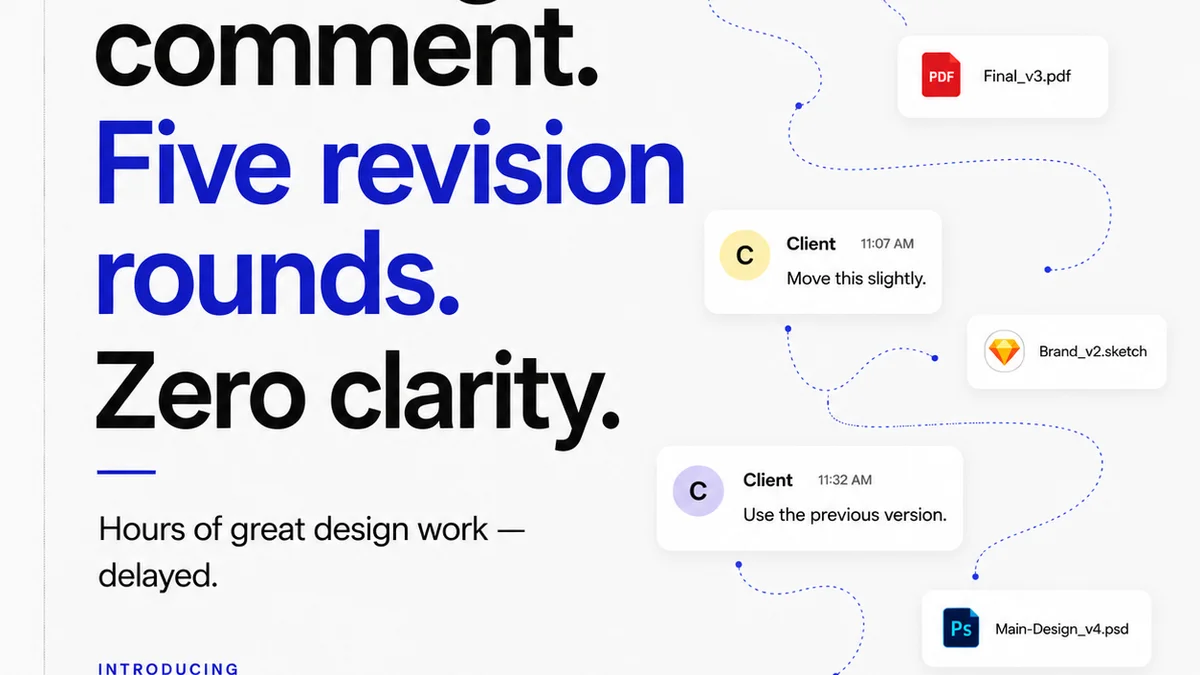
- Centralized Feedback: Keep all client comments, stakeholder approvals, and revision notes in one accessible place. No more hunting through endless email chains or scattered documents.
- Version Control & Audit Trails: Easily track every revision, every approval, and every change. This creates an undeniable record for compliance and accountability.
- Streamlined Approvals: Clearly define approval workflows and get explicit sign-offs, reducing ambiguity and ensuring all compliance checks are met before final delivery.
- Quality Assurance Integration: Build checklists and use annotations to ensure creative assets meet accessibility standards, brand safety guidelines, and other compliance requirements before they go live.
When compliance is baked into your workflow, it’s less of a hurdle and more of a foundation for quality and trust.
Final Thought
The creative landscape is evolving at breakneck speed, driven by technology, consumer expectations, and regulatory pressures. Compliance is no longer an afterthought; it’s a strategic differentiator.
Are you treating compliance as a burden, or as an opportunity to build stronger, more trustworthy client relationships and deliver truly responsible creative work?
Frequently asked questions
What is creative compliance?
Creative compliance refers to ensuring that all creative work adheres to relevant legal, ethical, and industry standards, including advertising regulations, data privacy laws, accessibility guidelines, and brand safety protocols.
How is AI impacting creative compliance?
AI introduces new compliance challenges related to data ethics, ownership of AI-generated content, bias in AI models, and transparency in AI-assisted creative processes.
Why is accessibility important for creative teams?
Accessibility ensures that digital products and content can be used by everyone, including people with disabilities. It's increasingly a legal requirement and essential for inclusive design and reaching a wider audience.
What are the key risks of non-compliance in creative work?
Risks include legal penalties, hefty fines, reputational damage, loss of client trust, exclusion from markets, and potential lawsuits.
How can Revue help with creative compliance?
Revue centralizes feedback and approvals, providing clear audit trails for revisions and sign-offs. This visibility helps ensure that creative work meets compliance standards before final delivery and reduces ambiguity in the process.