Everyone talks about creative governance. They say it’s about brand consistency. About keeping things on-message. About avoiding embarrassing slip-ups.
None of that is wrong. But it’s incomplete.
The hard truth? Creative governance isn’t just a set of rules. It’s an operational system. And like any system, it has friction points. It has bottlenecks. It has points of failure that have nothing to do with brand guidelines and everything to do with human workflow.
Let’s cut through the fluff and talk about the real challenges agencies and in-house teams face, and how to actually solve them.
1. The Illusion of Centralized Control
Many teams assume that having a brand style guide, a digital asset management (DAM) system, or a project management tool automatically means they have governance. They think centralizing assets and processes is the magic bullet.
Here’s the reality: Centralization is a prerequisite, not the solution itself.
A DAM can be a graveyard of outdated logos if nobody enforces usage. A PM tool can become a black hole for feedback if it’s not integrated into the review process. Governance breaks down when the *system* for using these tools is weak, or when human behavior overrides them.
The Symptom: Unsanctioned Variations
You see it everywhere:
- Social media posts using slightly off-brand colors.
- Presentations with old company fonts.
- Campaign assets that look like they came from a different agency.
This isn't usually malicious. It’s often a result of teams working in silos, not having clear access to the *correct* assets, or simply not understanding the 'why' behind a specific guideline.
The Fix: Embed Governance into Workflow, Not Just Tools
Governance needs to be an active part of the creative process, not a passive checkpoint. This means:
- Clear Roles and Responsibilities: Who approves final assets? Who manages the DAM? Who trains new hires on brand standards?
- Accessible, Actionable Guidelines: Don’t just link to a PDF. Embed key do’s and don’ts directly into the templates and brief processes.
- Automated Checks (Where Possible): Can you build basic checks into your design software or review platforms?
- Regular Training and Reinforcement: Brand guidelines aren't static. People leave. Processes change. Keep everyone aligned.
2. The Feedback Loop Black Hole
Client feedback is the lifeblood of creative work. But it’s also a notorious source of confusion and misinterpretation, leading to wasted revisions and scope creep. The assumption is that if feedback is documented, it’s understood and actionable.
The hard truth? Documentation is only half the battle. Clarity, context, and a structured review process are what truly matter.
A single email chain with dozens of replies, a shared Google Doc with hundreds of comments, or even a clunky PM tool can obscure critical feedback, leading to rework that feels like it came out of nowhere.
The Symptom: Endless Revision Cycles
Sound familiar?
- Multiple rounds of revisions on the same element.
- Clients saying, “That’s not what I meant,” after you’ve made changes.
- Designers feeling like they’re chasing a moving target.
- Account managers caught in the middle, trying to decipher conflicting requests.
This isn't just frustrating; it kills profitability. Every wasted hour is billable time lost or budget blown.
The Fix: Structured, Contextualized Feedback
You need a system that brings clarity to the chaos:
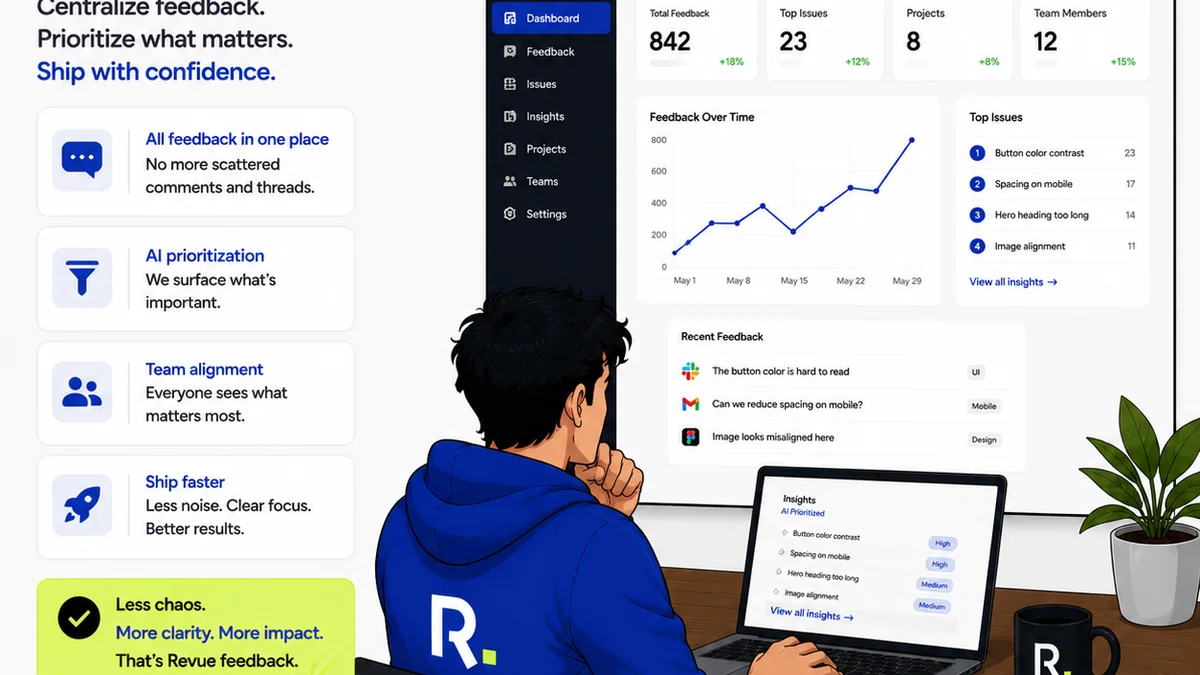
- Centralized Feedback Platform: All comments, annotations, and approvals live in one place, tied directly to the asset being reviewed.
- Visual Annotation: The ability to click directly on a design element and leave a comment is infinitely more precise than vague email text.
- Clear Revision History: Track every change, who requested it, and which version it was applied to. This prevents the “did we already do this?” confusion.
- Defined Approval Stages: Establish clear steps for feedback and approval. Is this a general comment, a major revision, or a final sign-off?
- Client Training (Briefly): A quick walkthrough of your feedback process can save hours down the line.
3. The Unseen Cost of Inefficient Approvals
Approvals are the gatekeepers of progress. The assumption is that once a client gives a thumbs-up, the work is done and can move to the next stage. Simple, right?
Wrong. The real cost lies in the friction *before* and *after* the approval. Missed deadlines, scope creep disguised as
Frequently asked questions
What is creative governance?
Creative governance is the system of processes, guidelines, and tools used to ensure creative output aligns with brand strategy, maintains quality, and achieves business objectives efficiently. It goes beyond just brand style guides to encompass workflow, feedback, and approvals.
Why is creative governance difficult for agencies?
It's difficult because it requires balancing creative freedom with control, managing diverse client expectations, integrating feedback effectively, and ensuring consistency across multiple projects and team members. Often, the operational systems supporting governance are lacking.
How can I improve my team's creative governance?
Focus on embedding governance into your daily workflow, not just creating rules. Centralize feedback and approvals, use visual annotation tools, clarify roles, provide ongoing training, and leverage technology to automate checks and streamline processes.
What's the difference between brand guidelines and creative governance?
Brand guidelines are a component of creative governance, detailing visual and verbal identity. Creative governance is the broader operational framework that ensures these guidelines are applied correctly, manages the creative process, and oversees quality and consistency across all outputs.