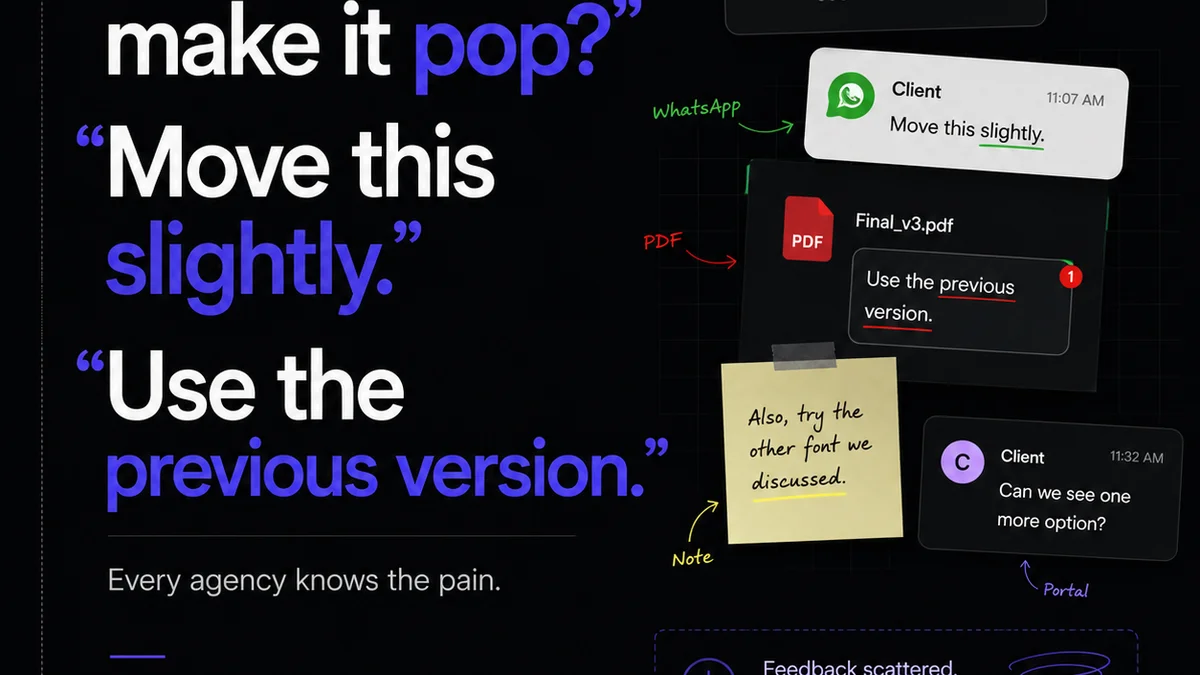
Everyone talks about creative operations. They focus on streamlining workflows, optimizing tools, and hiring the right people. They preach efficiency, speed, and agility.
And none of that is wrong. But it’s incomplete.
The hard truth? You can have the most efficient machine in the world, but without clear rules of engagement, it’s just a Rube Goldberg contraption waiting to break. That missing piece isn't another piece of software or a new process. It's governance.
1. The Illusion of Control Through Process Alone
Creative operations pros live and breathe process. They build elaborate systems to manage projects from brief to final delivery. They map out every step, assign owners, and set deadlines.
This is essential. But it’s not governance.
Process is about how you do things. Governance is about why and by whom, and under what conditions.
The Process Trap
Think about your typical creative workflow. You've got intake forms, project management software, approval rounds, asset delivery checklists. All good stuff.
But what happens when:
- A client insists on a change that derails the entire project strategy?
- A junior designer makes a significant creative decision without senior oversight?
- Brand guidelines are ignored because
Frequently asked questions
What is creative governance?
Creative governance refers to the framework of rules, policies, decision-making processes, and accountability structures that guide the creation, management, and approval of creative work within an organization or for clients.
How is creative governance different from creative operations?
Creative operations focuses on the 'how' – the processes, tools, and workflows for executing creative work efficiently. Creative governance focuses on the 'why,' 'who,' and 'under what conditions' – establishing the strategic direction, decision rights, and accountability for creative output.
Why is creative governance important for agencies?
It ensures brand consistency, strategic alignment, efficient resource allocation, and clear decision-making, which reduces scope creep, minimizes subjective feedback, and improves client satisfaction by managing expectations and outcomes.
What are the key components of a creative governance model?
Key components include clear brand guidelines, defined roles and responsibilities, established approval workflows, risk assessment protocols, decision-making authority levels, and mechanisms for feedback and continuous improvement.